

Coffee creamer, powder, fat free
Common food

Photo: Wikipedia
Fat-free powdered coffee creamer is a shelf-stable, highly processed dairy alternative made primarily from corn syrup solids and hydrogenated vegetable oil. It dissolves instantly into hot or cold beverages, imparting a sweet, creamy, and distinctly artificial vanilla or plain flavor with a slightly chalky texture. Nutritionally, it is essentially pure carbohydrate, delivering 73.4g of sugar per 100g with negligible protein or fiber.
Calorie split: 2% protein · 66% carbs · 32% fat
↓ Full nutrition💚 Why it's loved
People love it for its unparalleled convenience and the consistent, sweet, creamy boost it adds to coffee without the hassle of refrigeration or spoilage. It's a staple in many workplaces and homes for its ability to transform a bitter brew into a smooth, sweet drink instantly.
⚠️ Watch-outs & how to enjoy it better
Its extremely high sugar content (73.4g per 100g) can lead to rapid blood-sugar spikes, making it a poor choice for those managing diabetes or insulin resistance. To counteract this, use a very small portion (1-2 teaspoons), pair it with a source of protein or healthy fat (like nuts or eggs), or switch to a sugar-free version. Some formulations also contain hydrogenated oils (trans fats) and artificial flavors, which may be a concern for those monitoring heart health.
Key benefits
- Shelf-stable and requires no refrigeration
- Provides instant creaminess and sweetness to coffee or tea
- Lactose-free and dairy-free alternative for those with lactose intolerance
- Convenient and portable for travel or office use
- Inexpensive compared to fresh dairy or plant-based milks
🍽️ Popular dishes

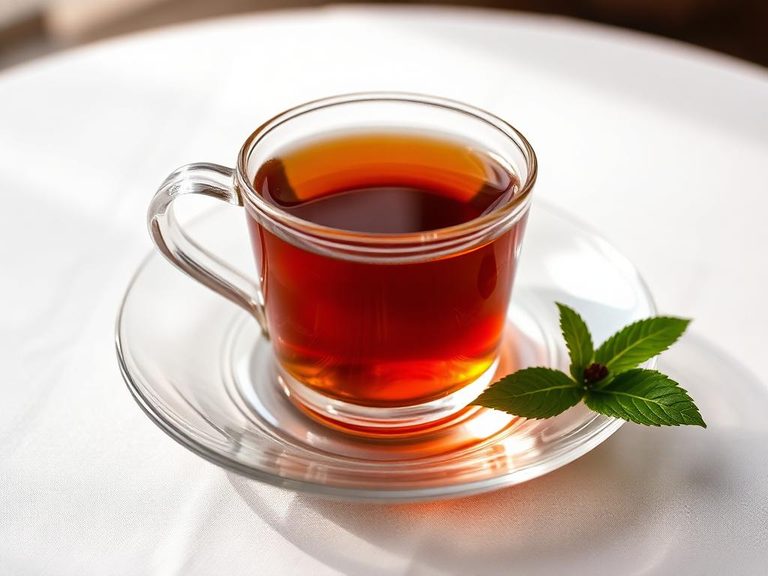

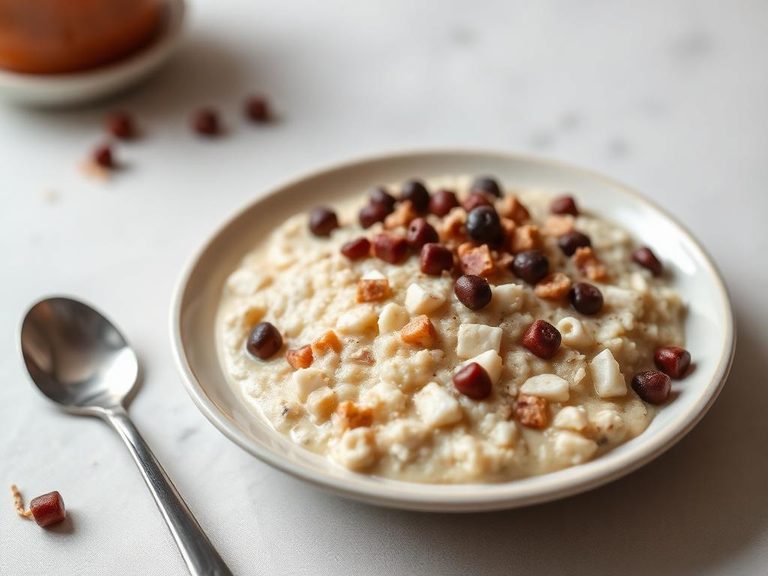
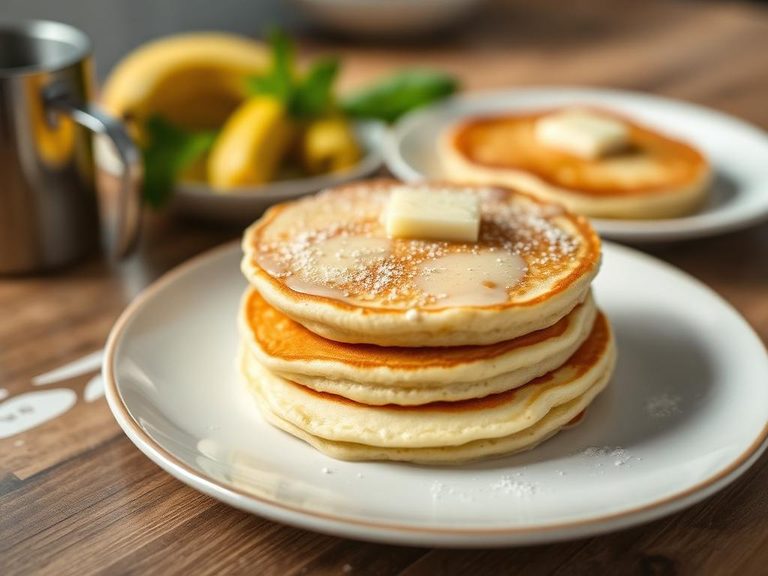
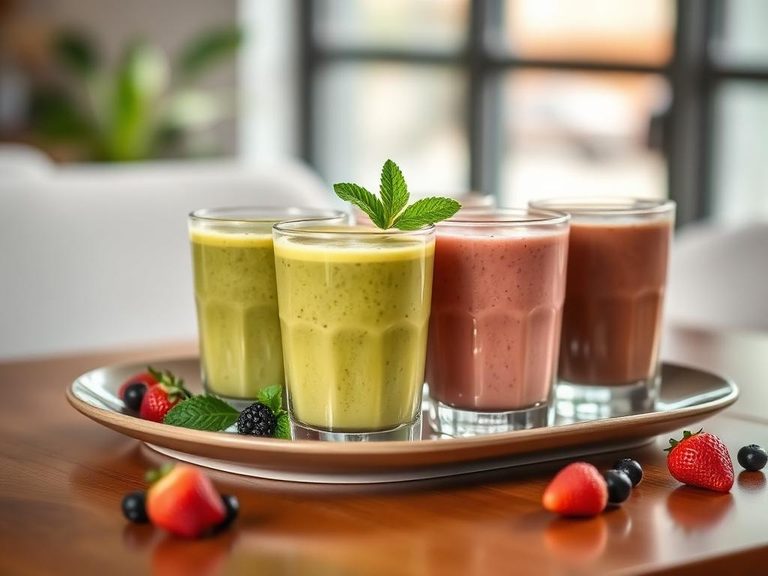
🌍 Where it's eaten
💡 Did you know?
The first powdered non-dairy creamer, 'Coffee-Mate,' was introduced by Nestlé in 1961 and was originally marketed as a 'whitener' to avoid dairy regulations.
Full nutrition (USDA data · scales with serving)
| Water | 6.2 g |
| Energy | 431 kcal |
| Protein | 1.9 g |
| Total lipid (fat) | 15.7 g |
| Carbohydrate, by difference | 73.4 g |
| Fiber, total dietary | 0.00 g |
| Total Sugars | 73.4 g |
| Calcium, Ca | 1.0 mg |
| Iron, Fe | 0.03 mg |
| Magnesium, Mg | 0.00 mg |
| Phosphorus, P | 136 mg |
| Potassium, K | 902 mg |
| Sodium, Na | 229 mg |
| Zinc, Zn | 0.02 mg |
| Copper, Cu | 0.01 mg |
| Selenium, Se | 0.80 ug |
| Vitamin C, total ascorbic acid | 0.00 mg |
| Thiamin | 0.00 mg |
| Riboflavin | 0.00 mg |
| Niacin | 0.00 mg |
| Vitamin B-6 | 0.00 mg |
| Folate, total | 1.0 ug |
| Folic acid | 0.00 ug |
| Folate, food | 1.0 ug |
| Folate, DFE | 1.0 ug |
| Choline, total | 2.3 mg |
| Vitamin B-12 | 0.00 ug |
| Vitamin B-12, added | 0.00 ug |
| Vitamin A, RAE | 1.0 ug |
| Retinol | 0.00 ug |
| Carotene, beta | 9.0 ug |
| Carotene, alpha | 0.00 ug |
| Cryptoxanthin, beta | 0.00 ug |
| Lycopene | 0.00 ug |
| Lutein + zeaxanthin | 0.00 ug |
| Vitamin E (alpha-tocopherol) | 0.26 mg |
| Vitamin E, added | 0.00 mg |
| Vitamin D (D2 + D3) | 0.00 ug |
| Vitamin K (phylloquinone) | 3.9 ug |
| Alcohol, ethyl | 0.00 g |
| Caffeine | 0.00 mg |
| Theobromine | 0.00 mg |
Fat & fatty acid profile (per 100g)
| Fatty acids, total saturated | 3.8 g |
| SFA 4:0 | 0.00 g |
| SFA 6:0 | 0.00 g |
| SFA 8:0 | 0.00 g |
| SFA 10:0 | 0.00 g |
| SFA 12:0 | 0.00 g |
| SFA 14:0 | 0.00 g |
| SFA 16:0 | 1.1 g |
| SFA 18:0 | 2.7 g |
| Fatty acids, total monounsaturated | 11.5 g |
| MUFA 16:1 | 0.00 g |
| MUFA 18:1 | 11.5 g |
| MUFA 20:1 | 0.00 g |
| MUFA 22:1 | 0.00 g |
| Fatty acids, total polyunsaturated | 0.20 g |
| PUFA 18:2 | 0.20 g |
| PUFA 18:3 | 0.00 g |
| PUFA 18:4 | 0.00 g |
| PUFA 20:4 | 0.00 g |
| PUFA 20:5 n-3 (EPA) | 0.00 g |
| PUFA 22:5 n-3 (DPA) | 0.00 g |
| PUFA 22:6 n-3 (DHA) | 0.00 g |
| Cholesterol | 0.00 mg |
FAQ
Is fat-free powdered coffee creamer actually fat-free?
While labeled 'fat-free,' it often contains hydrogenated vegetable oils (like coconut or palm kernel oil) which are processed to be solid at room temperature. The 'fat-free' claim is based on a serving size that contains less than 0.5g of fat, but the product itself is not entirely fat-free.
Why is it so high in sugar?
The primary ingredient is often corn syrup solids, which are a form of sugar. This provides the sweetness and creamy texture, but it also means the product is essentially a concentrated carbohydrate source.
Can I use it in cold drinks?
Yes, it is designed to dissolve in both hot and cold liquids, making it versatile for iced coffee, tea, or even cold cereal.
Is it safe for people with lactose intolerance?
Yes, it is a dairy-free product and is typically safe for those with lactose intolerance, as it contains no milk or lactose.
Nutrient density (calculated · NRF9.3)
Nutrient Rich Foods index: beneficial nutrients (protein, fiber, vitamins, minerals) minus saturated fat, added sugar & sodium, per 100 kcal.
NRF9.3 index — Fulgoni, Keast & Drewnowski, 2009. Computed from USDA nutrients.
Weight-loss friendliness (composite index)
Energy density 4.31 kcal/g · 2% calories from protein · 0.0 g fiber · 73.4 g sugar per 100 g.
Composite of energy density (Rolls et al., 1999), protein & fiber satiety, minus sugar. A calculated heuristic — ranks satiety-per-calorie, not a clinical measure.
Dietary load (calculated from USDA values)
Potential renal acid load. Positive = acid-forming, negative = alkaline-forming.
Sodium-to-potassium ratio: 0.25 (lower is better — aim for ≤ 1)
Sodium:potassium per WHO potassium guidance. Computed from USDA nutrients.