

Coffee creamer, powder
Common food

Photo: Wikipedia
Coffee creamer powder is a shelf-stable, non-dairy alternative to milk or cream, designed to add richness and sweetness to coffee and tea. It typically has a fine, free-flowing texture that dissolves easily, offering a smooth, creamy mouthfeel and a sweet, often vanilla or hazelnut-scented flavor. Nutritionally, it is a concentrated source of carbohydrates and fats, providing a quick energy boost with minimal protein.
Calorie split: 2% protein · 44% carbs · 55% fat
↓ Full nutrition💚 Why it's loved
People love it for its convenience and ability to instantly transform a bitter cup of coffee into a sweet, creamy treat. Its versatility in flavor—from classic French vanilla to pumpkin spice—makes it a beloved staple for personalizing daily rituals.
⚠️ Watch-outs & how to enjoy it better
Its high carbohydrate and fat content, with added sugars, can contribute to blood sugar spikes and empty calories. Those monitoring sugar intake or with corn or soy allergies should be cautious. To counteract, use a measured scoop (about 1 tsp) and pair your coffee with a source of protein (like eggs or yogurt) or fiber to slow sugar absorption.
Key benefits
- Provides a long-lasting, shelf-stable coffee whitener
- Adds instant creaminess and sweetness without refrigeration
- Offers a quick source of energy from carbohydrates and fats
- Available in a wide variety of flavors for customization
- Convenient for travel, offices, and areas with limited fresh dairy
🍽️ Popular dishes

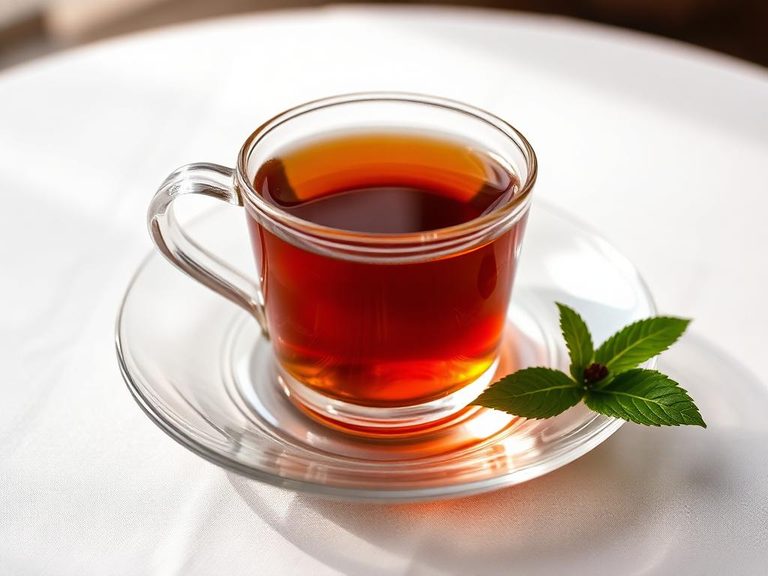
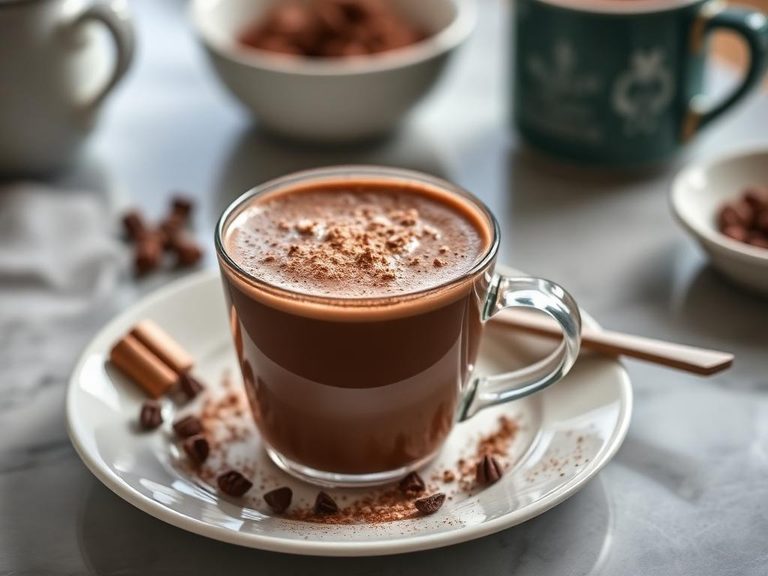
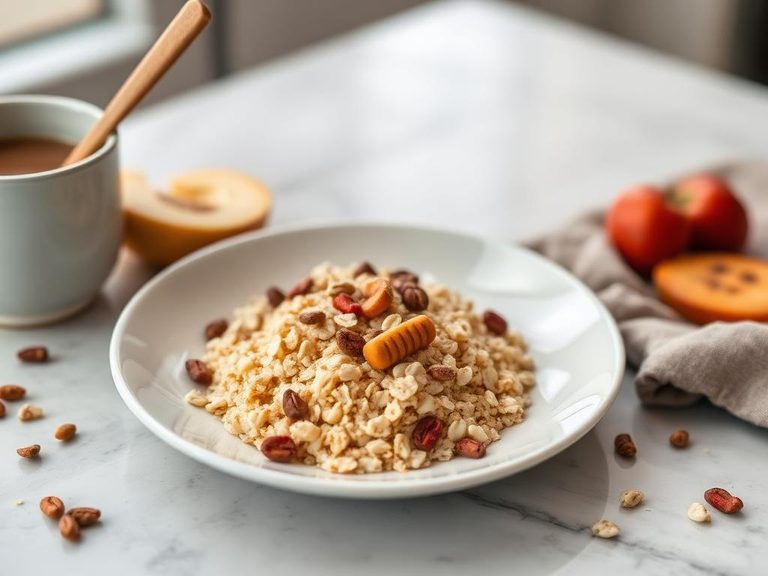
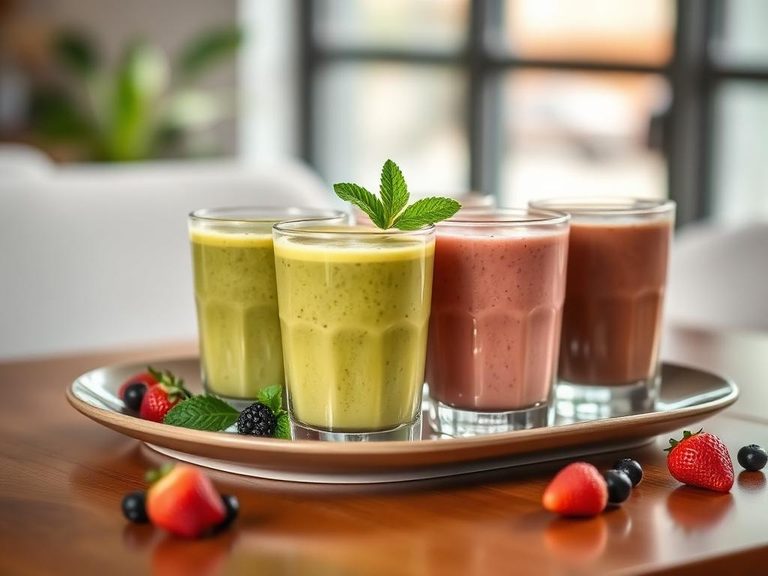
🌍 Where it's eaten
💡 Did you know?
The first powdered non-dairy creamer was invented in 1958 by a Swiss company, not for taste, but because it was less likely to curdle in hot coffee than fresh milk.
Full nutrition (USDA data · scales with serving)
| Water | 3.0 g |
| Energy | 529 kcal |
| Protein | 2.5 g |
| Total lipid (fat) | 32.9 g |
| Carbohydrate, by difference | 59.3 g |
| Fiber, total dietary | 0.00 g |
| Total Sugars | 7.8 g |
| Calcium, Ca | 2.0 mg |
| Iron, Fe | 0.26 mg |
| Magnesium, Mg | 1.0 mg |
| Phosphorus, P | 288 mg |
| Potassium, K | 669 mg |
| Sodium, Na | 124 mg |
| Zinc, Zn | 0.07 mg |
| Copper, Cu | 0.02 mg |
| Selenium, Se | 0.00 ug |
| Vitamin C, total ascorbic acid | 0.00 mg |
| Thiamin | 0.00 mg |
| Riboflavin | 0.00 mg |
| Niacin | 0.00 mg |
| Vitamin B-6 | 0.00 mg |
| Folate, total | 0.00 ug |
| Folic acid | 0.00 ug |
| Folate, food | 0.00 ug |
| Folate, DFE | 0.00 ug |
| Choline, total | 2.3 mg |
| Vitamin B-12 | 0.00 ug |
| Vitamin B-12, added | 0.00 ug |
| Vitamin A, RAE | 0.00 ug |
| Retinol | 0.00 ug |
| Carotene, beta | 0.00 ug |
| Carotene, alpha | 0.00 ug |
| Cryptoxanthin, beta | 0.00 ug |
| Lycopene | 0.00 ug |
| Lutein + zeaxanthin | 0.00 ug |
| Vitamin E (alpha-tocopherol) | 1.3 mg |
| Vitamin E, added | 0.00 mg |
| Vitamin D (D2 + D3) | 0.00 ug |
| Vitamin K (phylloquinone) | 1.7 ug |
| Alcohol, ethyl | 0.00 g |
| Caffeine | 0.00 mg |
| Theobromine | 0.00 mg |
Fat & fatty acid profile (per 100g)
| Fatty acids, total saturated | 19.1 g |
| SFA 4:0 | 0.01 g |
| SFA 6:0 | 0.09 g |
| SFA 8:0 | 1.1 g |
| SFA 10:0 | 0.88 g |
| SFA 12:0 | 6.8 g |
| SFA 14:0 | 2.7 g |
| SFA 16:0 | 3.1 g |
| SFA 18:0 | 4.3 g |
| Fatty acids, total monounsaturated | 9.8 g |
| MUFA 16:1 | 0.01 g |
| MUFA 18:1 | 9.8 g |
| MUFA 20:1 | 0.02 g |
| MUFA 22:1 | 0.00 g |
| Fatty acids, total polyunsaturated | 0.41 g |
| PUFA 18:2 | 0.38 g |
| PUFA 18:3 | 0.03 g |
| PUFA 18:4 | 0.00 g |
| PUFA 20:4 | 0.00 g |
| PUFA 20:5 n-3 (EPA) | 0.00 g |
| PUFA 22:5 n-3 (DPA) | 0.00 g |
| PUFA 22:6 n-3 (DHA) | 0.00 g |
| Cholesterol | 0.00 mg |
FAQ
Is coffee creamer powder the same as powdered milk?
No. Powdered milk is made from dehydrated dairy milk and contains protein and calcium. Coffee creamer powder is typically non-dairy, made from corn syrup solids, hydrogenated oils, and additives, and is designed for flavor and creaminess rather than nutrition.
Why does my coffee creamer powder sometimes clump?
Clumping occurs when moisture gets into the powder. To prevent it, always use a dry spoon, seal the container tightly, and store it in a cool, dry place. Adding the powder to the cup before pouring hot coffee can also help it dissolve smoothly.
Can I use coffee creamer powder in baking?
Yes, it's a common ingredient in baking to add moisture, fat, and flavor to cakes, cookies, and frostings. It can replace some of the sugar and fat in a recipe, but be mindful of the added flavors like vanilla when adjusting your recipe.
Nutrient density (calculated · NRF9.3)
Nutrient Rich Foods index: beneficial nutrients (protein, fiber, vitamins, minerals) minus saturated fat, added sugar & sodium, per 100 kcal.
NRF9.3 index — Fulgoni, Keast & Drewnowski, 2009. Computed from USDA nutrients.
Weight-loss friendliness (composite index)
Energy density 5.29 kcal/g · 2% calories from protein · 0.0 g fiber · 7.8 g sugar per 100 g.
Composite of energy density (Rolls et al., 1999), protein & fiber satiety, minus sugar. A calculated heuristic — ranks satiety-per-calorie, not a clinical measure.
Dietary load (calculated from USDA values)
Potential renal acid load. Positive = acid-forming, negative = alkaline-forming.
Sodium-to-potassium ratio: 0.19 (lower is better — aim for ≤ 1)
Sodium:potassium per WHO potassium guidance. Computed from USDA nutrients.