

Baking recipes
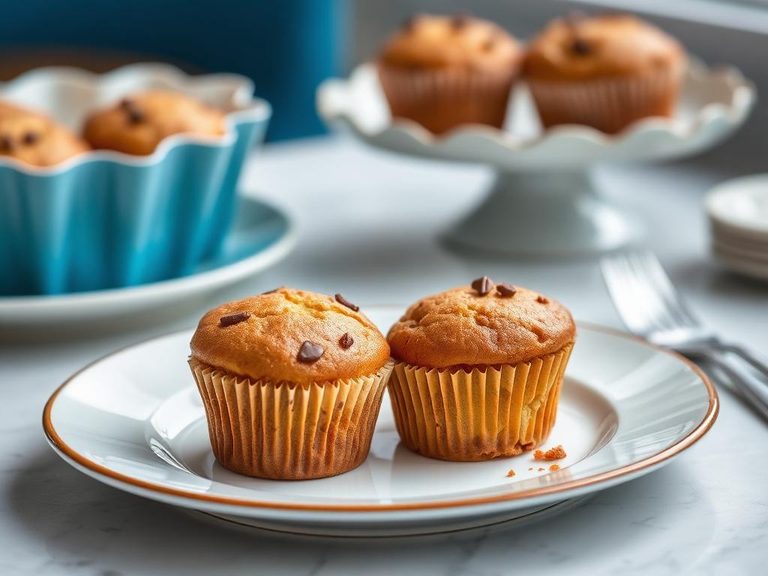
Baking recipes like cakes and muffins are sweet or savory baked goods made from a batter or dough, typically using flour, sugar, eggs, and a leavening agent like baking powder. They originate from various global culinary traditions, with cakes often associated with European and American celebrations, while muffins have roots in English and American quick-bread styles.
🍽️ Nutrition at a glance
These baked goods are generally high in carbohydrates from flour and sugar, with moderate fat from butter or oil, and provide some protein from eggs and dairy. A typical serving can range from 200 to 500 calories, offering nutrients like iron from flour and calcium if dairy is included.
Nutrition breakdown
| Calories | 320 kcal |
| Protein | 4.5 g |
| Carbs | 45 g |
| Fat | 14 g |
| Fiber | 1 g |
| Sugar | 22 g |
| Sodium | 280 mg |
| Calcium | 60 mg |
| Iron | 1.8 mg |
| Potassium | 100 mg |
| Vitamin A | 120 µg RAE |
| Vitamin C | 0 mg |
| Vitamin D | 0.2 µg |
| Vitamin B12 | 0.1 µg |
| Phosphorus | 80 mg |
Per 1 slice (approx. 80 g) · estimated, varies by recipe
💡 What's interesting
Culturally, cakes often symbolize milestones like birthdays and weddings, while muffins are popular as a convenient breakfast or snack food. Nutritionally, they can be adapted with whole grains or fruits to boost fiber and vitamins, making them versatile for both indulgence and healthier options.
🍽️ Related dishes

AI estimate may be inaccurate · Terms