Baking Substitute
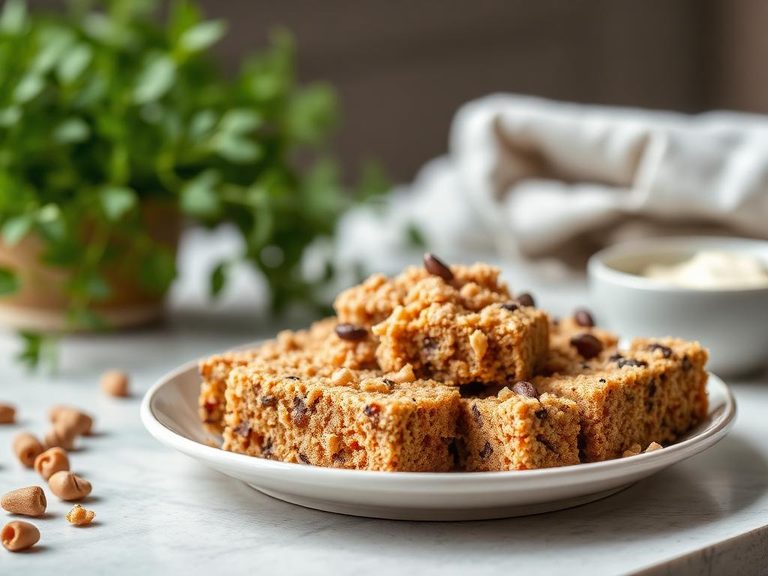
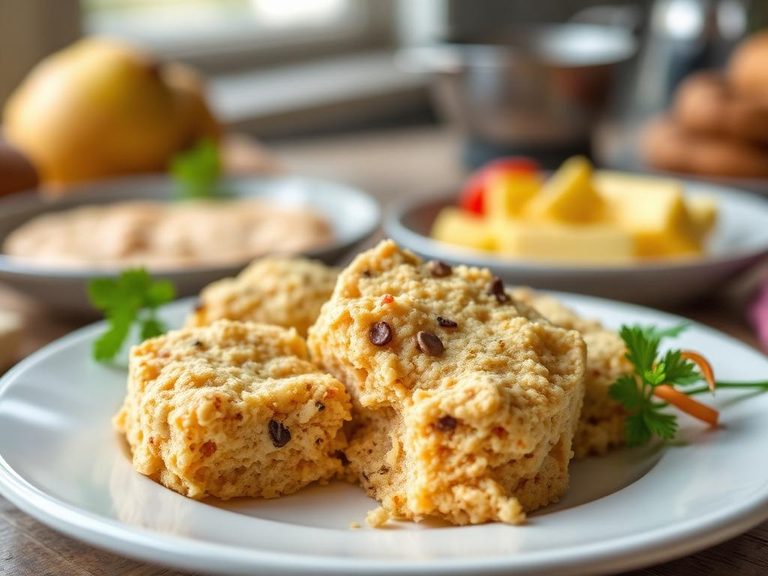
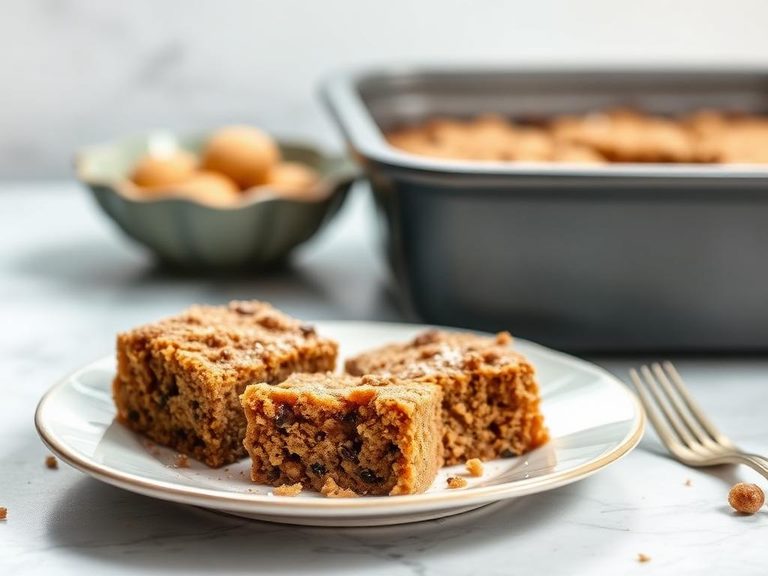
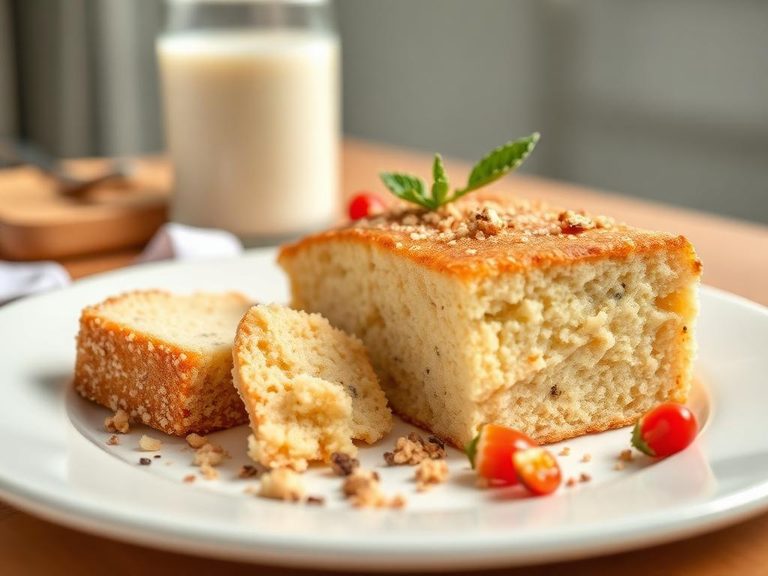
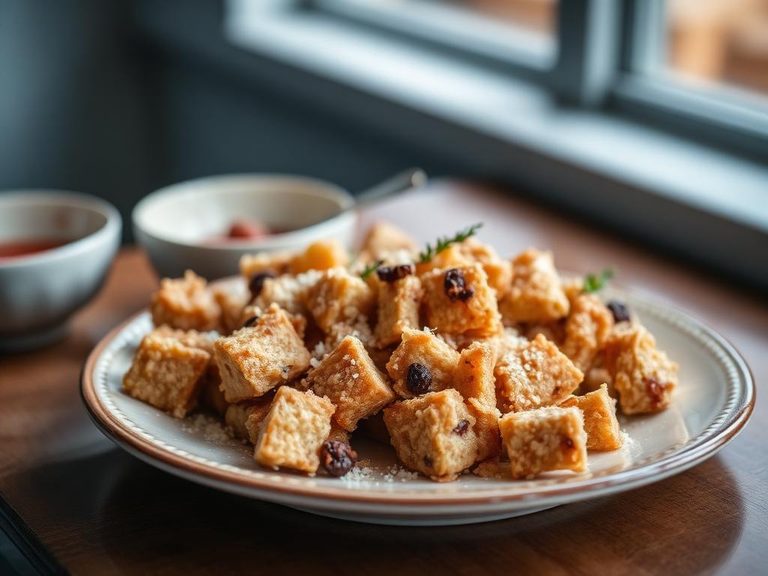
Baking Substitute is a creative, home-style dish often made when traditional baking ingredients are unavailable, typically using mashed bananas, applesauce, or yogurt in place of eggs or fats. It's a flexible concept found in kitchens worldwide, especially in regions where certain ingredients are scarce or for those following specific dietary preferences.
🍽️ Nutrition at a glance
This dish is generally lower in fat and cholesterol compared to traditional baked goods, with a moderate carbohydrate content from fruit or grain bases. It provides key nutrients like potassium and fiber if using banana, and offers a rough ballpark of 150-250 calories per serving, depending on the specific substitute and recipe.
Nutrition breakdown
| Calories | 120 kcal |
| Protein | 3 g |
| Carbs | 22 g |
| Fat | 3 g |
| Fiber | 1 g |
| Sugar | 5 g |
| Sodium | 200 mg |
| Calcium | 300 mg |
| Iron | 2.5 mg |
| Potassium | 150 mg |
| Vitamin D | 2.5 mcg |
| Vitamin A | 150 mcg |
| Vitamin B12 | 1.0 mcg |
| Riboflavin (B2) | 0.4 mg |
| Phosphorus | 200 mg |
Per 1 cup (240 g) · estimated, varies by recipe
💡 What's interesting
Culturally, it reflects a history of resourcefulness and adaptation in home cooking, turning limitations into innovation. Nutritionally, it's unique for often boosting fiber and micronutrients while reducing saturated fat, making it a popular choice in health-conscious and vegan baking circles.