

Clementine, raw
Common food
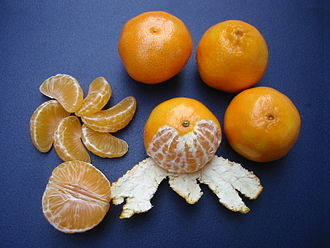
Photo: Wikipedia
The clementine is a small, easy-to-peel citrus fruit with a sweet, juicy, and slightly tangent flavor, offering a bright burst of sunshine in every segment. Its smooth, glossy skin and seedless flesh make it a convenient, mess-free snack. Nutritionally, it's a low-calorie powerhouse, delivering a significant dose of vitamin C and fiber for its size.
Calorie split: 5% protein · 90% carbs · 5% fat
↓ Full nutrition💚 Why it's loved
People adore clementines for their perfectly balanced sweet-tart flavor, satisfying juiciness, and the sheer convenience of their easy-to-peel skin, making them a beloved seasonal treat and lunchbox staple.
⚠️ Watch-outs & how to enjoy it better
While nutritious, clementines are high in natural sugars, which can cause blood-sugar spikes if eaten in large quantities, especially by those managing diabetes. To mitigate this, pair them with a source of protein or fat (like a handful of nuts or yogurt) to slow sugar absorption and practice portion control.
Key benefits
- Excellent source of immune-supporting vitamin C
- Provides dietary fiber for digestive health
- Low in calories and naturally hydrating
- Contains antioxidants like flavonoids
- Convenient, portable, and pre-portioned snack
🍽️ Popular dishes
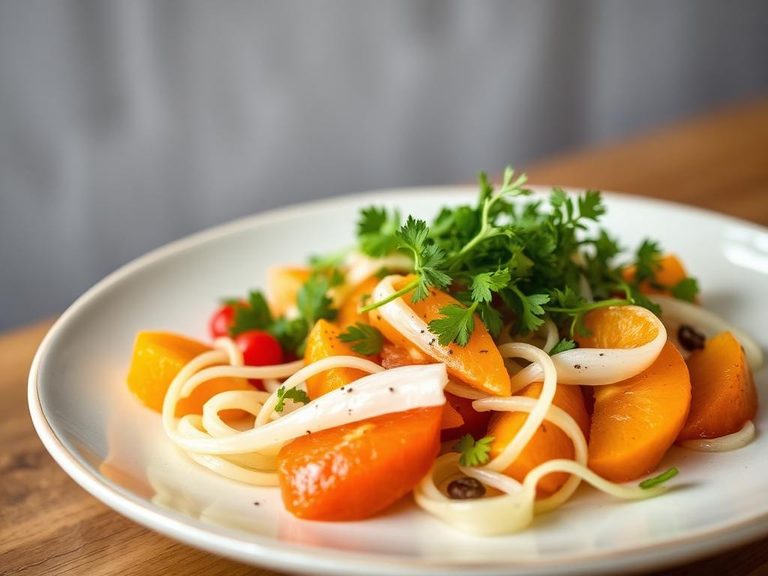

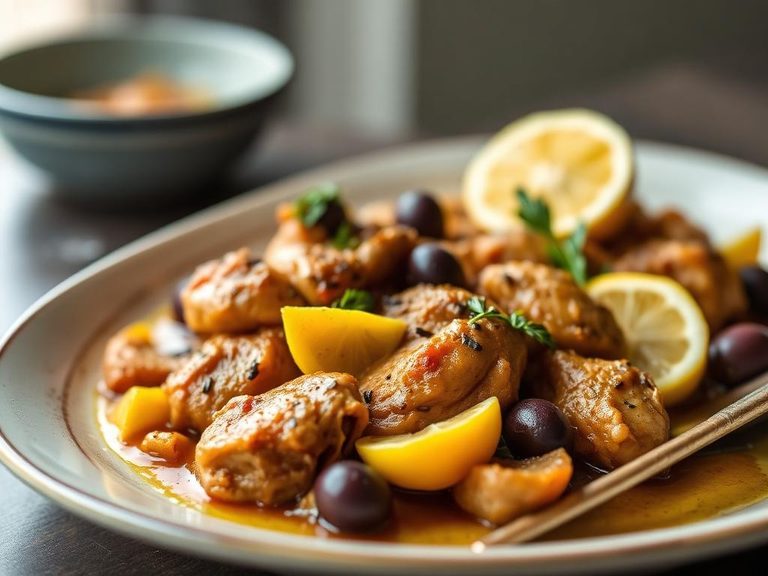

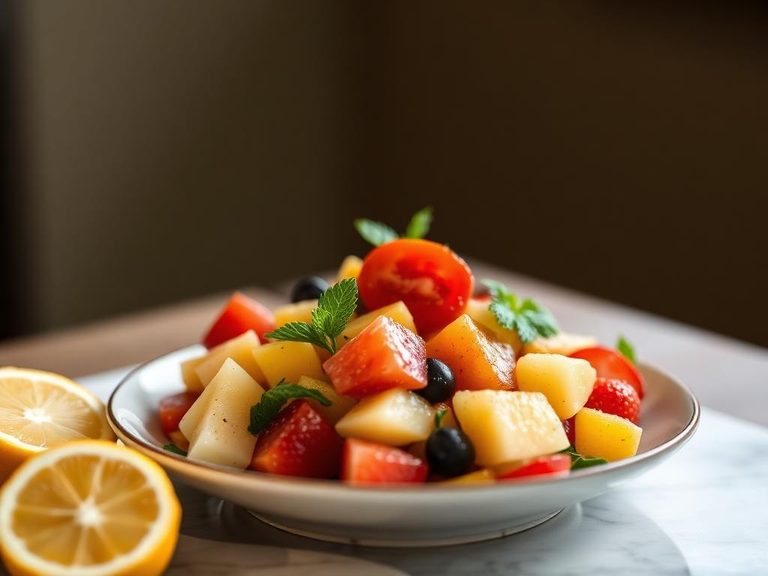
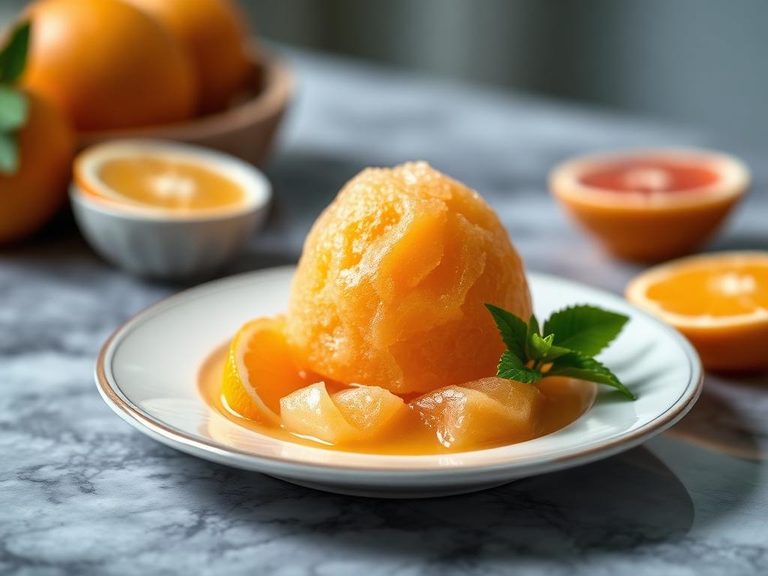
🌍 Where it's eaten
💡 Did you know?
The modern clementine is believed to be a natural hybrid discovered in the late 19th century in the garden of a French missionary, Father Clément Rodier, in Algeria.
Full nutrition (USDA data · scales with serving)
| Water | 85.2 g |
| Energy | 53.0 kcal |
| Protein | 0.81 g |
| Total lipid (fat) | 0.31 g |
| Carbohydrate, by difference | 13.3 g |
| Fiber, total dietary | 1.8 g |
| Total Sugars | 10.6 g |
| Calcium, Ca | 37.0 mg |
| Iron, Fe | 0.15 mg |
| Magnesium, Mg | 12.0 mg |
| Phosphorus, P | 20.0 mg |
| Potassium, K | 166 mg |
| Sodium, Na | 2.0 mg |
| Zinc, Zn | 0.07 mg |
| Copper, Cu | 0.04 mg |
| Selenium, Se | 0.10 ug |
| Vitamin C, total ascorbic acid | 26.7 mg |
| Thiamin | 0.06 mg |
| Riboflavin | 0.04 mg |
| Niacin | 0.38 mg |
| Vitamin B-6 | 0.08 mg |
| Folate, total | 16.0 ug |
| Folic acid | 0.00 ug |
| Folate, food | 16.0 ug |
| Folate, DFE | 16.0 ug |
| Choline, total | 10.2 mg |
| Vitamin B-12 | 0.00 ug |
| Vitamin B-12, added | 0.00 ug |
| Vitamin A, RAE | 34.0 ug |
| Retinol | 0.00 ug |
| Carotene, beta | 155 ug |
| Carotene, alpha | 101 ug |
| Cryptoxanthin, beta | 407 ug |
| Lycopene | 0.00 ug |
| Lutein + zeaxanthin | 138 ug |
| Vitamin E (alpha-tocopherol) | 0.20 mg |
| Vitamin E, added | 0.00 mg |
| Vitamin D (D2 + D3) | 0.00 ug |
| Vitamin K (phylloquinone) | 0.00 ug |
| Alcohol, ethyl | 0.00 g |
| Caffeine | 0.00 mg |
| Theobromine | 0.00 mg |
Fat & fatty acid profile (per 100g)
| Fatty acids, total saturated | 0.04 g |
| SFA 4:0 | 0.00 g |
| SFA 6:0 | 0.00 g |
| SFA 8:0 | 0.00 g |
| SFA 10:0 | 0.00 g |
| SFA 12:0 | 0.00 g |
| SFA 14:0 | 0.00 g |
| SFA 16:0 | 0.04 g |
| SFA 18:0 | 0.00 g |
| Fatty acids, total monounsaturated | 0.06 g |
| MUFA 16:1 | 0.01 g |
| MUFA 18:1 | 0.05 g |
| MUFA 20:1 | 0.00 g |
| MUFA 22:1 | 0.00 g |
| Fatty acids, total polyunsaturated | 0.07 g |
| PUFA 18:2 | 0.05 g |
| PUFA 18:3 | 0.02 g |
| PUFA 18:4 | 0.00 g |
| PUFA 20:4 | 0.00 g |
| PUFA 20:5 n-3 (EPA) | 0.00 g |
| PUFA 22:5 n-3 (DPA) | 0.00 g |
| PUFA 22:6 n-3 (DHA) | 0.00 g |
| Cholesterol | 0.00 mg |
FAQ
What's the difference between a clementine and a mandarin orange?
Clementines are a specific type of mandarin orange, prized for being virtually seedless, having a smoother, glossier skin, and a slightly sweeter, less acidic flavor than other mandarin varieties.
How should I store clementines?
For short-term use (a week), keep them at room temperature. For longer storage (up to 2 weeks), place them in the crisper drawer of your refrigerator to maintain freshness and prevent mold.
Are clementine peels edible?
While not typically eaten raw, clementine peels are edible and packed with fiber and aromatic oils. They can be candied, zested for baking, or used to infuse syrups and cocktails.
Nutrient density (calculated · NRF9.3)
Nutrient Rich Foods index: beneficial nutrients (protein, fiber, vitamins, minerals) minus saturated fat, added sugar & sodium, per 100 kcal.
NRF9.3 index — Fulgoni, Keast & Drewnowski, 2009. Computed from USDA nutrients.
Weight-loss friendliness (composite index)
Energy density 0.53 kcal/g · 6% calories from protein · 1.8 g fiber · 10.6 g sugar per 100 g.
Composite of energy density (Rolls et al., 1999), protein & fiber satiety, minus sugar. A calculated heuristic — ranks satiety-per-calorie, not a clinical measure.
Dietary load (calculated from USDA values)
Potential renal acid load. Positive = acid-forming, negative = alkaline-forming.
Sodium-to-potassium ratio: 0.01 (lower is better — aim for ≤ 1)
Sodium:potassium per WHO potassium guidance. Computed from USDA nutrients.