

Classic mixed vegetables, NS as to form, cooked
Common food
Classic mixed vegetables are a colorful medley of staples like carrots, peas, corn, and green beans, typically sold frozen and then steamed or sautéed. They offer a tender-crisp texture and a sweet, earthy, and mildly savory flavor profile. Nutritionally, they provide a good source of fiber and vitamins with a relatively low calorie count.
Calorie split: 13% protein · 59% carbs · 28% fat
↓ Full nutrition💚 Why it's loved
People love this mix for its sheer convenience and vibrant color, which can brighten up any plate in minutes. It's a versatile canvas that absorbs sauces and seasonings well, making it a reliable staple for quick weeknight dinners.
⚠️ Watch-outs & how to enjoy it better
The texture can become mushy if overcooked, and some frozen mixes contain added sodium or sauces. To counteract this, opt for plain frozen varieties, cook until just tender-crisp, and season at home with herbs, spices, and a squeeze of lemon or a pat of butter.
Key benefits
- High in dietary fiber for digestive health
- Rich in vitamins A and C from carrots and peas
- Low in calories, making it a volume-friendly side
- Provides plant-based protein from legumes like peas
- Convenient and reduces food waste with a long freezer life
🍽️ Popular dishes
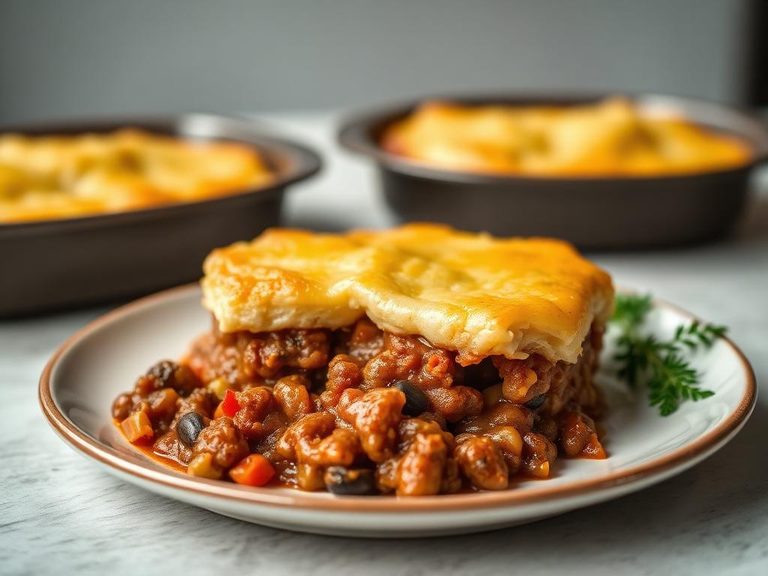

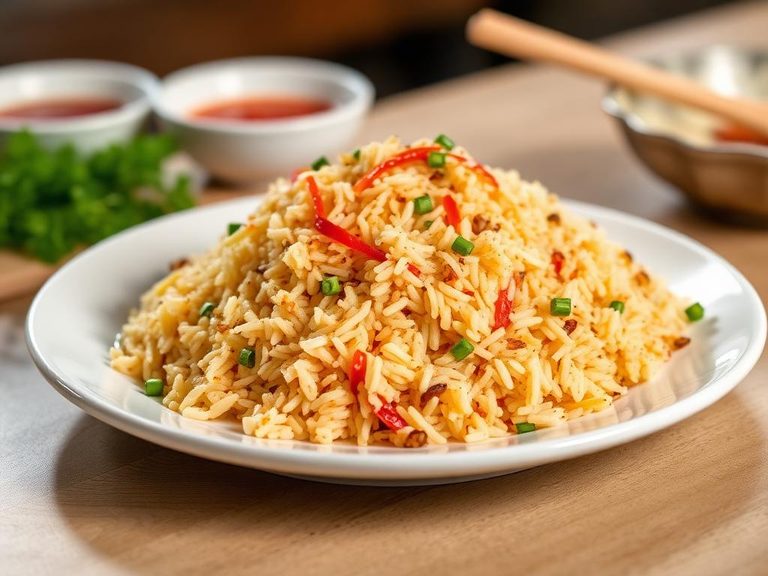
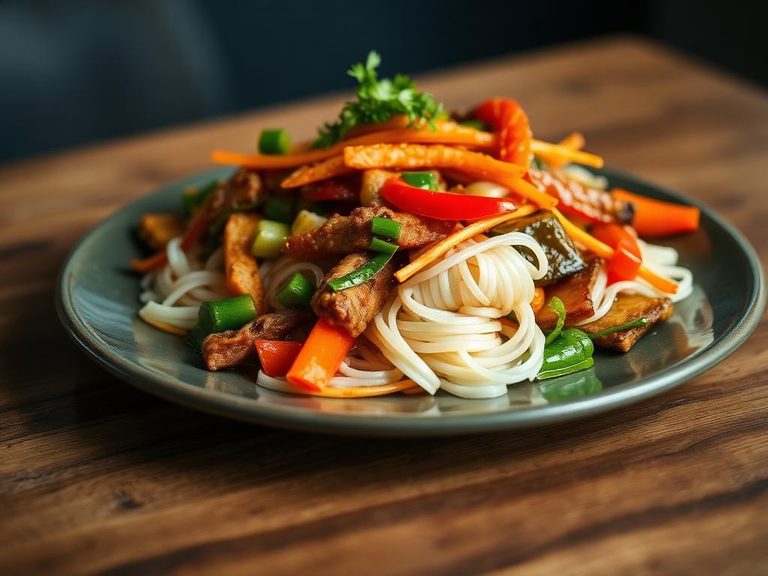

🌍 Where it's eaten
💡 Did you know?
The 'mixed vegetable' blend found in many U.S. frozen food aisles was popularized in the 1940s as a convenient way to provide soldiers and civilians with essential nutrients during wartime rationing.
Full nutrition (USDA data · scales with serving)
| Water | 80.9 g |
| Energy | 86.0 kcal |
| Protein | 2.8 g |
| Total lipid (fat) | 2.7 g |
| Carbohydrate, by difference | 12.7 g |
| Fiber, total dietary | 4.3 g |
| Total Sugars | 3.0 g |
| Calcium, Ca | 25.0 mg |
| Iron, Fe | 0.80 mg |
| Magnesium, Mg | 21.0 mg |
| Phosphorus, P | 50.0 mg |
| Potassium, K | 164 mg |
| Sodium, Na | 155 mg |
| Zinc, Zn | 0.48 mg |
| Copper, Cu | 0.08 mg |
| Selenium, Se | 0.30 ug |
| Vitamin C, total ascorbic acid | 3.1 mg |
| Thiamin | 0.07 mg |
| Riboflavin | 0.12 mg |
| Niacin | 0.82 mg |
| Vitamin B-6 | 0.09 mg |
| Folate, total | 18.0 ug |
| Folic acid | 0.00 ug |
| Folate, food | 18.0 ug |
| Folate, DFE | 18.0 ug |
| Choline, total | 23.6 mg |
| Vitamin B-12 | 0.00 ug |
| Vitamin B-12, added | 0.00 ug |
| Vitamin A, RAE | 219 ug |
| Retinol | 11.0 ug |
| Carotene, beta | 2020 ug |
| Carotene, alpha | 937 ug |
| Cryptoxanthin, beta | 0.00 ug |
| Lycopene | 0.00 ug |
| Lutein + zeaxanthin | 617 ug |
| Vitamin E (alpha-tocopherol) | 0.75 mg |
| Vitamin E, added | 0.00 mg |
| Vitamin D (D2 + D3) | 0.00 ug |
| Vitamin K (phylloquinone) | 24.8 ug |
| Alcohol, ethyl | 0.00 g |
| Caffeine | 0.00 mg |
| Theobromine | 0.00 mg |
Fat & fatty acid profile (per 100g)
| Fatty acids, total saturated | 0.70 g |
| SFA 4:0 | 0.02 g |
| SFA 6:0 | 0.01 g |
| SFA 8:0 | 0.01 g |
| SFA 10:0 | 0.02 g |
| SFA 12:0 | 0.02 g |
| SFA 14:0 | 0.06 g |
| SFA 16:0 | 0.39 g |
| SFA 18:0 | 0.14 g |
| Fatty acids, total monounsaturated | 0.91 g |
| MUFA 16:1 | 0.01 g |
| MUFA 18:1 | 0.88 g |
| MUFA 20:1 | 0.01 g |
| MUFA 22:1 | 0.00 g |
| Fatty acids, total polyunsaturated | 0.80 g |
| PUFA 18:2 | 0.70 g |
| PUFA 18:3 | 0.10 g |
| PUFA 18:4 | 0.00 g |
| PUFA 20:4 | 0.00 g |
| PUFA 20:5 n-3 (EPA) | 0.00 g |
| PUFA 22:5 n-3 (DPA) | 0.00 g |
| PUFA 22:6 n-3 (DHA) | 0.00 g |
| Cholesterol | 2.0 mg |
FAQ
Are frozen mixed vegetables as nutritious as fresh?
Often, yes. They are typically flash-frozen at peak ripeness, which can lock in nutrients better than fresh vegetables that have traveled long distances and sat on shelves.
How can I prevent mixed vegetables from getting soggy?
Cook them using a quick method like stir-frying or steaming, and avoid boiling them in excess water. Add them to the pan last if combining with other ingredients.
What is the best way to season them?
A simple sauté with garlic and onion, a splash of soy sauce or balsamic vinegar, or a sprinkle of herbs like thyme or rosemary works wonderfully. A little fat (butter, olive oil) helps carry the flavors.
Nutrient density (calculated · NRF9.3)
Nutrient Rich Foods index: beneficial nutrients (protein, fiber, vitamins, minerals) minus saturated fat, added sugar & sodium, per 100 kcal.
NRF9.3 index — Fulgoni, Keast & Drewnowski, 2009. Computed from USDA nutrients.
Weight-loss friendliness (composite index)
Energy density 0.86 kcal/g · 13% calories from protein · 4.3 g fiber · 3.0 g sugar per 100 g.
Composite of energy density (Rolls et al., 1999), protein & fiber satiety, minus sugar. A calculated heuristic — ranks satiety-per-calorie, not a clinical measure.
Dietary load (calculated from USDA values)
Potential renal acid load. Positive = acid-forming, negative = alkaline-forming.
Sodium-to-potassium ratio: 0.95 (lower is better — aim for ≤ 1)
Sodium:potassium per WHO potassium guidance. Computed from USDA nutrients.