

Classic mixed vegetables, frozen, cooked with oil
Common food
A vibrant medley of carrots, peas, corn, and green beans, flash-frozen at peak ripeness and sautéed in a touch of oil. The vegetables retain a satisfying, crisp-tender bite with a natural, garden-fresh sweetness. It's a nutritionally balanced side, offering a good source of fiber and vitamins with a low calorie count.
Calorie split: 12% protein · 57% carbs · 31% fat
↓ Full nutrition💚 Why it's loved
People love it for its incredible convenience and consistent quality, delivering a taste of summer vegetables any time of year. It's a versatile, time-saving staple that can be the base for countless quick meals.
⚠️ Watch-outs & how to enjoy it better
The cooking oil adds some fat and calories, and some brands may include added salt or sauces high in sodium. For those monitoring blood sugar, the starchy corn and peas can cause a moderate spike. Counteract this by pairing with a lean protein like chicken or fish, choosing low-sodium varieties, and practicing portion control.
Key benefits
- Excellent source of dietary fiber for digestive health
- Provides essential vitamins like A, C, and K
- Low in calories, making it suitable for weight management
- Convenient way to increase daily vegetable intake
- Contains antioxidants from a variety of colorful vegetables
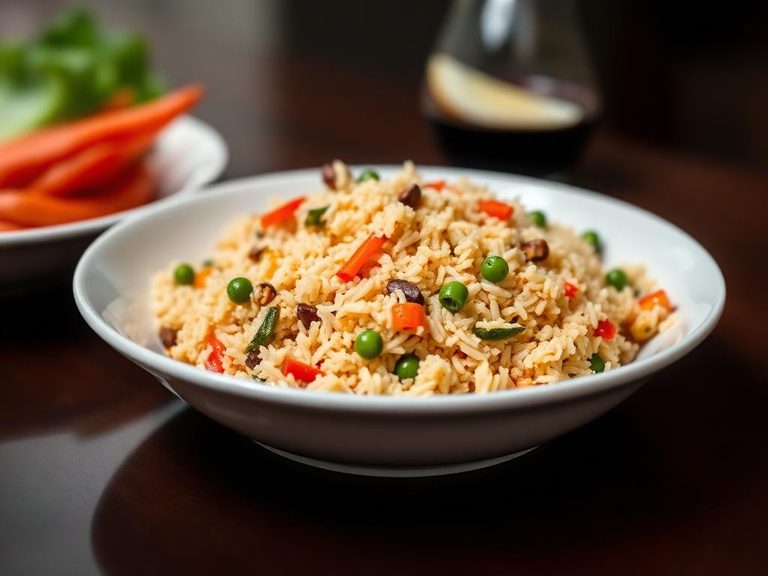
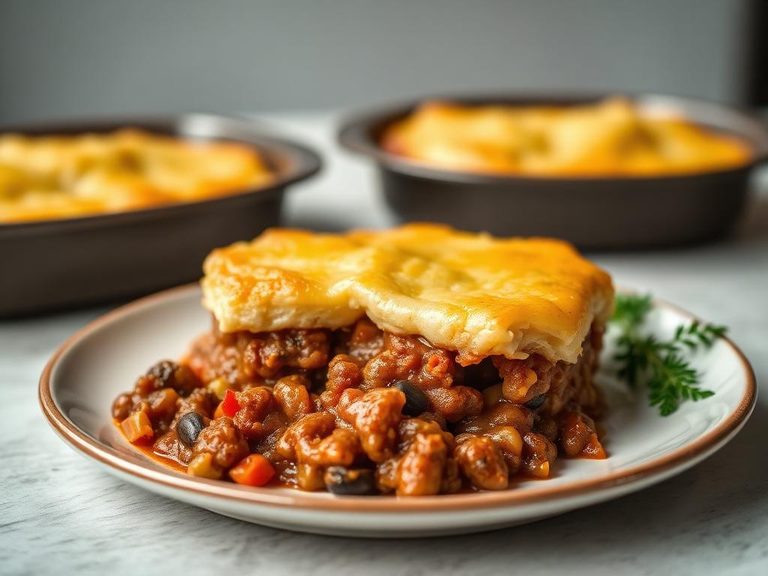
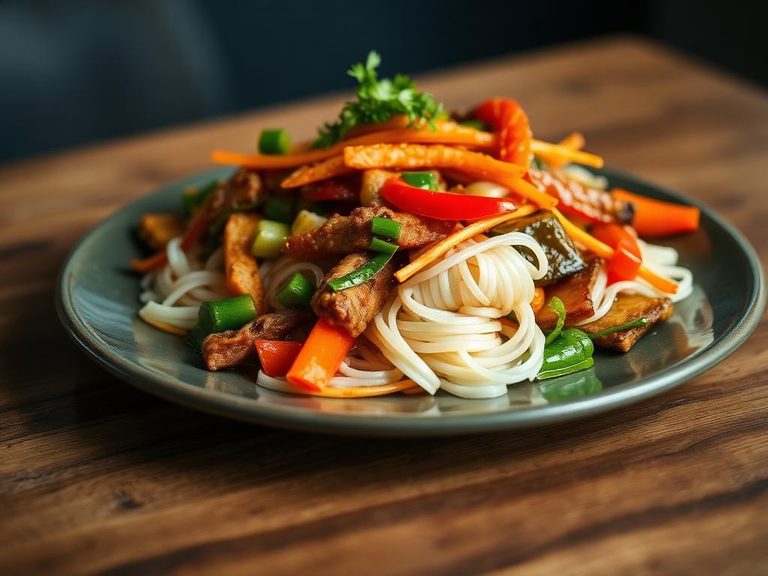
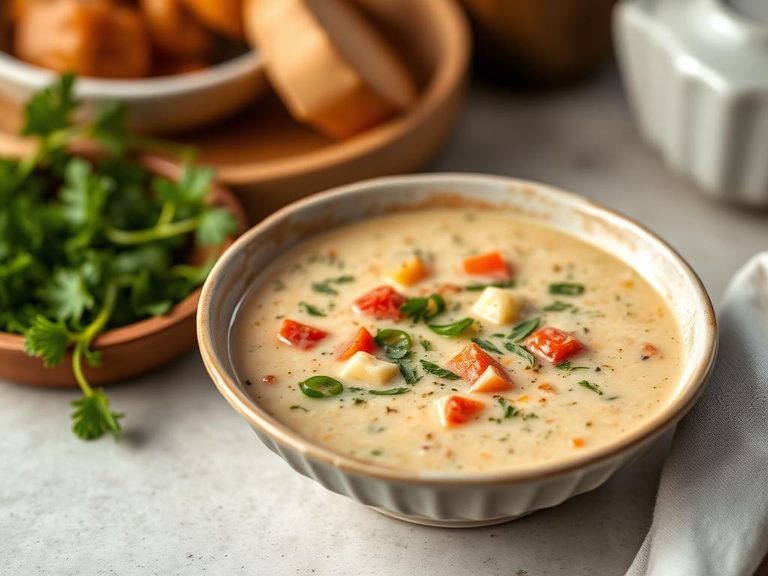
🍽️ Popular dishes

🌍 Where it's eaten
💡 Did you know?
The flash-freezing process, pioneered in the 1920s, can preserve nutrients better than fresh vegetables that have traveled long distances and sat on shelves for days.
Full nutrition (USDA data · scales with serving)
| Water | 80.6 g |
| Energy | 89.0 kcal |
| Protein | 2.8 g |
| Total lipid (fat) | 3.0 g |
| Carbohydrate, by difference | 12.7 g |
| Fiber, total dietary | 4.3 g |
| Total Sugars | 3.0 g |
| Calcium, Ca | 24.0 mg |
| Iron, Fe | 0.80 mg |
| Magnesium, Mg | 21.0 mg |
| Phosphorus, P | 49.0 mg |
| Potassium, K | 164 mg |
| Sodium, Na | 146 mg |
| Zinc, Zn | 0.47 mg |
| Copper, Cu | 0.08 mg |
| Selenium, Se | 0.30 ug |
| Vitamin C, total ascorbic acid | 3.1 mg |
| Thiamin | 0.07 mg |
| Riboflavin | 0.12 mg |
| Niacin | 0.82 mg |
| Vitamin B-6 | 0.07 mg |
| Folate, total | 18.0 ug |
| Folic acid | 0.00 ug |
| Folate, food | 18.0 ug |
| Folate, DFE | 18.0 ug |
| Choline, total | 23.3 mg |
| Vitamin B-12 | 0.00 ug |
| Vitamin B-12, added | 0.00 ug |
| Vitamin A, RAE | 207 ug |
| Retinol | 0.00 ug |
| Carotene, beta | 2015 ug |
| Carotene, alpha | 937 ug |
| Cryptoxanthin, beta | 0.00 ug |
| Lycopene | 0.00 ug |
| Lutein + zeaxanthin | 617 ug |
| Vitamin E (alpha-tocopherol) | 0.92 mg |
| Vitamin E, added | 0.00 mg |
| Vitamin D (D2 + D3) | 0.00 ug |
| Vitamin K (phylloquinone) | 25.7 ug |
| Alcohol, ethyl | 0.00 g |
| Caffeine | 0.00 mg |
| Theobromine | 0.00 mg |
Fat & fatty acid profile (per 100g)
| Fatty acids, total saturated | 0.42 g |
| SFA 4:0 | 0.00 g |
| SFA 6:0 | 0.00 g |
| SFA 8:0 | 0.00 g |
| SFA 10:0 | 0.00 g |
| SFA 12:0 | 0.00 g |
| SFA 14:0 | 0.00 g |
| SFA 16:0 | 0.30 g |
| SFA 18:0 | 0.09 g |
| Fatty acids, total monounsaturated | 1.2 g |
| MUFA 16:1 | 0.01 g |
| MUFA 18:1 | 1.2 g |
| MUFA 20:1 | 0.02 g |
| MUFA 22:1 | 0.00 g |
| Fatty acids, total polyunsaturated | 1.2 g |
| PUFA 18:2 | 1.0 g |
| PUFA 18:3 | 0.14 g |
| PUFA 18:4 | 0.00 g |
| PUFA 20:4 | 0.00 g |
| PUFA 20:5 n-3 (EPA) | 0.00 g |
| PUFA 22:5 n-3 (DPA) | 0.00 g |
| PUFA 22:6 n-3 (DHA) | 0.00 g |
| Cholesterol | 0.00 mg |
FAQ
Are frozen mixed vegetables as nutritious as fresh?
Often, yes. They are typically frozen within hours of harvest, which locks in vitamins and minerals that can degrade in fresh produce during transport and storage.
Should I thaw them before cooking?
For most methods like stir-frying or sautéing, you can cook them directly from frozen to preserve texture. For soups or pies, you can add them frozen to simmer.
How can I improve the texture and avoid sogginess?
Cook them quickly over high heat in a hot pan or wok without overcrowding. This helps evaporate excess moisture and maintains a crisp-tender bite.
Nutrient density (calculated · NRF9.3)
Nutrient Rich Foods index: beneficial nutrients (protein, fiber, vitamins, minerals) minus saturated fat, added sugar & sodium, per 100 kcal.
NRF9.3 index — Fulgoni, Keast & Drewnowski, 2009. Computed from USDA nutrients.
Weight-loss friendliness (composite index)
Energy density 0.89 kcal/g · 12% calories from protein · 4.3 g fiber · 3.0 g sugar per 100 g.
Composite of energy density (Rolls et al., 1999), protein & fiber satiety, minus sugar. A calculated heuristic — ranks satiety-per-calorie, not a clinical measure.
Dietary load (calculated from USDA values)
Potential renal acid load. Positive = acid-forming, negative = alkaline-forming.
Sodium-to-potassium ratio: 0.89 (lower is better — aim for ≤ 1)
Sodium:potassium per WHO potassium guidance. Computed from USDA nutrients.