

Vegetable Curry
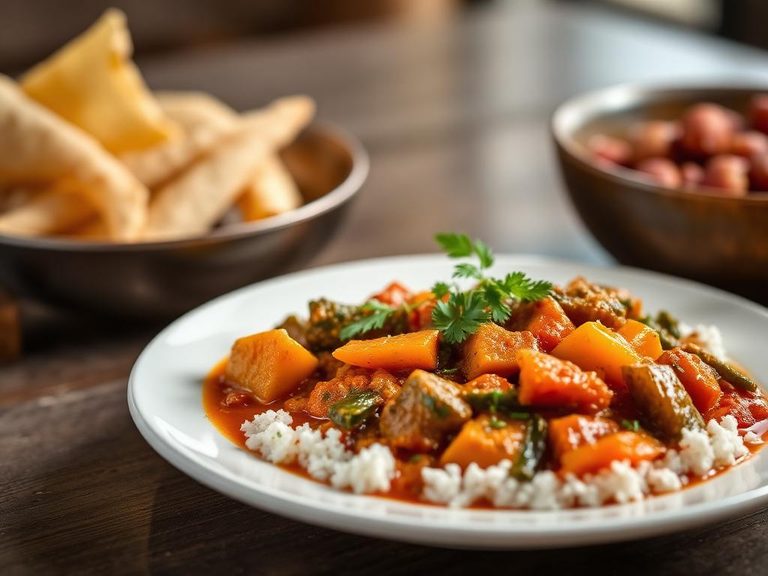
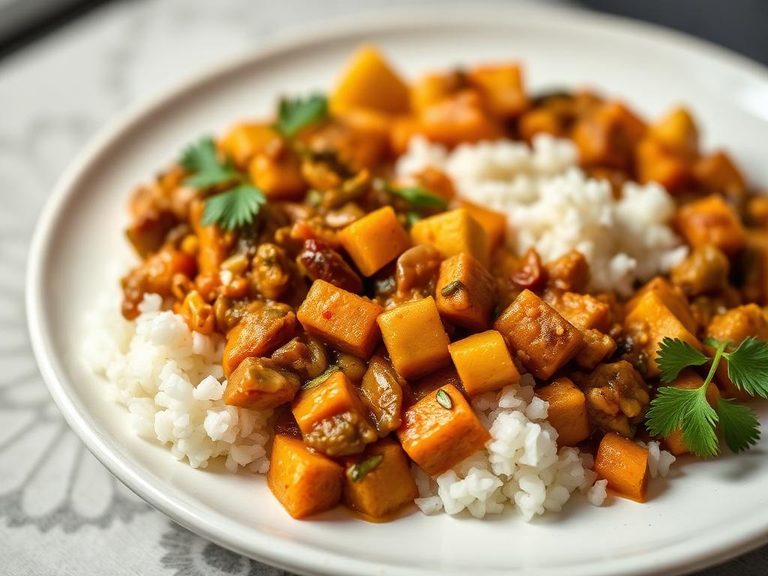
Vegetable Curry is a vibrant, aromatic dish where a medley of vegetables like potatoes, carrots, peas, and cauliflower are simmered in a rich, spiced sauce. The sauce is typically built on a base of onions, garlic, ginger, and a blend of spices such as turmeric, cumin, and coriander, often with coconut milk or tomatoes for creaminess and tang. This beloved dish has its roots in the Indian subcontinent and has become a global favorite with countless regional variations.
🍽️ Nutrition at a glance
This dish is generally a balanced source of complex carbohydrates and fiber from the vegetables, with a moderate amount of fat, especially if coconut milk is used. It is a great source of vitamins like A and C, as well as minerals such as potassium and iron, with a typical serving containing around 250-400 calories.
Nutrition breakdown
| Calories | 250 kcal |
| Protein | 7 g |
| Carbs | 30 g |
| Fat | 12 g |
| Fiber | 6 g |
| Sugar | 8 g |
| Sodium | 650 mg |
| Vitamin A | 120 mcg RAE |
| Vitamin C | 25 mg |
| Vitamin K | 30 mcg |
| Folate | 70 mcg DFE |
| Potassium | 450 mg |
| Magnesium | 45 mg |
| Iron | 2.5 mg |
| Calcium | 60 mg |
Per 1 cup (240 g) · estimated, varies by recipe
💡 What's interesting
The magic of vegetable curry lies in the concept of 'tempering' or 'tadka', where whole spices are bloomed in hot oil to release their essential oils, creating a profound depth of flavor. Nutritionally, the combination of spices like turmeric and black pepper is known to enhance the bioavailability of certain nutrients, making it a dish that is as functional as it is flavorful.
🍽️ Related dishes


AI estimate may be inaccurate · Terms