

Butter replacement, powder
Common food

Photo: Wikipedia
This is a dry, white powder designed to mimic butter's role in baking and cooking, offering a high-carb, low-fat profile. It dissolves easily into batters and doughs, providing a subtle, milky sweetness and a tender crumb without the richness of dairy butter. Nutritionally, it's a concentrated source of quick energy, primarily from carbohydrates.
Calorie split: 2% protein · 95% carbs · 2% fat
↓ Full nutrition💚 Why it's loved
People love it for its convenience and reliability in baking, ensuring a uniform texture in cakes and cookies. Its mild, sweet flavor integrates seamlessly, making it a versatile staple for both home cooks and commercial bakeries.
⚠️ Watch-outs & how to enjoy it better
Its very high carbohydrate and sugar content can lead to rapid blood-sugar spikes, making it unsuitable for low-carb diets or those monitoring glucose levels. It lacks the flavor complexity and mouthfeel of real butter. To counteract, use it in moderation and always pair it with protein (like nuts or eggs) and healthy fats (like avocado or olive oil) in the meal to slow sugar absorption.
Key benefits
- Long shelf life and easy storage
- Dissolves smoothly into batters and doughs
- Provides consistent texture in baking
- Dairy-free and lactose-free option
- Lightweight and convenient for travel or camping
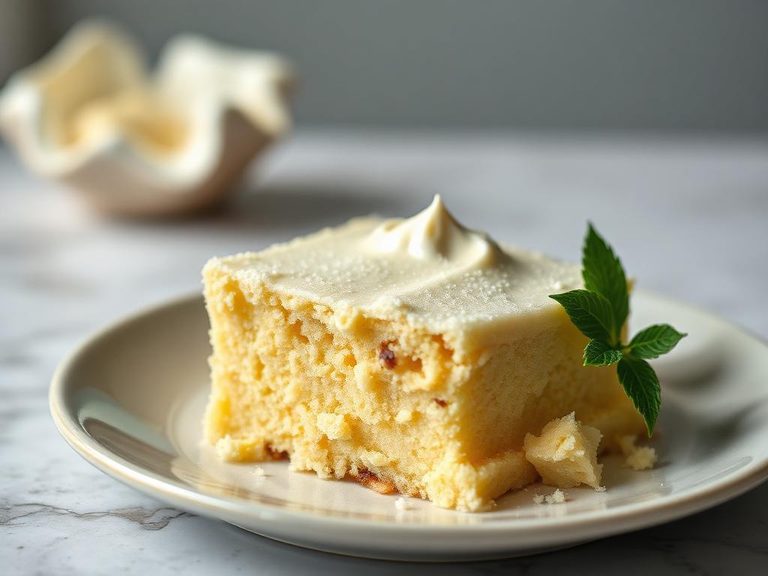
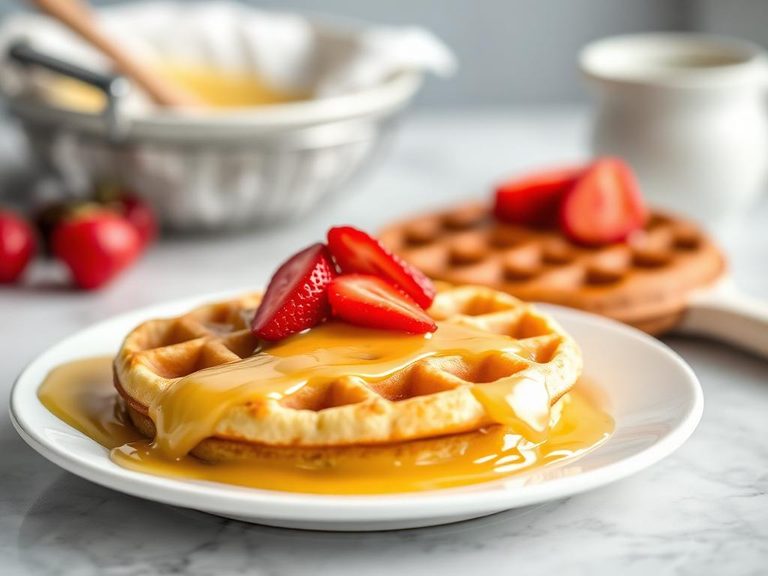
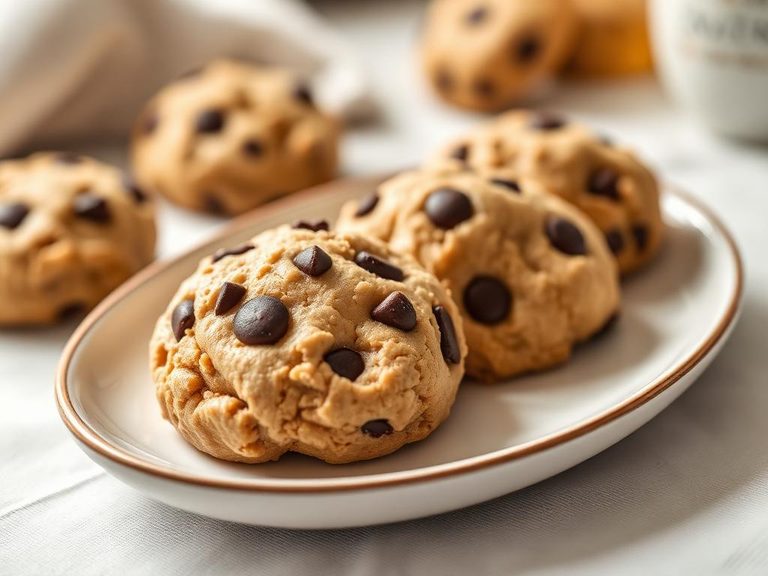
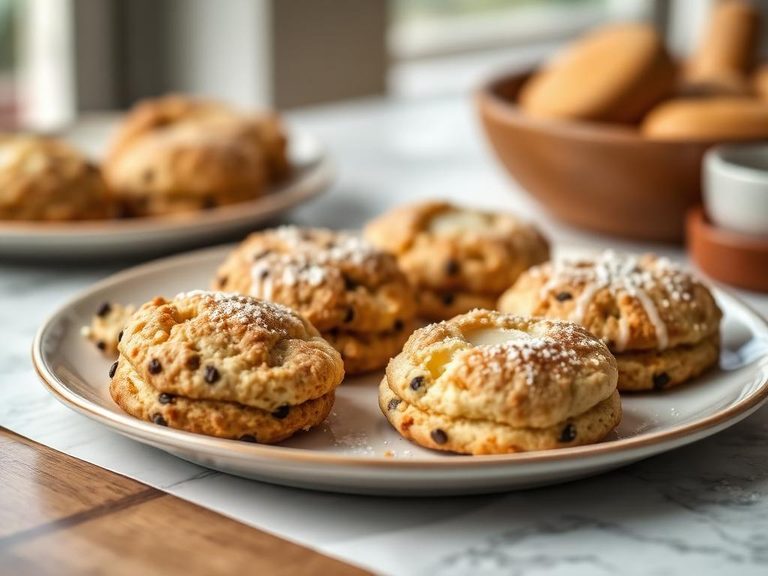
🍽️ Popular dishes
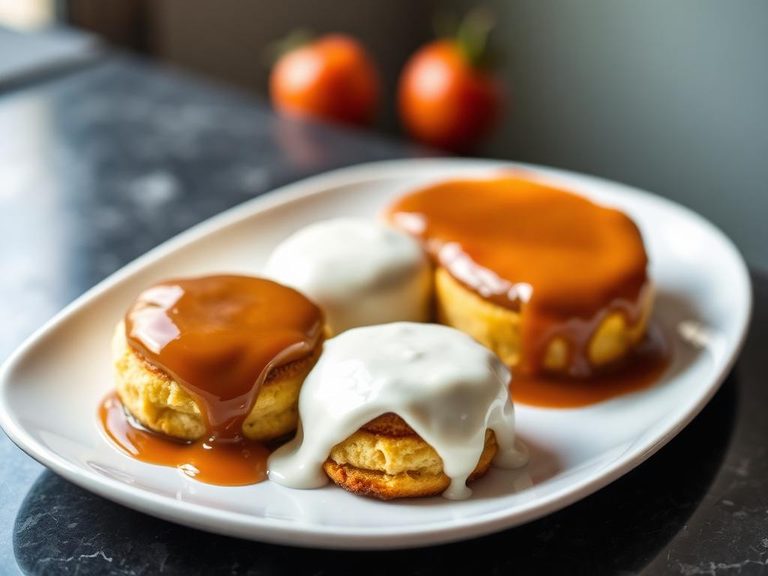
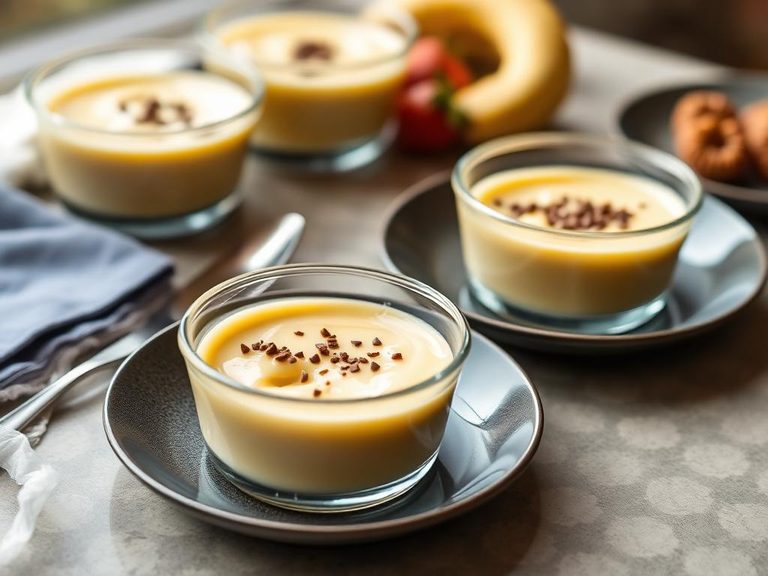
🌍 Where it's eaten
💡 Did you know?
This powder is often made by spray-drying a mixture of vegetable oil, corn syrup solids, and milk derivatives, a process that was pioneered in the 1950s to create non-dairy coffee creamers.
Full nutrition (USDA data · scales with serving)
| Water | 5.0 g |
| Energy | 373 kcal |
| Protein | 2.0 g |
| Total lipid (fat) | 1.0 g |
| Carbohydrate, by difference | 89.0 g |
| Fiber, total dietary | 0.00 g |
| Total Sugars | 5.3 g |
| Calcium, Ca | 23.0 mg |
| Iron, Fe | 2.0 mg |
| Magnesium, Mg | 0.00 mg |
| Phosphorus, P | 8.0 mg |
| Potassium, K | 2.0 mg |
| Sodium, Na | 1200 mg |
| Zinc, Zn | 0.00 mg |
| Copper, Cu | 0.00 mg |
| Selenium, Se | 0.00 ug |
| Vitamin C, total ascorbic acid | 0.00 mg |
| Thiamin | 0.00 mg |
| Riboflavin | 0.00 mg |
| Niacin | 0.00 mg |
| Vitamin B-6 | 0.00 mg |
| Folate, total | 0.00 ug |
| Folic acid | 0.00 ug |
| Folate, food | 0.00 ug |
| Folate, DFE | 0.00 ug |
| Choline, total | 0.40 mg |
| Vitamin B-12 | 0.00 ug |
| Vitamin B-12, added | 0.00 ug |
| Vitamin A, RAE | 0.00 ug |
| Retinol | 0.00 ug |
| Carotene, beta | 0.00 ug |
| Carotene, alpha | 0.00 ug |
| Cryptoxanthin, beta | 0.00 ug |
| Lycopene | 0.00 ug |
| Lutein + zeaxanthin | 0.00 ug |
| Vitamin E (alpha-tocopherol) | 0.00 mg |
| Vitamin E, added | 0.00 mg |
| Vitamin D (D2 + D3) | 0.00 ug |
| Vitamin K (phylloquinone) | 0.00 ug |
| Alcohol, ethyl | 0.00 g |
| Caffeine | 0.00 mg |
| Theobromine | 0.00 mg |
Fat & fatty acid profile (per 100g)
| Fatty acids, total saturated | 0.59 g |
| SFA 4:0 | 0.03 g |
| SFA 6:0 | 0.02 g |
| SFA 8:0 | 0.01 g |
| SFA 10:0 | 0.03 g |
| SFA 12:0 | 0.03 g |
| SFA 14:0 | 0.09 g |
| SFA 16:0 | 0.25 g |
| SFA 18:0 | 0.11 g |
| Fatty acids, total monounsaturated | 0.28 g |
| MUFA 16:1 | 0.02 g |
| MUFA 18:1 | 0.24 g |
| MUFA 20:1 | 0.00 g |
| MUFA 22:1 | 0.00 g |
| Fatty acids, total polyunsaturated | 0.06 g |
| PUFA 18:2 | 0.04 g |
| PUFA 18:3 | 0.02 g |
| PUFA 18:4 | 0.00 g |
| PUFA 20:4 | 0.00 g |
| PUFA 20:5 n-3 (EPA) | 0.00 g |
| PUFA 22:5 n-3 (DPA) | 0.00 g |
| PUFA 22:6 n-3 (DHA) | 0.00 g |
| Cholesterol | 2.0 mg |
FAQ
Can I use this as a 1:1 replacement for butter in any recipe?
No. It's a dry ingredient, not a fat. It cannot replicate the moisture, richness, or browning properties of solid butter. It's best used in recipes specifically designed for it, like cake mixes, or as part of a dry blend.
Is this the same as powdered butter?
Not exactly. Powdered butter is dehydrated real butter, retaining its fat content. This product is a low-fat, high-carb substitute with a completely different nutritional profile and function.
How should I store it?
Keep it in a cool, dry place in an airtight container. Its low moisture content makes it shelf-stable for a long time, but it can clump if exposed to humidity.
Nutrient density (calculated · NRF9.3)
Nutrient Rich Foods index: beneficial nutrients (protein, fiber, vitamins, minerals) minus saturated fat, added sugar & sodium, per 100 kcal.
NRF9.3 index — Fulgoni, Keast & Drewnowski, 2009. Computed from USDA nutrients.
Weight-loss friendliness (composite index)
Energy density 3.73 kcal/g · 2% calories from protein · 0.0 g fiber · 5.3 g sugar per 100 g.
Composite of energy density (Rolls et al., 1999), protein & fiber satiety, minus sugar. A calculated heuristic — ranks satiety-per-calorie, not a clinical measure.
Dietary load (calculated from USDA values)
Potential renal acid load. Positive = acid-forming, negative = alkaline-forming.
Sodium-to-potassium ratio: 600.00 (lower is better — aim for ≤ 1)
Sodium:potassium per WHO potassium guidance. Computed from USDA nutrients.