

Butter replacement, liquid
Common food
Liquid butter replacement is a highly processed, oil-based product designed to mimic the flavor and mouthfeel of melted butter in cooking and baking. It boasts an extremely high fat content (nearly 60g per 100g) with negligible protein and carbohydrates, delivering a rich, savory profile without the dairy. Its liquid form makes it exceptionally easy to measure and incorporate into recipes.
Calorie split: 0% protein · 1% carbs · 99% fat
↓ Full nutrition💚 Why it's loved
People love its convenience and ability to deliver a buttery flavor in large-scale cooking without the risk of burning or separation. It is a staple in commercial kitchens for its consistency and cost-effectiveness.
⚠️ Watch-outs & how to enjoy it better
Its high fat content and lack of fiber or protein can make it a calorie-dense choice that offers little satiety. Those monitoring fat intake or seeking whole-food ingredients should use it sparingly and pair it with fiber-rich vegetables or lean proteins to balance the meal.
Key benefits
- Dairy-free and lactose-free alternative
- High smoke point suitable for sautéing and frying
- Easy to measure and pour for consistent baking results
- Shelf-stable and convenient for commercial food service
🍽️ Popular dishes

🌍 Where it's eaten
💡 Did you know?
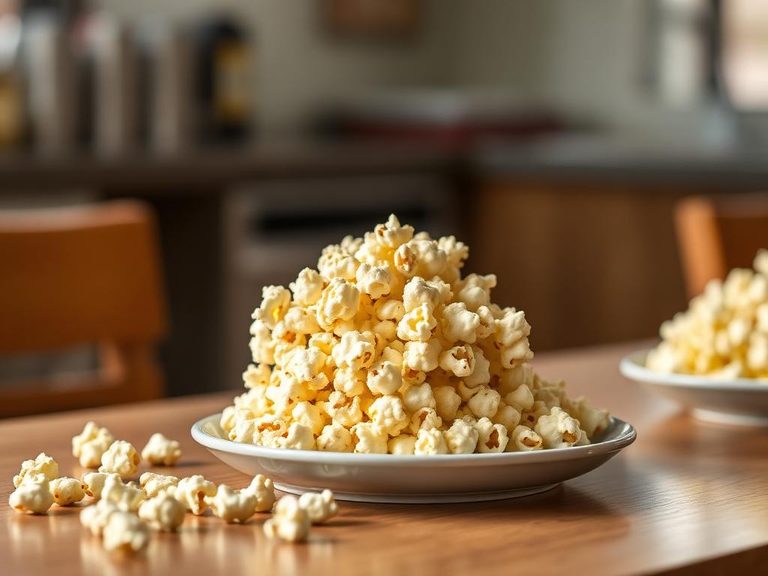
Many liquid butter replacements are primarily composed of soybean or canola oil, emulsified with water and flavored to mimic butter, and are often used in movie theater popcorn for their superior coating ability.
Full nutrition (USDA data · scales with serving)
| Water | 37.6 g |
| Energy | 533 kcal |
| Protein | 0.17 g |
| Total lipid (fat) | 59.8 g |
| Carbohydrate, by difference | 0.86 g |
| Fiber, total dietary | 0.00 g |
| Total Sugars | 0.00 g |
| Calcium, Ca | 21.0 mg |
| Iron, Fe | 0.00 mg |
| Magnesium, Mg | 2.0 mg |
| Phosphorus, P | 16.0 mg |
| Potassium, K | 30.0 mg |
| Sodium, Na | 615 mg |
| Zinc, Zn | 0.00 mg |
| Copper, Cu | 0.00 mg |
| Selenium, Se | 0.00 ug |
| Vitamin C, total ascorbic acid | 0.10 mg |
| Thiamin | 0.01 mg |
| Riboflavin | 0.03 mg |
| Niacin | 0.02 mg |
| Vitamin B-6 | 3.8 mg |
| Folate, total | 1.0 ug |
| Folic acid | 0.00 ug |
| Folate, food | 1.0 ug |
| Folate, DFE | 1.0 ug |
| Choline, total | 10.2 mg |
| Vitamin B-12 | 0.00 ug |
| Vitamin B-12, added | 0.00 ug |
| Vitamin A, RAE | 819 ug |
| Retinol | 768 ug |
| Carotene, beta | 610 ug |
| Carotene, alpha | 0.00 ug |
| Cryptoxanthin, beta | 0.00 ug |
| Lycopene | 0.00 ug |
| Lutein + zeaxanthin | 0.00 ug |
| Vitamin E (alpha-tocopherol) | 21.1 mg |
| Vitamin E, added | 0.00 mg |
| Vitamin D (D2 + D3) | 0.00 ug |
| Vitamin K (phylloquinone) | 101 ug |
| Alcohol, ethyl | 0.00 g |
| Caffeine | 0.00 mg |
| Theobromine | 0.00 mg |
Fat & fatty acid profile (per 100g)
| Fatty acids, total saturated | 12.1 g |
| SFA 4:0 | 0.01 g |
| SFA 6:0 | 0.01 g |
| SFA 8:0 | 0.01 g |
| SFA 10:0 | 0.07 g |
| SFA 12:0 | 0.20 g |
| SFA 14:0 | 0.16 g |
| SFA 16:0 | 6.4 g |
| SFA 18:0 | 4.8 g |
| Fatty acids, total monounsaturated | 19.3 g |
| MUFA 16:1 | 0.05 g |
| MUFA 18:1 | 19.1 g |
| MUFA 20:1 | 0.19 g |
| MUFA 22:1 | 0.00 g |
| Fatty acids, total polyunsaturated | 26.5 g |
| PUFA 18:2 | 23.7 g |
| PUFA 18:3 | 2.7 g |
| PUFA 18:4 | 0.00 g |
| PUFA 20:4 | 0.00 g |
| PUFA 20:5 n-3 (EPA) | 0.00 g |
| PUFA 22:5 n-3 (DPA) | 0.01 g |
| PUFA 22:6 n-3 (DHA) | 0.00 g |
| Cholesterol | 1.0 mg |
FAQ
Is liquid butter replacement the same as margarine?
Not exactly. While both are butter substitutes, liquid butter replacements are typically oil-based liquids designed for cooking and baking, whereas margarine is a semi-solid spread often made from hydrogenated or interesterified fats.
Can I use it in baking recipes that call for butter?
Yes, but you may need to adjust the recipe. Since it is liquid and has a different fat structure, it can affect texture; often, you can use a 1:1 volume substitution but may need to reduce other liquids slightly.
Is it suitable for a vegan diet?
It depends on the brand. Many liquid butter replacements are vegan, made from plant oils, but some may contain dairy-derived ingredients or flavors. Always check the label for specific allergens or animal-derived components.
Nutrient density (calculated · NRF9.3)
Nutrient Rich Foods index: beneficial nutrients (protein, fiber, vitamins, minerals) minus saturated fat, added sugar & sodium, per 100 kcal.
NRF9.3 index — Fulgoni, Keast & Drewnowski, 2009. Computed from USDA nutrients.
Weight-loss friendliness (composite index)
Energy density 5.33 kcal/g · 0% calories from protein · 0.0 g fiber · 0.0 g sugar per 100 g.
Composite of energy density (Rolls et al., 1999), protein & fiber satiety, minus sugar. A calculated heuristic — ranks satiety-per-calorie, not a clinical measure.
Dietary load (calculated from USDA values)
Potential renal acid load. Positive = acid-forming, negative = alkaline-forming.
Sodium-to-potassium ratio: 20.50 (lower is better — aim for ≤ 1)
Sodium:potassium per WHO potassium guidance. Computed from USDA nutrients.