

Broccoli raab, raw
Common food

Photo: Wikipedia
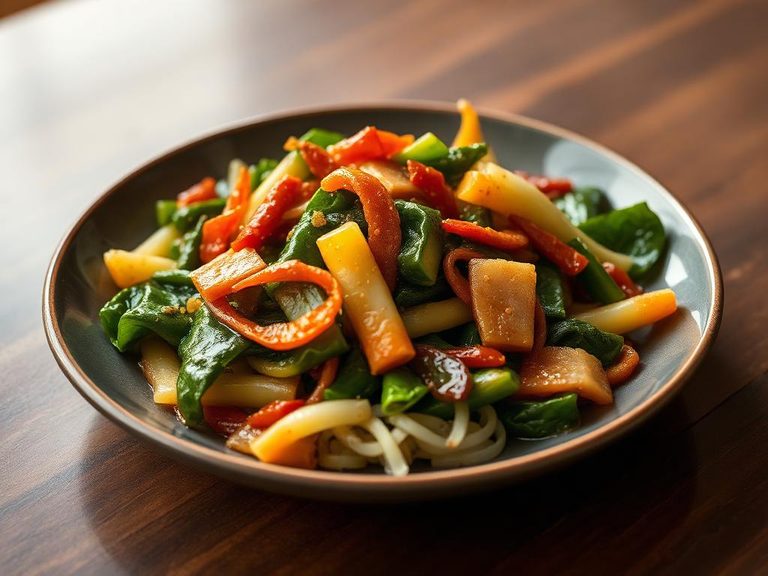
Broccoli raab, also known as rapini, is a leafy green vegetable with small broccoli-like florets and a pronounced, pleasantly bitter flavor. Its texture is a tender-crisp mix of slender stalks, leafy greens, and delicate buds. Despite its low calorie count, it's a nutritional powerhouse, offering a significant amount of protein and fiber per serving.
Calorie split: 45% protein · 40% carbs · 15% fat
↓ Full nutrition💚 Why it's loved
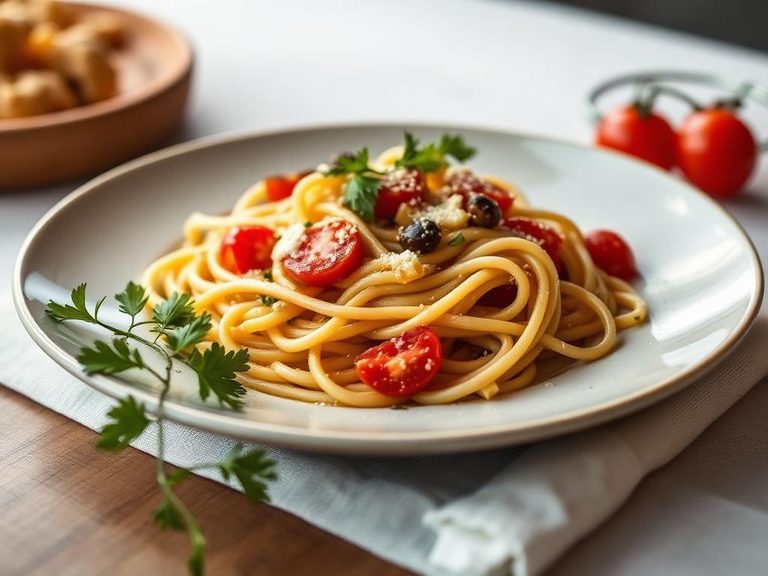
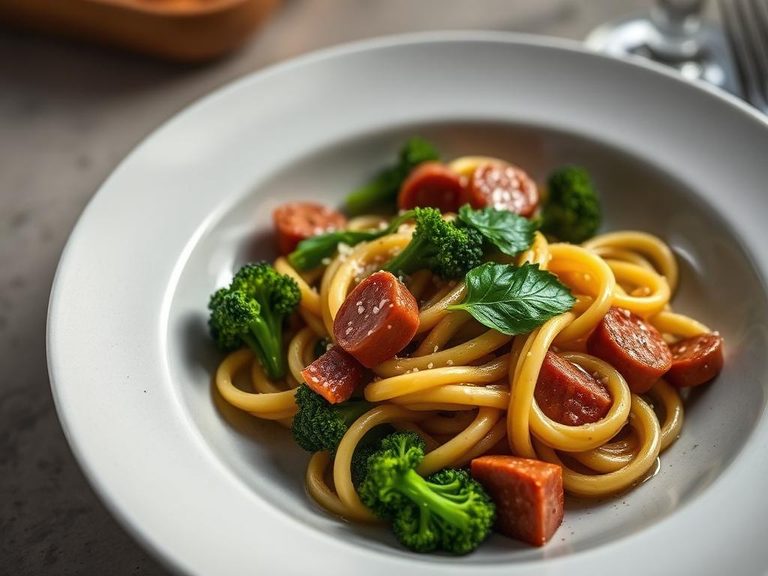
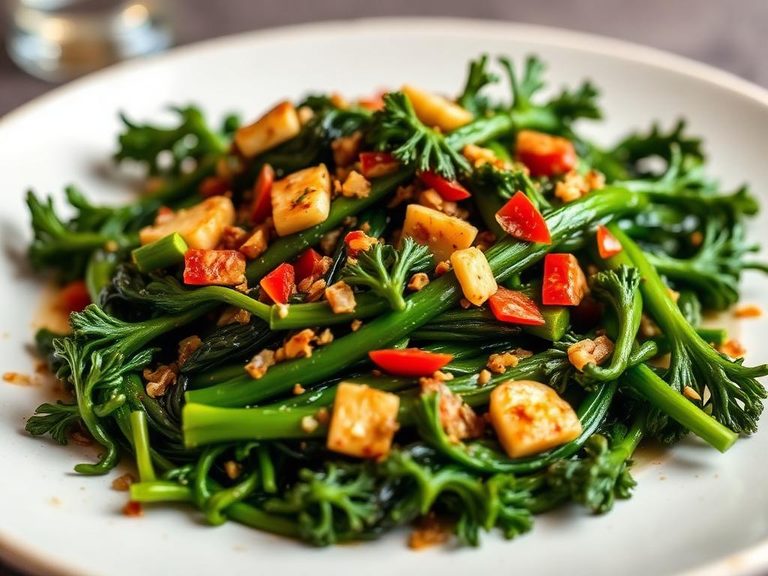
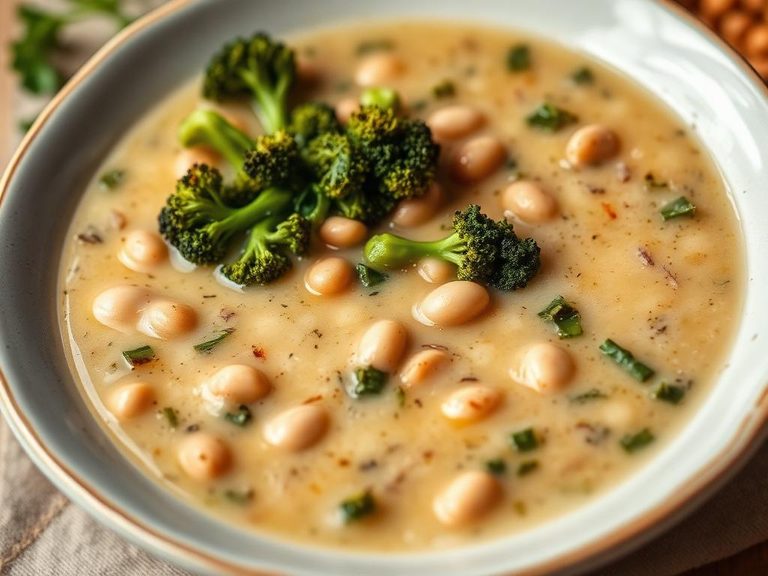
People love broccoli raab for its bold, nutty bitterness that adds depth to dishes, a flavor profile prized in many cuisines. Its versatility shines whether quickly sautéed with garlic and chili, tossed into pasta, or added to hearty soups.
⚠️ Watch-outs & how to enjoy it better
The assertive bitterness can be off-putting to some palates, especially children or those new to bitter greens. It is high in oxalates, which can contribute to kidney stones in susceptible individuals. To counteract bitterness, blanch the raab in boiling salted water for 1-2 minutes before sautéing. To reduce oxalates, always use the blanching method and discard the water.
Key benefits
- Excellent source of vitamin K for bone health.
- Provides vitamin C for immune function and skin health.
- High in dietary fiber to support digestion.
- Contains glucosinolates, compounds studied for their health benefits.
- Low in calories and carbohydrates, suitable for weight management.
🍽️ Popular dishes
🌍 Where it's eaten
💡 Did you know?
Despite its name, broccoli raab is not a type of broccoli at all; it's actually a member of the turnip family (Brassica rapa), making it more closely related to bok choy and napa cabbage.
Full nutrition (USDA data · scales with serving)
| Water | 92.5 g |
| Energy | 22.0 kcal |
| Protein | 3.2 g |
| Total lipid (fat) | 0.49 g |
| Carbohydrate, by difference | 2.9 g |
| Fiber, total dietary | 2.7 g |
| Total Sugars | 0.38 g |
| Calcium, Ca | 108 mg |
| Iron, Fe | 2.1 mg |
| Magnesium, Mg | 22.0 mg |
| Phosphorus, P | 73.0 mg |
| Potassium, K | 196 mg |
| Sodium, Na | 33.0 mg |
| Zinc, Zn | 0.77 mg |
| Copper, Cu | 0.04 mg |
| Selenium, Se | 1.0 ug |
| Vitamin C, total ascorbic acid | 20.2 mg |
| Thiamin | 0.16 mg |
| Riboflavin | 0.13 mg |
| Niacin | 1.2 mg |
| Vitamin B-6 | 0.17 mg |
| Folate, total | 83.0 ug |
| Folic acid | 0.00 ug |
| Folate, food | 83.0 ug |
| Folate, DFE | 83.0 ug |
| Choline, total | 18.3 mg |
| Vitamin B-12 | 0.00 ug |
| Vitamin B-12, added | 0.00 ug |
| Vitamin A, RAE | 131 ug |
| Retinol | 0.00 ug |
| Carotene, beta | 1573 ug |
| Carotene, alpha | 0.00 ug |
| Cryptoxanthin, beta | 0.00 ug |
| Lycopene | 0.00 ug |
| Lutein + zeaxanthin | 1121 ug |
| Vitamin E (alpha-tocopherol) | 1.6 mg |
| Vitamin E, added | 0.00 mg |
| Vitamin D (D2 + D3) | 0.00 ug |
| Vitamin K (phylloquinone) | 224 ug |
| Alcohol, ethyl | 0.00 g |
| Caffeine | 0.00 mg |
| Theobromine | 0.00 mg |
Fat & fatty acid profile (per 100g)
| Fatty acids, total saturated | 0.08 g |
| SFA 4:0 | 0.00 g |
| SFA 6:0 | 0.00 g |
| SFA 8:0 | 0.00 g |
| SFA 10:0 | 0.00 g |
| SFA 12:0 | 0.00 g |
| SFA 14:0 | 0.00 g |
| SFA 16:0 | 0.07 g |
| SFA 18:0 | 0.01 g |
| Fatty acids, total monounsaturated | 0.04 g |
| MUFA 16:1 | 0.00 g |
| MUFA 18:1 | 0.01 g |
| MUFA 20:1 | 0.00 g |
| MUFA 22:1 | 0.00 g |
| Fatty acids, total polyunsaturated | 0.22 g |
| PUFA 18:2 | 0.03 g |
| PUFA 18:3 | 0.19 g |
| PUFA 18:4 | 0.00 g |
| PUFA 20:4 | 0.00 g |
| PUFA 20:5 n-3 (EPA) | 0.00 g |
| PUFA 22:5 n-3 (DPA) | 0.00 g |
| PUFA 22:6 n-3 (DHA) | 0.00 g |
| Cholesterol | 0.00 mg |
FAQ
What's the difference between broccoli raab and broccoli?
Broccoli raab (Brassica rapa) is a different species from common broccoli (Brassica oleracea). Raab has smaller florets, more leaves and stems, and a distinctly bitter, nutty flavor, whereas broccoli has a milder, sweeter taste and a thick, tree-like stalk.
How do I prepare broccoli raab to reduce bitterness?
The most effective method is blanching. Bring a pot of salted water to a boil, add the chopped raab, and cook for 1-2 minutes. Drain and rinse with cold water. This step tempers the bitterness and removes some oxalates. You can then sauté it with garlic, olive oil, and red pepper flakes.
Is broccoli raab healthy?
Yes, it's extremely nutrient-dense. It's low in calories but high in vitamins K and C, fiber, and protein. It also contains beneficial plant compounds. However, its high oxalate content means individuals prone to certain types of kidney stones should consult a doctor about portion size and preparation methods.
Nutrient density (calculated · NRF9.3)
Nutrient Rich Foods index: beneficial nutrients (protein, fiber, vitamins, minerals) minus saturated fat, added sugar & sodium, per 100 kcal.
NRF9.3 index — Fulgoni, Keast & Drewnowski, 2009. Computed from USDA nutrients.
Weight-loss friendliness (composite index)
Energy density 0.22 kcal/g · 58% calories from protein · 2.7 g fiber · 0.4 g sugar per 100 g.
Composite of energy density (Rolls et al., 1999), protein & fiber satiety, minus sugar. A calculated heuristic — ranks satiety-per-calorie, not a clinical measure.
Dietary load (calculated from USDA values)
Potential renal acid load. Positive = acid-forming, negative = alkaline-forming.
Sodium-to-potassium ratio: 0.17 (lower is better — aim for ≤ 1)
Sodium:potassium per WHO potassium guidance. Computed from USDA nutrients.