

Bitter melon, cooked
Common food

Photo: Wikipedia
Bitter melon, or karela, is a warty, cucumber-like fruit known for its intensely sharp, acrid flavor that mellows into a complex, savory bitterness when cooked. Its crisp, slightly crunchy texture softens into a tender, almost meaty bite when stir-fried or braised, making it a prized ingredient in many cuisines. Despite its low calorie count, it is a good source of fiber and contains notable amounts of vitamin C and folate.
Calorie split: 7% protein · 38% carbs · 55% fat
↓ Full nutrition💚 Why it's loved
People love bitter melon for its bold, acquired taste that adds a unique depth and complexity to dishes, often balancing rich or spicy flavors. It is deeply embedded in cultural traditions, from Indian curries to Chinese stir-fries, where it is celebrated for its versatility and symbolic health benefits.
⚠️ Watch-outs & how to enjoy it better
The intense bitterness can be off-putting to those unaccustomed to it, and it may cause digestive discomfort in some individuals. To counteract this, slice it thinly, soak in salted water, or blanch before cooking to reduce bitterness. Pairing it with protein (like eggs or meat) or fat (like coconut milk) can also balance the flavor and make it more palatable.
Key benefits
- Rich in vitamin C, supporting immune function and skin health.
- Good source of dietary fiber, aiding digestion and promoting fullness.
- Contains antioxidants like flavonoids and phenolic compounds.
- Low in calories, making it suitable for weight management.
- May help support healthy blood sugar levels as part of a balanced diet.
🍽️ Popular dishes
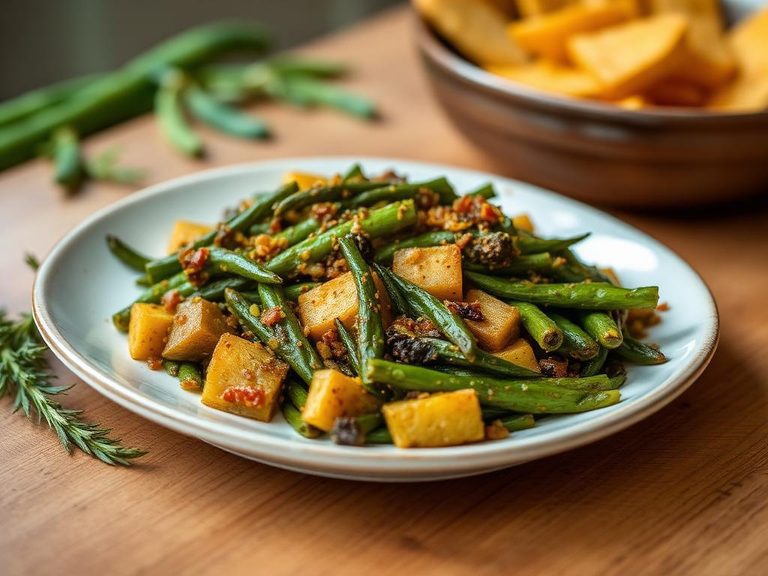
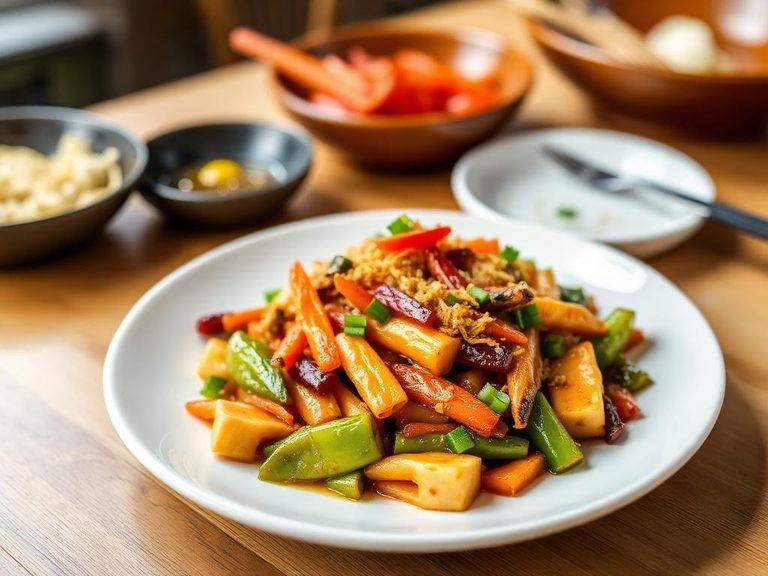
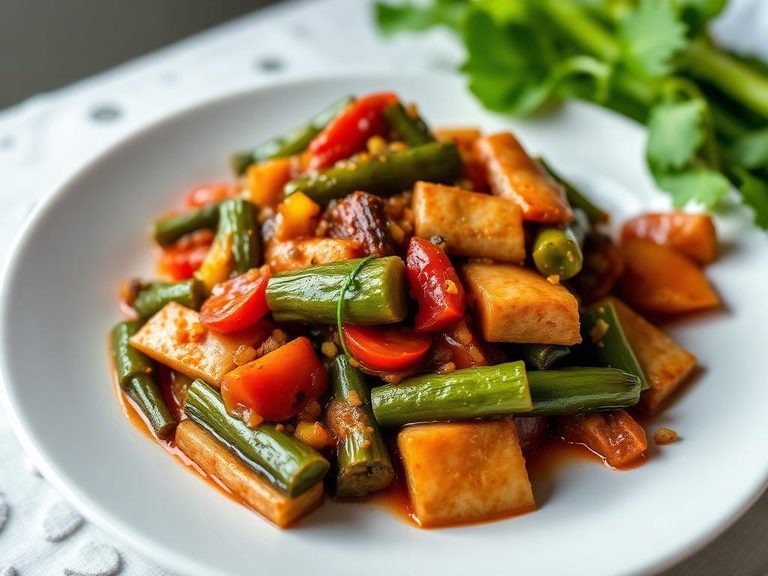
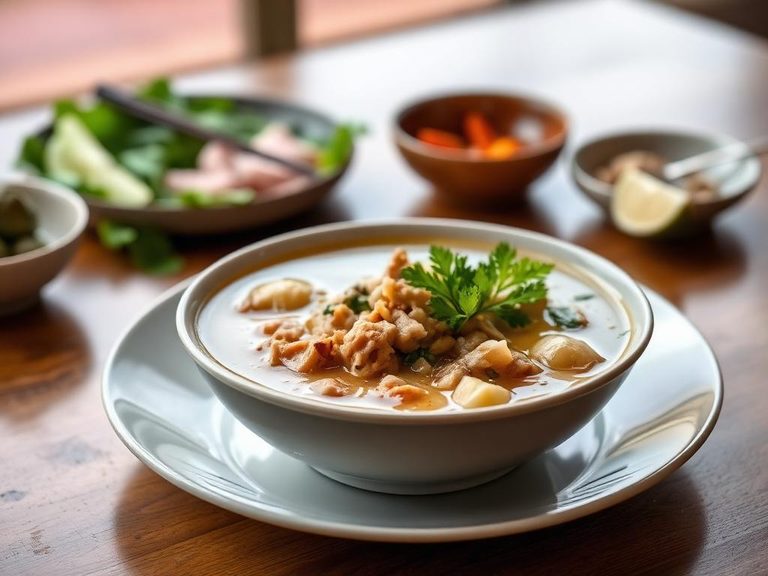

🌍 Where it's eaten
💡 Did you know?
Bitter melon is one of the few vegetables that can be eaten raw, and in some cultures, its juice is consumed as a traditional remedy for skin ailments and fever.
Full nutrition (USDA data · scales with serving)
| Water | 91.3 g |
| Energy | 41.0 kcal |
| Protein | 0.82 g |
| Total lipid (fat) | 2.7 g |
| Carbohydrate, by difference | 4.2 g |
| Fiber, total dietary | 1.9 g |
| Total Sugars | 1.9 g |
| Calcium, Ca | 9.0 mg |
| Iron, Fe | 0.37 mg |
| Magnesium, Mg | 16.0 mg |
| Phosphorus, P | 35.0 mg |
| Potassium, K | 309 mg |
| Sodium, Na | 127 mg |
| Zinc, Zn | 0.75 mg |
| Copper, Cu | 0.03 mg |
| Selenium, Se | 0.20 ug |
| Vitamin C, total ascorbic acid | 31.9 mg |
| Thiamin | 0.05 mg |
| Riboflavin | 0.05 mg |
| Niacin | 0.27 mg |
| Vitamin B-6 | 0.06 mg |
| Folate, total | 49.0 ug |
| Folic acid | 0.00 ug |
| Folate, food | 49.0 ug |
| Folate, DFE | 49.0 ug |
| Choline, total | 10.7 mg |
| Vitamin B-12 | 0.00 ug |
| Vitamin B-12, added | 0.00 ug |
| Vitamin A, RAE | 17.0 ug |
| Retinol | 11.0 ug |
| Carotene, beta | 71.0 ug |
| Carotene, alpha | 0.00 ug |
| Cryptoxanthin, beta | 0.00 ug |
| Lycopene | 0.00 ug |
| Lutein + zeaxanthin | 1281 ug |
| Vitamin E (alpha-tocopherol) | 0.52 mg |
| Vitamin E, added | 0.00 mg |
| Vitamin D (D2 + D3) | 0.00 ug |
| Vitamin K (phylloquinone) | 6.7 ug |
| Alcohol, ethyl | 0.00 g |
| Caffeine | 0.00 mg |
| Theobromine | 0.00 mg |
Fat & fatty acid profile (per 100g)
| Fatty acids, total saturated | 0.68 g |
| SFA 4:0 | 0.02 g |
| SFA 6:0 | 0.01 g |
| SFA 8:0 | 0.01 g |
| SFA 10:0 | 0.02 g |
| SFA 12:0 | 0.02 g |
| SFA 14:0 | 0.06 g |
| SFA 16:0 | 0.37 g |
| SFA 18:0 | 0.14 g |
| Fatty acids, total monounsaturated | 0.94 g |
| MUFA 16:1 | 0.01 g |
| MUFA 18:1 | 0.90 g |
| MUFA 20:1 | 0.01 g |
| MUFA 22:1 | 0.00 g |
| Fatty acids, total polyunsaturated | 0.81 g |
| PUFA 18:2 | 0.72 g |
| PUFA 18:3 | 0.08 g |
| PUFA 18:4 | 0.00 g |
| PUFA 20:4 | 0.00 g |
| PUFA 20:5 n-3 (EPA) | 0.00 g |
| PUFA 22:5 n-3 (DPA) | 0.00 g |
| PUFA 22:6 n-3 (DHA) | 0.00 g |
| Cholesterol | 2.0 mg |
FAQ
How do I reduce the bitterness of cooked bitter melon?
Slice it thinly, sprinkle with salt, and let it sit for 10-15 minutes to draw out bitter juices, then rinse and pat dry. Alternatively, blanching in boiling water for 1-2 minutes or soaking in a vinegar-water solution can also help mellow the flavor.
Is bitter melon safe for people with diabetes?
Bitter melon is often used in traditional diets to support blood sugar management, but it should not replace medical treatment. People with diabetes should consult their healthcare provider before incorporating it regularly, as it may interact with medications.
Can I eat bitter melon raw?
Yes, bitter melon can be eaten raw, often in salads or as a juice, but its strong bitterness may be more pronounced. To make it more palatable, it is commonly salted, pickled, or paired with sweet or tangy ingredients.
Nutrient density (calculated · NRF9.3)
Nutrient Rich Foods index: beneficial nutrients (protein, fiber, vitamins, minerals) minus saturated fat, added sugar & sodium, per 100 kcal.
NRF9.3 index — Fulgoni, Keast & Drewnowski, 2009. Computed from USDA nutrients.
Weight-loss friendliness (composite index)
Energy density 0.41 kcal/g · 8% calories from protein · 1.9 g fiber · 1.9 g sugar per 100 g.
Composite of energy density (Rolls et al., 1999), protein & fiber satiety, minus sugar. A calculated heuristic — ranks satiety-per-calorie, not a clinical measure.
Dietary load (calculated from USDA values)
Potential renal acid load. Positive = acid-forming, negative = alkaline-forming.
Sodium-to-potassium ratio: 0.41 (lower is better — aim for ≤ 1)
Sodium:potassium per WHO potassium guidance. Computed from USDA nutrients.