

Beef with soy-based sauce
Common food
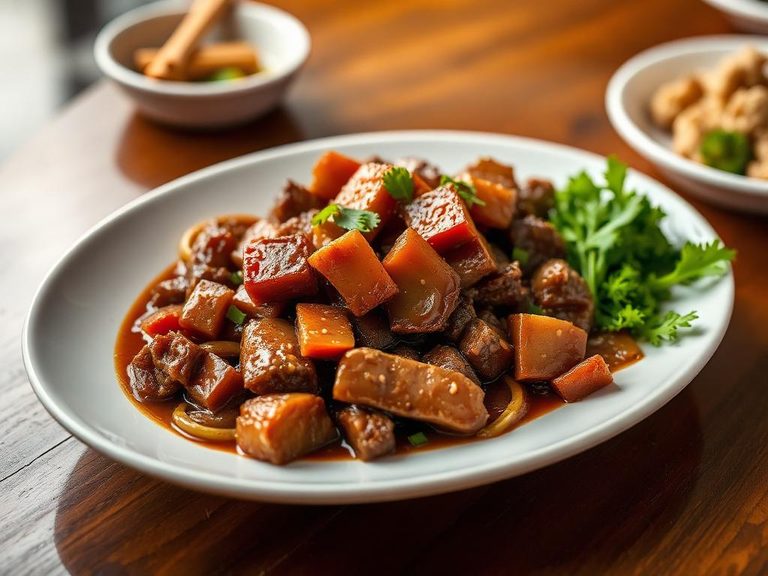
Beef with soy-based sauce is a savory dish featuring tender slices of beef coated in a rich, umami-laden sauce made from fermented soybeans. The texture is typically tender and succulent, with a deep, salty-sweet flavor profile. Nutritionally, it provides a significant protein boost (15.86g per 100g) with a moderate fat content and minimal carbohydrates.
Calorie split: 34% protein · 7% carbs · 59% fat
↓ Full nutrition💚 Why it's loved
People love it for its deep, savory umami flavor and tender texture, which makes it a comforting and satisfying meal. It's also incredibly versatile, easily adapting to stir-fries, braises, or marinades across many cultures.
⚠️ Watch-outs & how to enjoy it better
The dish can be high in sodium due to the soy sauce, which may be a concern for those monitoring blood pressure. To counteract this, use low-sodium soy sauce, pair with potassium-rich vegetables like spinach or broccoli, and practice portion control. Additionally, the fat content (12.38g per 100g) means it should be consumed in moderation by those managing cholesterol levels.
Key benefits
- High-quality protein source for muscle maintenance
- Rich in umami flavor from fermented soy
- Versatile base for various cuisines
- Low in sugar and fiber
- Can be prepared with minimal added sugars
🍽️ Popular dishes
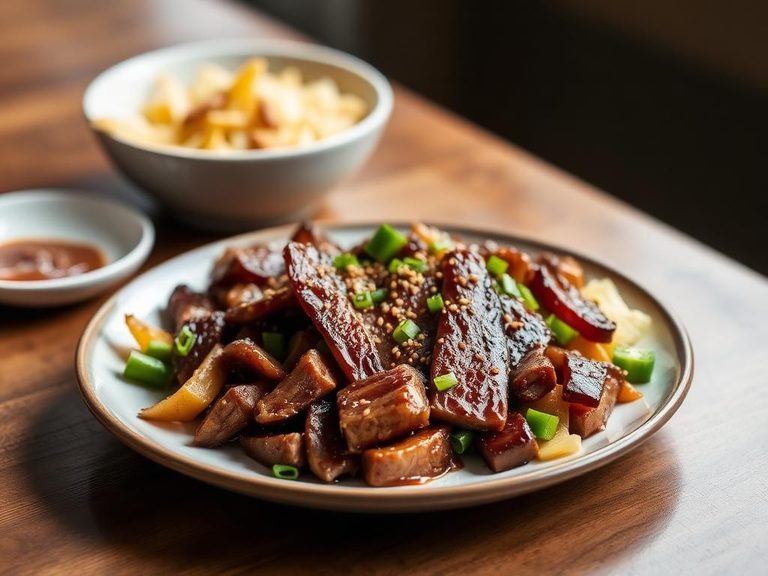

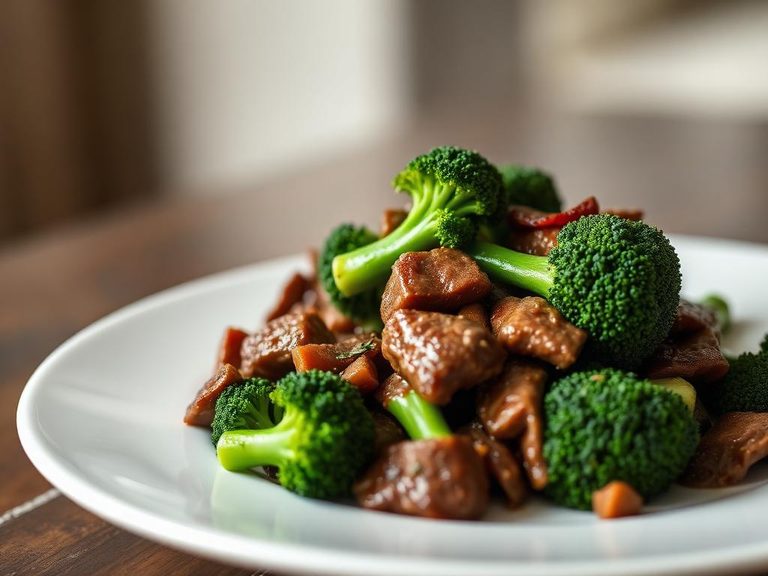
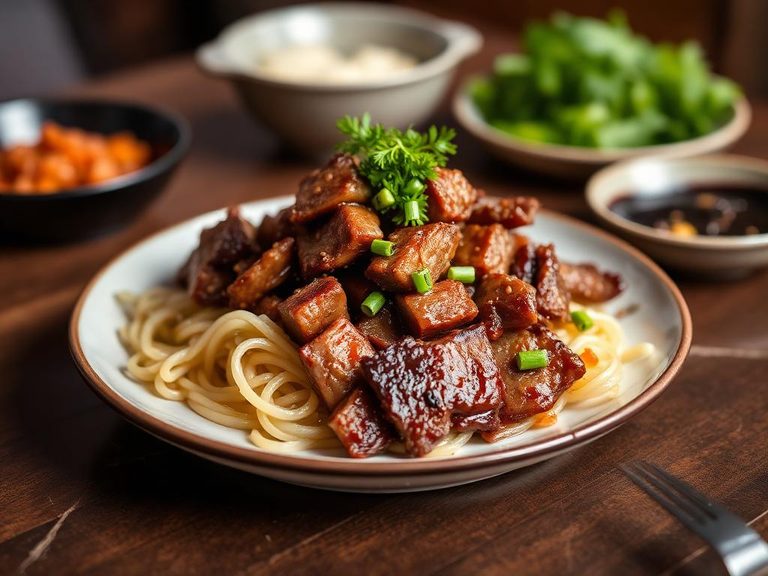
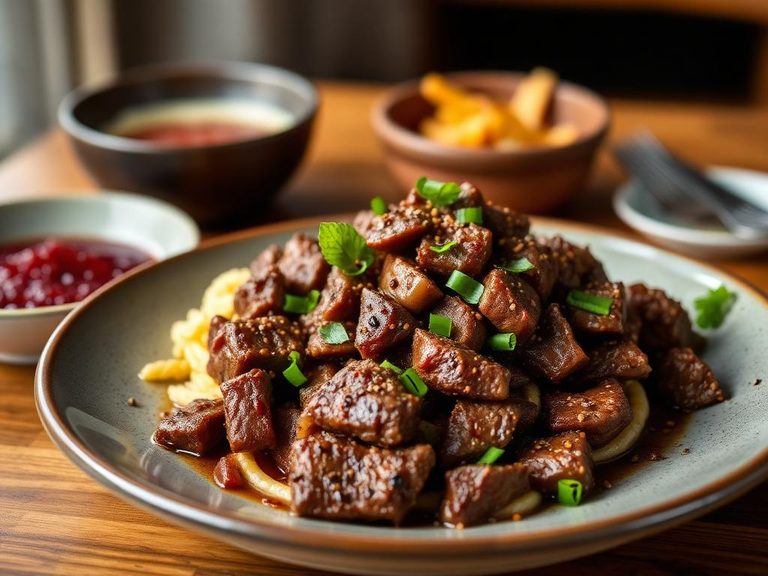
🌍 Where it's eaten
💡 Did you know?
Soy sauce, the key ingredient in this dish, was first developed in China over 2,000 years ago and was originally used as a way to preserve food.
Full nutrition (USDA data · scales with serving)
| Water | 67.0 g |
| Energy | 187 kcal |
| Protein | 15.9 g |
| Total lipid (fat) | 12.4 g |
| Carbohydrate, by difference | 3.4 g |
| Fiber, total dietary | 0.50 g |
| Total Sugars | 1.1 g |
| Calcium, Ca | 19.0 mg |
| Iron, Fe | 1.5 mg |
| Magnesium, Mg | 18.0 mg |
| Phosphorus, P | 115 mg |
| Potassium, K | 211 mg |
| Sodium, Na | 333 mg |
| Zinc, Zn | 2.6 mg |
| Copper, Cu | 0.06 mg |
| Selenium, Se | 15.8 ug |
| Vitamin C, total ascorbic acid | 2.3 mg |
| Thiamin | 0.05 mg |
| Riboflavin | 0.10 mg |
| Niacin | 2.9 mg |
| Vitamin B-6 | 0.26 mg |
| Folate, total | 12.0 ug |
| Folic acid | 0.00 ug |
| Folate, food | 12.0 ug |
| Folate, DFE | 12.0 ug |
| Choline, total | 59.9 mg |
| Vitamin B-12 | 0.84 ug |
| Vitamin B-12, added | 0.00 ug |
| Vitamin A, RAE | 3.0 ug |
| Retinol | 0.00 ug |
| Carotene, beta | 37.0 ug |
| Carotene, alpha | 0.00 ug |
| Cryptoxanthin, beta | 0.00 ug |
| Lycopene | 0.00 ug |
| Lutein + zeaxanthin | 71.0 ug |
| Vitamin E (alpha-tocopherol) | 1.8 mg |
| Vitamin E, added | 0.00 mg |
| Vitamin D (D2 + D3) | 0.00 ug |
| Vitamin K (phylloquinone) | 22.9 ug |
| Alcohol, ethyl | 0.00 g |
| Caffeine | 0.00 mg |
| Theobromine | 0.00 mg |
Fat & fatty acid profile (per 100g)
| Fatty acids, total saturated | 2.7 g |
| SFA 4:0 | 0.00 g |
| SFA 6:0 | 0.00 g |
| SFA 8:0 | 0.00 g |
| SFA 10:0 | 0.01 g |
| SFA 12:0 | 0.01 g |
| SFA 14:0 | 0.14 g |
| SFA 16:0 | 1.8 g |
| SFA 18:0 | 0.71 g |
| Fatty acids, total monounsaturated | 5.2 g |
| MUFA 16:1 | 0.21 g |
| MUFA 18:1 | 5.0 g |
| MUFA 20:1 | 0.06 g |
| MUFA 22:1 | 0.00 g |
| Fatty acids, total polyunsaturated | 3.3 g |
| PUFA 18:2 | 2.8 g |
| PUFA 18:3 | 0.39 g |
| PUFA 18:4 | 0.00 g |
| PUFA 20:4 | 0.01 g |
| PUFA 20:5 n-3 (EPA) | 0.00 g |
| PUFA 22:5 n-3 (DPA) | 0.01 g |
| PUFA 22:6 n-3 (DHA) | 0.00 g |
| Cholesterol | 43.0 mg |
FAQ
Is beef with soy-based sauce high in protein?
Yes, it provides 15.86g of protein per 100g, making it a good source of protein for muscle maintenance and satiety.
Can I make this dish low-sodium?
Yes, use low-sodium soy sauce or tamari, and reduce the amount of sauce used. Pair with fresh herbs and citrus to enhance flavor without adding salt.
What are good side dishes to pair with beef with soy-based sauce?
Serve with steamed rice, stir-fried vegetables, or a fresh salad to balance the rich, savory flavors and add fiber and nutrients.
Nutrient density (calculated · NRF9.3)
Nutrient Rich Foods index: beneficial nutrients (protein, fiber, vitamins, minerals) minus saturated fat, added sugar & sodium, per 100 kcal.
NRF9.3 index — Fulgoni, Keast & Drewnowski, 2009. Computed from USDA nutrients.
Weight-loss friendliness (composite index)
Energy density 1.87 kcal/g · 34% calories from protein · 0.5 g fiber · 1.1 g sugar per 100 g.
Composite of energy density (Rolls et al., 1999), protein & fiber satiety, minus sugar. A calculated heuristic — ranks satiety-per-calorie, not a clinical measure.
Dietary load (calculated from USDA values)
Potential renal acid load. Positive = acid-forming, negative = alkaline-forming.
Sodium-to-potassium ratio: 1.58 (lower is better — aim for ≤ 1)
Sodium:potassium per WHO potassium guidance. Computed from USDA nutrients.