

Beans, pinto, mature seeds, sprouted, raw
Whole food · Vegetables and Vegetable Products

Photo: Wikipedia
Sprouted pinto beans are the tender, newly germinated version of the classic speckled bean, offering a fresh, slightly nutty flavor and a crisp, juicy texture far removed from their cooked, mealy counterpart. Nutritionally, they are a low-calorie, protein-rich powerhouse, delivering over 5 grams of protein per 100 grams with virtually no fat. Their sprouting process makes nutrients more bioavailable and gives them a clean, vegetal taste perfect for raw applications.
Calorie split: 28% protein · 61% carbs · 11% fat
↓ Full nutrition💚 Why it's loved
People love sprouted pintos for their fresh, crunchy bite and mild, earthy flavor that acts as a versatile canvas in salads, wraps, and salsas. They are a staple in health-conscious and raw food cultures, valued for their nutrient density and quick preparation.
⚠️ Watch-outs & how to enjoy it better
As a raw legume, they contain natural lectins and oligosaccharides that can cause digestive discomfort (gas, bloating) in some individuals. To counteract this, start with small portions, chew thoroughly, or lightly steam them for 1-2 minutes to reduce these compounds while retaining crunch. They are also a common allergen for those with legume sensitivities.
Key benefits
- Excellent source of plant-based protein for muscle repair and satiety.
- Very low in calories, making them ideal for weight management.
- Sprouting increases bioavailability of vitamins like folate and vitamin C.
- Provides a good source of essential minerals like iron and manganese.
- Offers a crisp, hydrating texture without added sodium or fat.
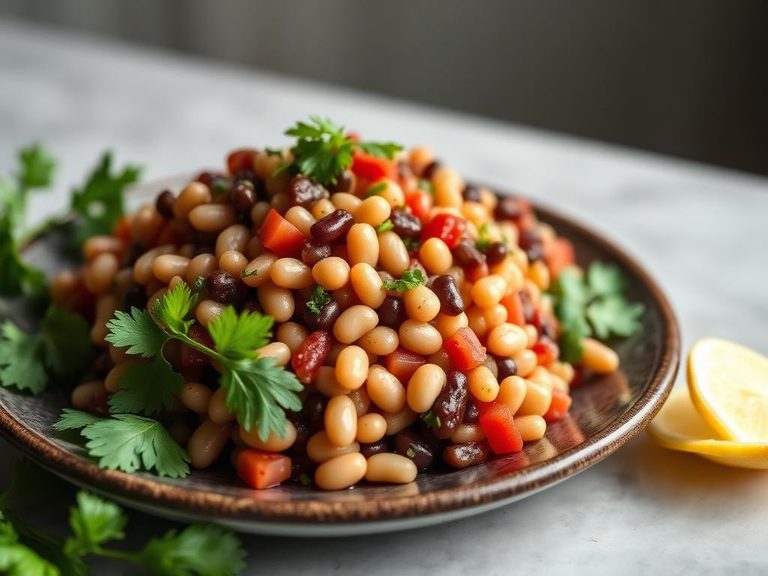
🍽️ Popular dishes
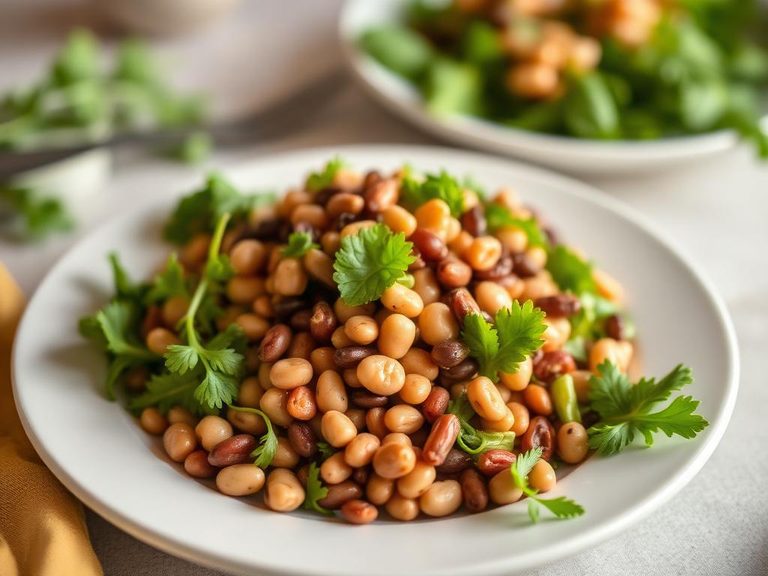
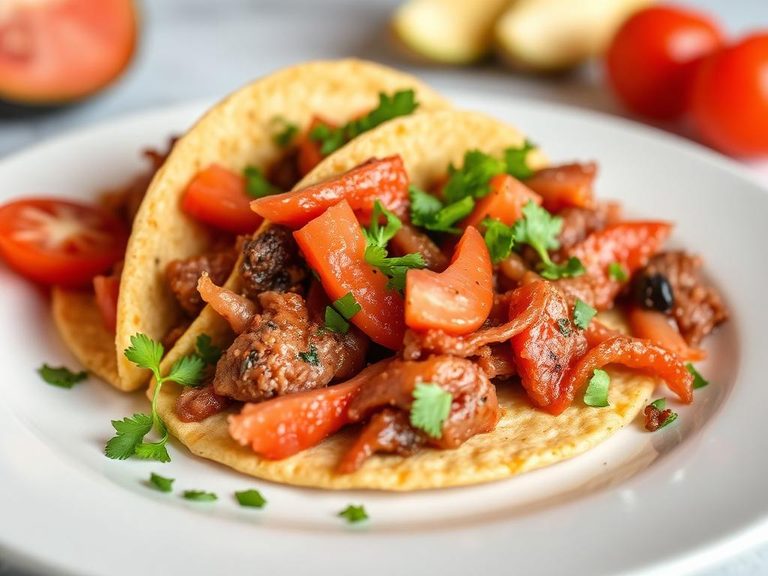
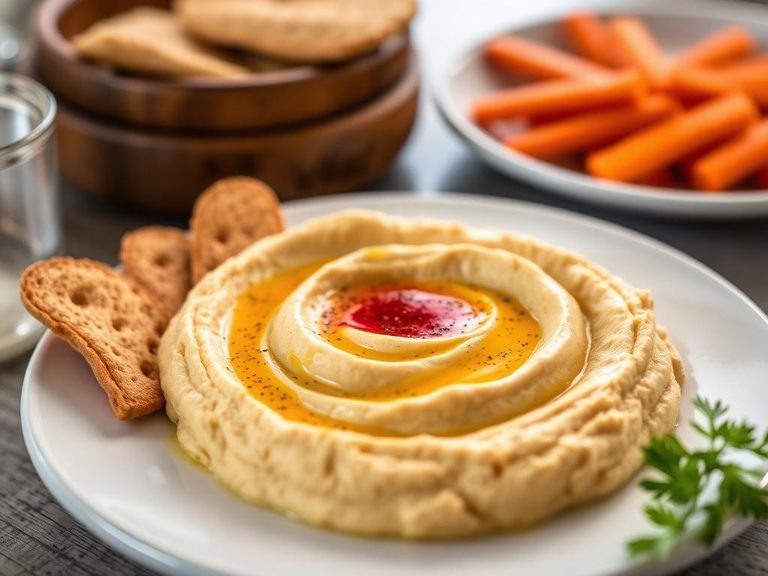
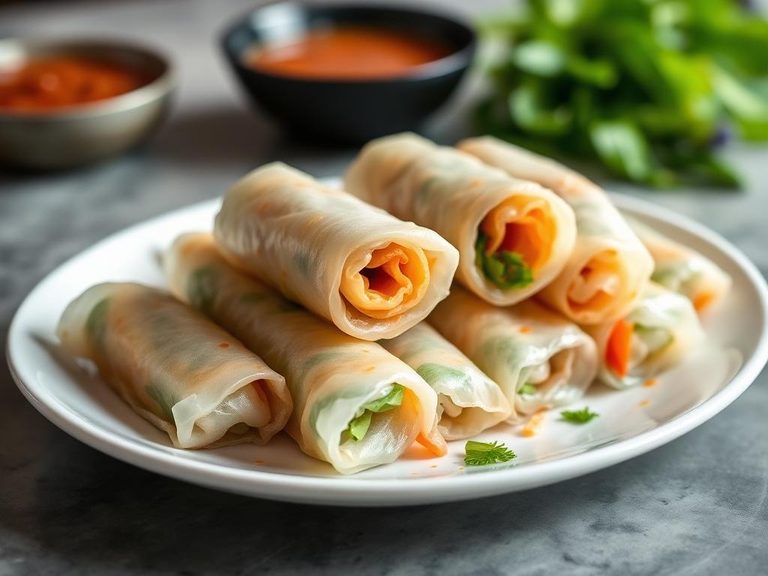
🌍 Where it's eaten
💡 Did you know?
The sprouting process can reduce the phytic acid in pintos by over 50%, which significantly improves the absorption of minerals like zinc and iron from the beans.
Full nutrition (USDA data · scales with serving)
| Water | 81.3 g |
| Energy | 62.0 kcal |
| Energy | 259 kj |
| Protein | 5.3 g |
| Total lipid (fat) | 0.90 g |
| Ash | 0.95 g |
| Carbohydrate, by difference | 11.6 g |
| Calcium, Ca | 43.0 mg |
| Iron, Fe | 2.0 mg |
| Magnesium, Mg | 53.0 mg |
| Phosphorus, P | 94.0 mg |
| Potassium, K | 307 mg |
| Sodium, Na | 153 mg |
| Zinc, Zn | 0.50 mg |
| Copper, Cu | 0.32 mg |
| Manganese, Mn | 0.37 mg |
| Selenium, Se | 0.60 ug |
| Vitamin C, total ascorbic acid | 21.7 mg |
| Thiamin | 0.23 mg |
| Riboflavin | 0.17 mg |
| Niacin | 2.3 mg |
| Pantothenic acid | 0.74 mg |
| Vitamin B-6 | 0.17 mg |
| Folate, total | 118 ug |
| Folic acid | 0.00 ug |
| Folate, food | 118 ug |
| Folate, DFE | 118 ug |
| Vitamin B-12 | 0.00 ug |
| Vitamin A, RAE | 0.00 ug |
| Retinol | 0.00 ug |
| Vitamin A, IU | 2.0 iu |
| Vitamin D (D2 + D3), International Units | 0.00 iu |
| Vitamin D (D2 + D3) | 0.00 ug |
Fat & fatty acid profile (per 100g)
| Fatty acids, total saturated | 0.11 g |
| SFA 16:0 | 0.10 g |
| SFA 18:0 | 0.01 g |
| Fatty acids, total monounsaturated | 0.07 g |
| MUFA 18:1 | 0.07 g |
| Fatty acids, total polyunsaturated | 0.52 g |
| PUFA 18:2 | 0.19 g |
| PUFA 18:3 | 0.33 g |
| Fatty acids, total trans | 0.00 g |
| Cholesterol | 0.00 mg |
Amino acid profile (per 100g)
| Tryptophan | 0.06 g |
| Threonine | 0.22 g |
| Isoleucine | 0.23 g |
| Leucine | 0.38 g |
| Lysine | 0.30 g |
| Methionine | 0.06 g |
| Cystine | 0.06 g |
| Phenylalanine | 0.27 g |
| Tyrosine | 0.18 g |
| Valine | 0.27 g |
| Arginine | 0.29 g |
| Histidine | 0.15 g |
| Alanine | 0.22 g |
| Aspartic acid | 0.68 g |
| Glutamic acid | 0.64 g |
| Glycine | 0.18 g |
| Proline | 0.21 g |
| Serine | 0.28 g |
FAQ
Can I eat these sprouted pinto beans raw?
Yes, they are specifically sold and prepared for raw consumption. Their sprouting makes them tender and digestible without cooking, unlike mature dry beans.
How do they differ from regular cooked pinto beans?
Sprouted pintos are raw, crisp, and mild-flavored with higher water content. Cooked pintos are soft, creamy, and have a deeper, earthier taste. Nutritionally, sprouting boosts certain vitamins while cooking reduces anti-nutrients.
How should I store them?
Keep them in a sealed container in the refrigerator, ideally lined with a paper towel to absorb excess moisture. Use within 3-5 days for best texture and freshness.
Nutrient density (calculated · NRF9.3)
Nutrient Rich Foods index: beneficial nutrients (protein, fiber, vitamins, minerals) minus saturated fat, added sugar & sodium, per 100 kcal.
NRF9.3 index — Fulgoni, Keast & Drewnowski, 2009. Computed from USDA nutrients.
Weight-loss friendliness (composite index)
Energy density 0.62 kcal/g · 34% calories from protein · 0.0 g fiber · 0.0 g sugar per 100 g.
Composite of energy density (Rolls et al., 1999), protein & fiber satiety, minus sugar. A calculated heuristic — ranks satiety-per-calorie, not a clinical measure.
Dietary load (calculated from USDA values)
Potential renal acid load. Positive = acid-forming, negative = alkaline-forming.
Sodium-to-potassium ratio: 0.50 (lower is better — aim for ≤ 1)
Sodium:potassium per WHO potassium guidance. Computed from USDA nutrients.