

Beans, navy, mature seeds, sprouted, raw
Whole food · Vegetables and Vegetable Products

Photo: Wikipedia
Sprouted navy beans are tender, young legumes with a fresh, slightly nutty flavor and a crisp, juicy texture. They are a low-calorie, protein-rich ingredient, offering 6.15g of protein per 100g, making them a nutritious addition to salads and stir-fries.
Calorie split: 30% protein · 63% carbs · 8% fat
↓ Full nutrition💚 Why it's loved
People love sprouted navy beans for their crunchy texture and mild, earthy taste that easily absorbs dressings and spices. They are a versatile, protein-packed addition to salads, wraps, and grain bowls, prized in health-conscious and traditional cuisines alike.
⚠️ Watch-outs & how to enjoy it better
Some individuals may experience digestive discomfort like bloating due to oligosaccharides, and sprouted beans can carry a risk of bacterial contamination if not handled properly. To counteract this, always rinse thoroughly, cook them if concerned, and start with small portions to assess tolerance.
Key benefits
- High in plant-based protein for muscle maintenance.
- Low in calories, supporting weight management.
- Rich in folate, essential for cell growth.
- Contains antioxidants that combat oxidative stress.
- Provides a good source of manganese for bone health.
🍽️ Popular dishes
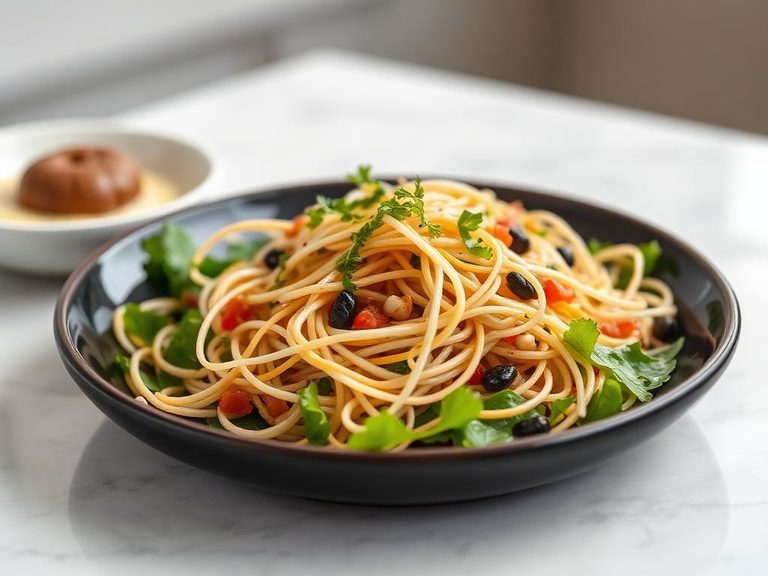
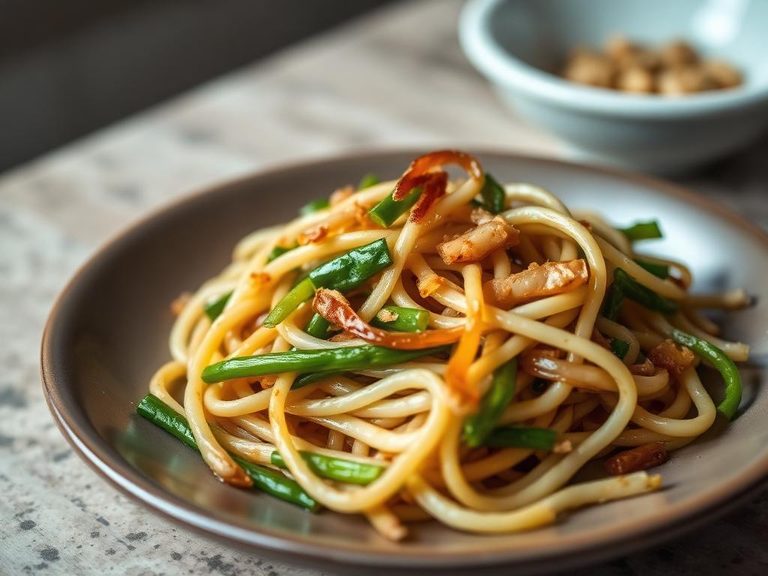
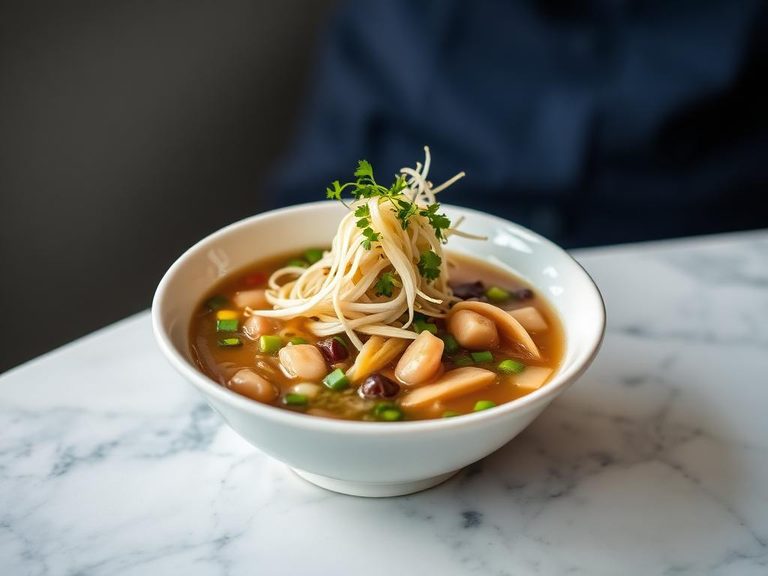
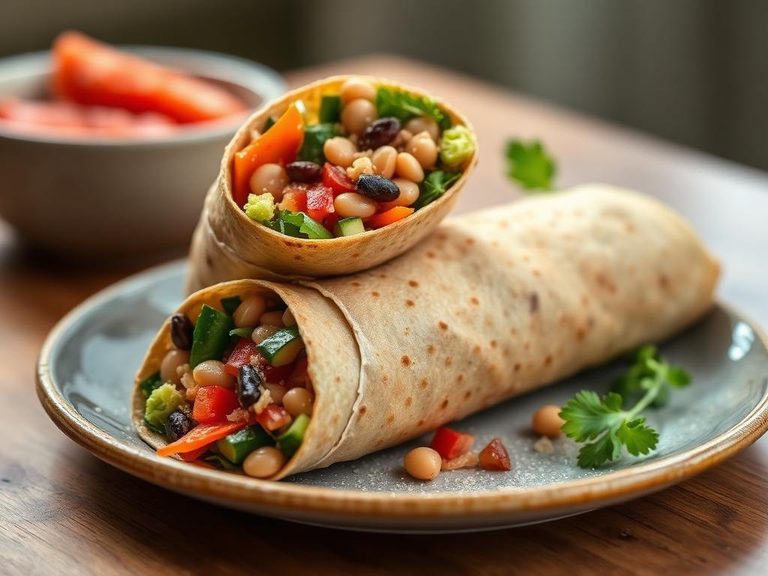
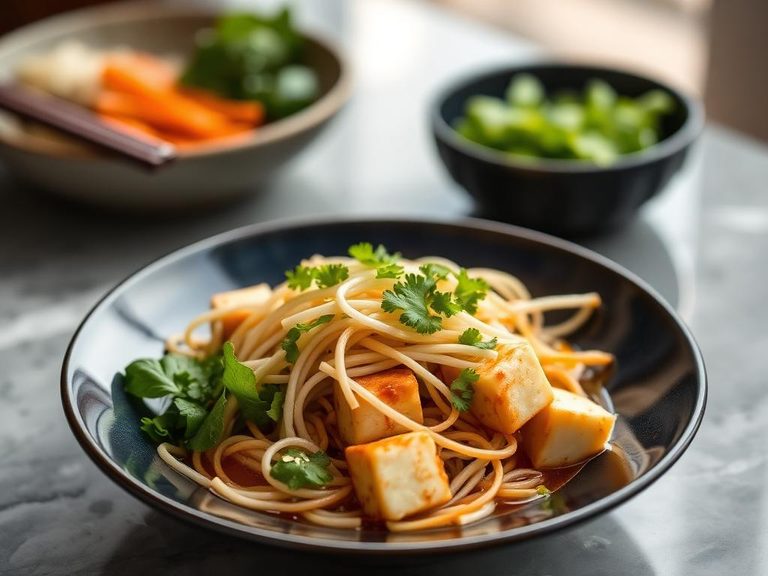
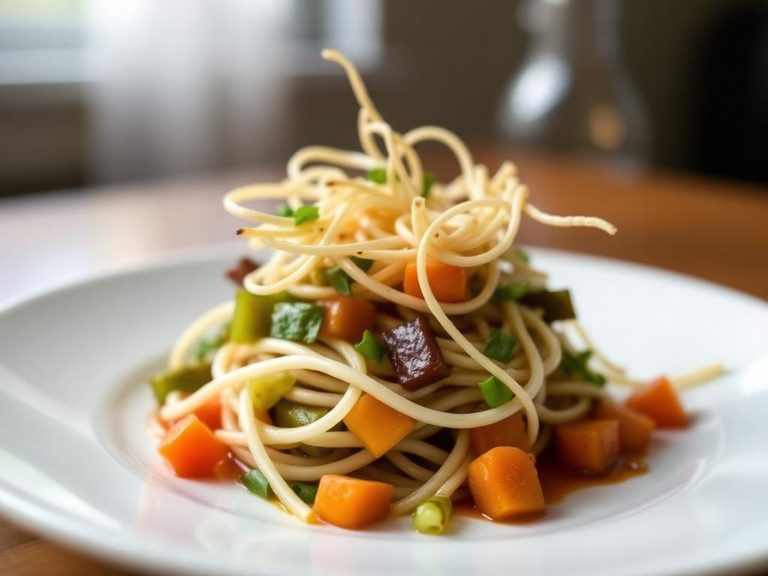
🌍 Where it's eaten
💡 Did you know?
Sprouting navy beans can increase their vitamin C content by up to 300%, a nutrient not typically found in mature beans.
Full nutrition (USDA data · scales with serving)
| Water | 79.2 g |
| Energy | 67.0 kcal |
| Energy | 280 kj |
| Protein | 6.2 g |
| Total lipid (fat) | 0.70 g |
| Ash | 0.95 g |
| Carbohydrate, by difference | 13.1 g |
| Calcium, Ca | 15.0 mg |
| Iron, Fe | 1.9 mg |
| Magnesium, Mg | 101 mg |
| Phosphorus, P | 100 mg |
| Potassium, K | 307 mg |
| Sodium, Na | 13.0 mg |
| Zinc, Zn | 0.89 mg |
| Copper, Cu | 0.36 mg |
| Manganese, Mn | 0.41 mg |
| Selenium, Se | 0.60 ug |
| Vitamin C, total ascorbic acid | 18.8 mg |
| Thiamin | 0.39 mg |
| Riboflavin | 0.21 mg |
| Niacin | 1.2 mg |
| Pantothenic acid | 0.82 mg |
| Vitamin B-6 | 0.19 mg |
| Folate, total | 132 ug |
| Folic acid | 0.00 ug |
| Folate, food | 132 ug |
| Folate, DFE | 132 ug |
| Vitamin B-12 | 0.00 ug |
| Vitamin A, RAE | 0.00 ug |
| Retinol | 0.00 ug |
| Vitamin A, IU | 4.0 iu |
| Vitamin D (D2 + D3), International Units | 0.00 iu |
| Vitamin D (D2 + D3) | 0.00 ug |
Fat & fatty acid profile (per 100g)
| Fatty acids, total saturated | 0.09 g |
| SFA 16:0 | 0.08 g |
| SFA 18:0 | 0.01 g |
| Fatty acids, total monounsaturated | 0.05 g |
| MUFA 18:1 | 0.05 g |
| Fatty acids, total polyunsaturated | 0.41 g |
| PUFA 18:2 | 0.15 g |
| PUFA 18:3 | 0.26 g |
| Fatty acids, total trans | 0.00 g |
| Cholesterol | 0.00 mg |
Amino acid profile (per 100g)
| Tryptophan | 0.06 g |
| Threonine | 0.26 g |
| Isoleucine | 0.27 g |
| Leucine | 0.44 g |
| Lysine | 0.35 g |
| Methionine | 0.06 g |
| Cystine | 0.07 g |
| Phenylalanine | 0.31 g |
| Tyrosine | 0.21 g |
| Valine | 0.32 g |
| Arginine | 0.34 g |
| Histidine | 0.17 g |
| Alanine | 0.26 g |
| Aspartic acid | 0.80 g |
| Glutamic acid | 0.75 g |
| Glycine | 0.21 g |
| Proline | 0.25 g |
| Serine | 0.33 g |
FAQ
Are sprouted navy beans safe to eat raw?
Yes, they are safe to eat raw when properly sprouted and rinsed, but cooking can improve digestibility and reduce any risk of bacterial contamination.
How do sprouted navy beans differ nutritionally from mature navy beans?
Sprouted navy beans have lower carbohydrate content, higher vitamin C, and increased antioxidant levels compared to mature navy beans.
Can sprouted navy beans be frozen?
Yes, they can be blanched and frozen for up to 6 months, though their texture may become slightly softer upon thawing.
Nutrient density (calculated · NRF9.3)
Nutrient Rich Foods index: beneficial nutrients (protein, fiber, vitamins, minerals) minus saturated fat, added sugar & sodium, per 100 kcal.
NRF9.3 index — Fulgoni, Keast & Drewnowski, 2009. Computed from USDA nutrients.
Weight-loss friendliness (composite index)
Energy density 0.67 kcal/g · 37% calories from protein · 0.0 g fiber · 0.0 g sugar per 100 g.
Composite of energy density (Rolls et al., 1999), protein & fiber satiety, minus sugar. A calculated heuristic — ranks satiety-per-calorie, not a clinical measure.
Dietary load (calculated from USDA values)
Potential renal acid load. Positive = acid-forming, negative = alkaline-forming.
Sodium-to-potassium ratio: 0.04 (lower is better — aim for ≤ 1)
Sodium:potassium per WHO potassium guidance. Computed from USDA nutrients.