

Beans, adzuki, mature seeds, raw
Whole food · Legumes and Legume Products

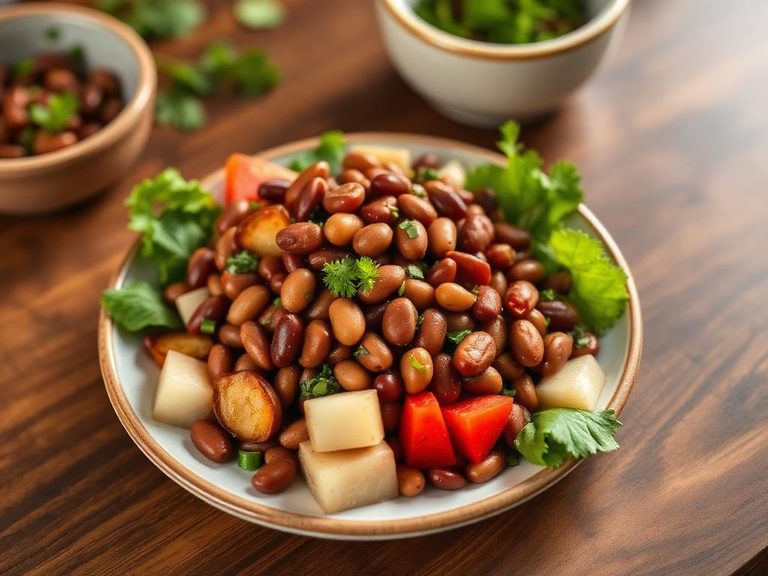
Photo: Wikipedia
Adzuki beans are small, glossy, deep-red legumes with a subtly sweet, nutty flavor and a creamy, slightly mealy texture when cooked. They are a nutritional powerhouse, packing nearly 20g of protein and over 12g of fiber per 100g of dry seeds, with virtually no fat.
Calorie split: 24% protein · 75% carbs · 1% fat
↓ Full nutrition💚 Why it's loved
People adore adzuki beans for their delicate, naturally sweet taste that pairs beautifully with both savory and sweet dishes, making them incredibly versatile. They are a cornerstone of East Asian cuisine, deeply embedded in cultural traditions and festive foods.
⚠️ Watch-outs & how to enjoy it better
Like all legumes, they contain oligosaccharides that can cause gas and bloating in some individuals. To counteract this, soak them thoroughly before cooking, discard the soaking water, and cook them until very tender. They also contain lectins, which are destroyed by proper boiling.
Key benefits
- Excellent source of plant-based protein
- High in dietary fiber for digestive health
- Rich in minerals like iron, potassium, and magnesium
- Naturally low in fat and sodium
- Contains folate and B vitamins
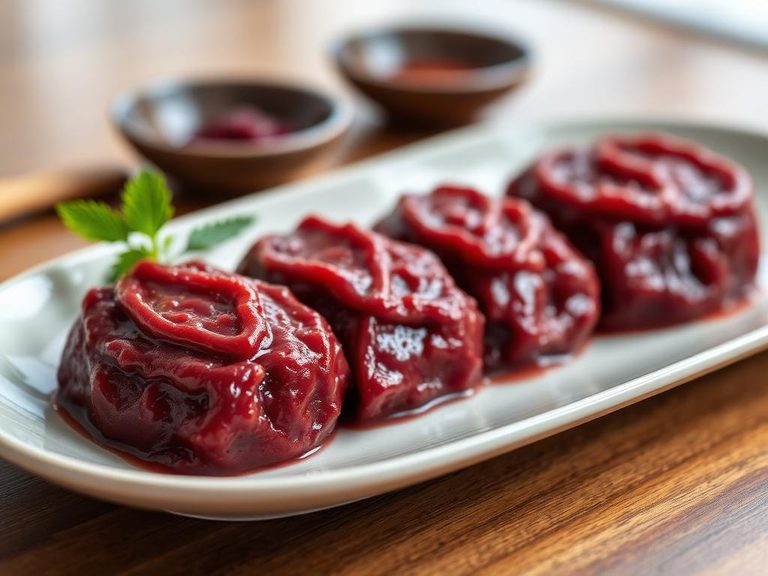
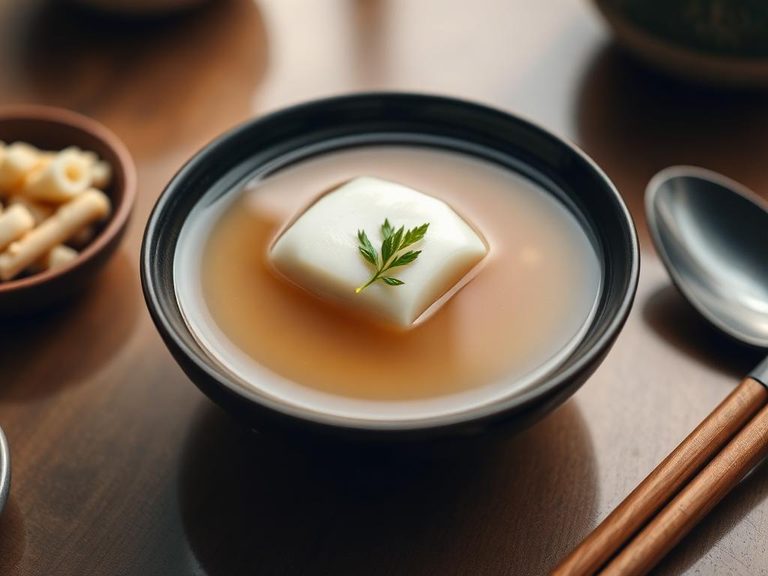
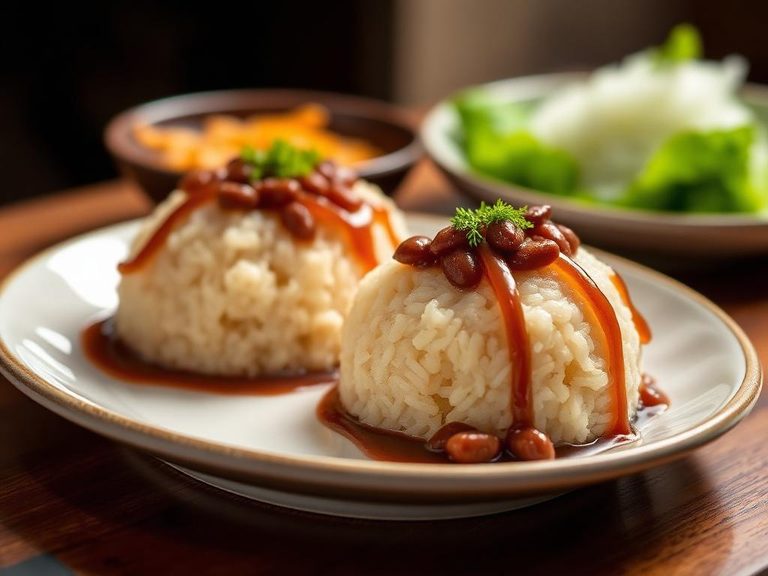
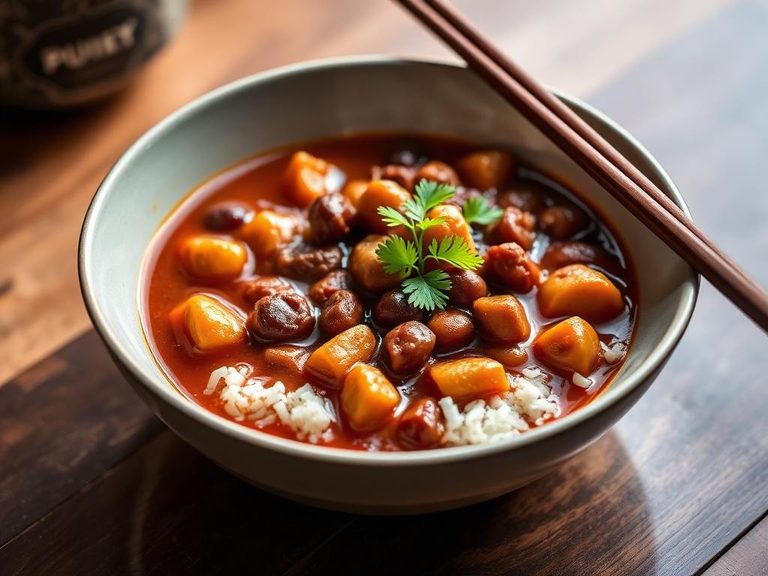
🍽️ Popular dishes

🌍 Where it's eaten
💡 Did you know?
In Japan, adzuki beans are traditionally thrown at demons during the Setsubun festival to ward off evil spirits, a practice called 'mamemaki'.
Full nutrition (USDA data · scales with serving)
| Water | 13.4 g |
| Energy | 329 kcal |
| Energy | 1377 kj |
| Protein | 19.9 g |
| Total lipid (fat) | 0.53 g |
| Ash | 3.3 g |
| Carbohydrate, by difference | 62.9 g |
| Fiber, total dietary | 12.7 g |
| Calcium, Ca | 66.0 mg |
| Iron, Fe | 5.0 mg |
| Magnesium, Mg | 127 mg |
| Phosphorus, P | 381 mg |
| Potassium, K | 1254 mg |
| Sodium, Na | 5.0 mg |
| Zinc, Zn | 5.0 mg |
| Copper, Cu | 1.1 mg |
| Manganese, Mn | 1.7 mg |
| Selenium, Se | 3.1 ug |
| Vitamin C, total ascorbic acid | 0.00 mg |
| Thiamin | 0.46 mg |
| Riboflavin | 0.22 mg |
| Niacin | 2.6 mg |
| Pantothenic acid | 1.5 mg |
| Vitamin B-6 | 0.35 mg |
| Folate, total | 622 ug |
| Folic acid | 0.00 ug |
| Folate, food | 622 ug |
| Folate, DFE | 622 ug |
| Vitamin B-12 | 0.00 ug |
| Vitamin A, RAE | 1.0 ug |
| Retinol | 0.00 ug |
| Vitamin A, IU | 17.0 iu |
| Vitamin D (D2 + D3), International Units | 0.00 iu |
| Vitamin D (D2 + D3) | 0.00 ug |
Fat & fatty acid profile (per 100g)
| Fatty acids, total saturated | 0.19 g |
| Fatty acids, total monounsaturated | 0.05 g |
| MUFA 18:1 | 0.05 g |
| Fatty acids, total polyunsaturated | 0.11 g |
| PUFA 18:2 | 0.11 g |
| Fatty acids, total trans | 0.00 g |
| Cholesterol | 0.00 mg |
| Phytosterols | 76.0 mg |
Amino acid profile (per 100g)
| Tryptophan | 0.19 g |
| Threonine | 0.67 g |
| Isoleucine | 0.79 g |
| Leucine | 1.7 g |
| Lysine | 1.5 g |
| Methionine | 0.21 g |
| Cystine | 0.18 g |
| Phenylalanine | 1.1 g |
| Tyrosine | 0.59 g |
| Valine | 1.0 g |
| Arginine | 1.3 g |
| Histidine | 0.52 g |
| Alanine | 1.2 g |
| Aspartic acid | 2.4 g |
| Glutamic acid | 3.1 g |
| Glycine | 0.76 g |
| Proline | 0.87 g |
| Serine | 0.98 g |
FAQ
What's the difference between adzuki and red kidney beans?
Adzuki beans are much smaller, rounder, and have a distinctively sweet flavor. Kidney beans are larger, kidney-shaped, and have a more robust, earthy taste. They are not interchangeable in recipes.
Do I need to soak adzuki beans?
Soaking is recommended but not strictly mandatory. A 4-8 hour soak reduces cooking time and can improve digestibility by helping to break down gas-causing compounds.
How do I make sweet red bean paste (anko)?
Simmer soaked adzuki beans in water until very soft, drain, then mash or blend with sugar. The texture can range from smooth (koshian) to chunky (tsubuan).
Nutrient density (calculated · NRF9.3)
Nutrient Rich Foods index: beneficial nutrients (protein, fiber, vitamins, minerals) minus saturated fat, added sugar & sodium, per 100 kcal.
NRF9.3 index — Fulgoni, Keast & Drewnowski, 2009. Computed from USDA nutrients.
Weight-loss friendliness (composite index)
Energy density 3.29 kcal/g · 24% calories from protein · 12.7 g fiber · 0.0 g sugar per 100 g.
Composite of energy density (Rolls et al., 1999), protein & fiber satiety, minus sugar. A calculated heuristic — ranks satiety-per-calorie, not a clinical measure.
Dietary load (calculated from USDA values)
Potential renal acid load. Positive = acid-forming, negative = alkaline-forming.
Sodium-to-potassium ratio: 0.00 (lower is better — aim for ≤ 1)
Sodium:potassium per WHO potassium guidance. Computed from USDA nutrients.