

Alfalfa sprouts, raw
Common food

Photo: Wikipedia
Alfalfa sprouts are the tender, young shoots of the alfalfa plant, prized for their delicate, crisp texture and a mild, slightly nutty, and fresh flavor. Nutritionally, they are exceptionally low in calories yet surprisingly dense in protein (3.99g per 100g) and fiber, making them a lightweight yet nutrient-rich addition to meals. Their vibrant green color and crunchy bite add a fresh, lively element to any dish.
Calorie split: 52% protein · 27% carbs · 20% fat
↓ Full nutrition💚 Why it's loved
People love alfalfa sprouts for their satisfying crunch and fresh, clean taste that enhances without overpowering other ingredients. They are a versatile staple in health-conscious cooking, easily added to sandwiches, salads, and wraps for a quick nutrient boost.
⚠️ Watch-outs & how to enjoy it better
Due to their raw, moist nature, alfalfa sprouts can harbor bacteria like Salmonella, so individuals with compromised immune systems should avoid them or ensure they are thoroughly washed and sourced from reputable suppliers. To mitigate any potential digestive discomfort from their fiber content, start with small portions and ensure adequate water intake. Pairing them with a protein or healthy fat (like in a sandwich with turkey and avocado) can also help balance blood sugar response.
Key benefits
- High in protein relative to its calorie count
- Excellent source of dietary fiber (1.9g per 100g)
- Very low in calories (23 kcal per 100g)
- Rich in vitamins K and C
- Contains a variety of antioxidants and phytonutrients
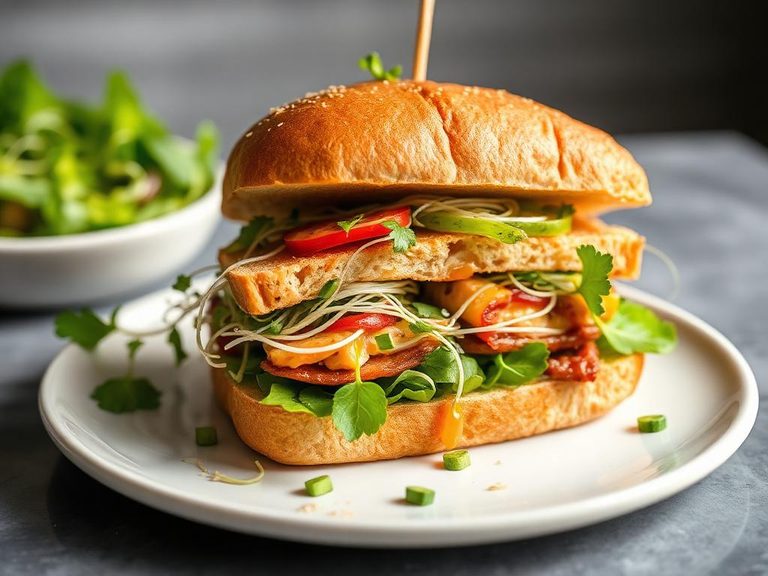
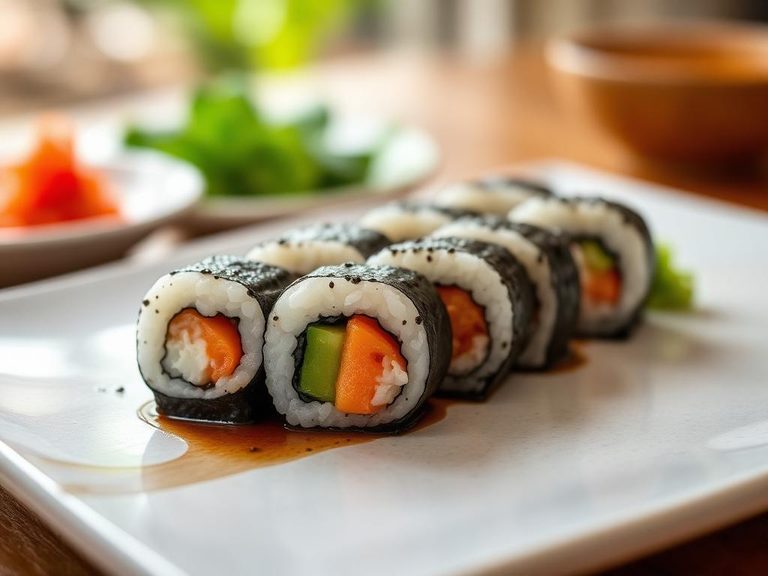
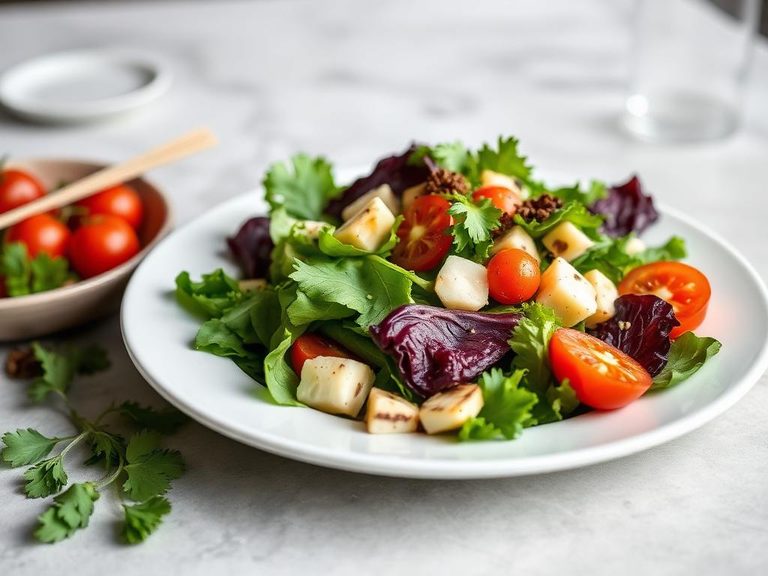
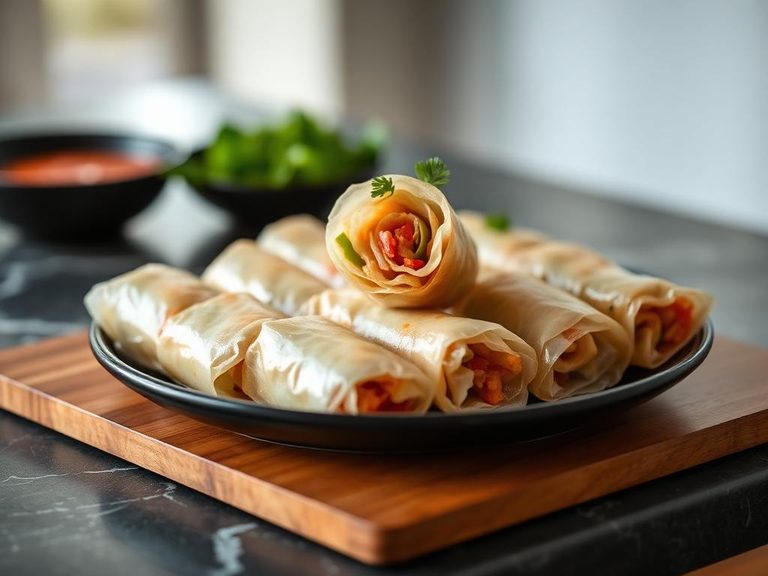
🍽️ Popular dishes
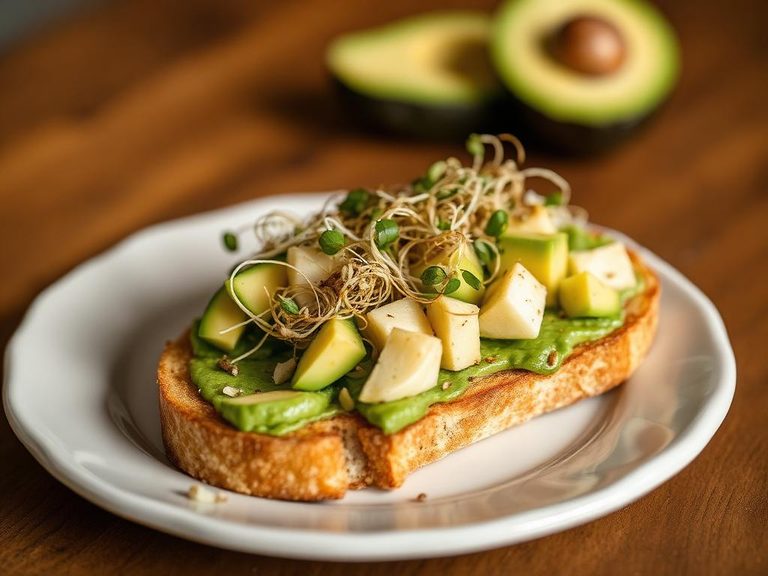
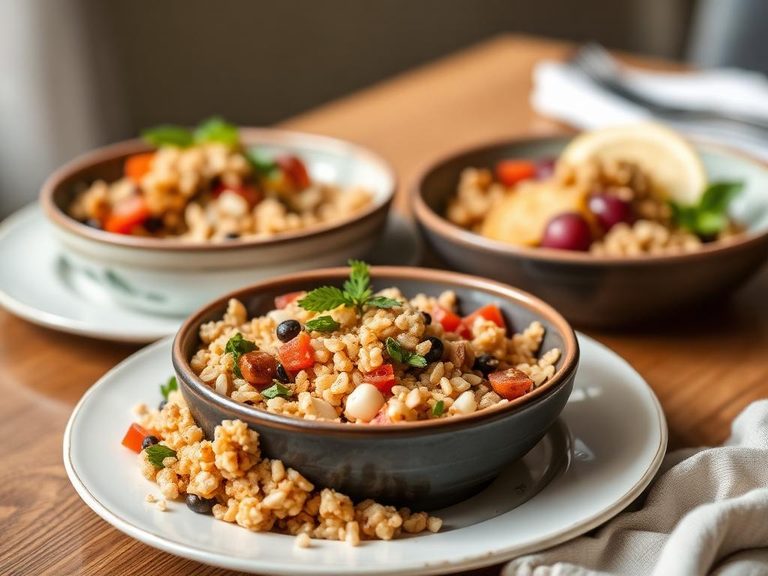
🌍 Where it's eaten
💡 Did you know?
Alfalfa sprouts were once considered a 'miracle food' in the 1970s health food movement, and their name comes from the Arabic 'al-fal-fa,' meaning 'father of all foods.'
Full nutrition (USDA data · scales with serving)
| Water | 92.8 g |
| Energy | 23.0 kcal |
| Protein | 4.0 g |
| Total lipid (fat) | 0.69 g |
| Carbohydrate, by difference | 2.1 g |
| Fiber, total dietary | 1.9 g |
| Total Sugars | 0.20 g |
| Calcium, Ca | 32.0 mg |
| Iron, Fe | 0.96 mg |
| Magnesium, Mg | 27.0 mg |
| Phosphorus, P | 70.0 mg |
| Potassium, K | 79.0 mg |
| Sodium, Na | 6.0 mg |
| Zinc, Zn | 0.92 mg |
| Copper, Cu | 0.16 mg |
| Selenium, Se | 0.60 ug |
| Vitamin C, total ascorbic acid | 8.2 mg |
| Thiamin | 0.08 mg |
| Riboflavin | 0.13 mg |
| Niacin | 0.48 mg |
| Vitamin B-6 | 0.03 mg |
| Folate, total | 36.0 ug |
| Folic acid | 0.00 ug |
| Folate, food | 36.0 ug |
| Folate, DFE | 36.0 ug |
| Choline, total | 14.4 mg |
| Vitamin B-12 | 0.00 ug |
| Vitamin B-12, added | 0.00 ug |
| Vitamin A, RAE | 8.0 ug |
| Retinol | 0.00 ug |
| Carotene, beta | 87.0 ug |
| Carotene, alpha | 6.0 ug |
| Cryptoxanthin, beta | 6.0 ug |
| Lycopene | 0.00 ug |
| Lutein + zeaxanthin | 0.00 ug |
| Vitamin E (alpha-tocopherol) | 0.02 mg |
| Vitamin E, added | 0.00 mg |
| Vitamin D (D2 + D3) | 0.00 ug |
| Vitamin K (phylloquinone) | 30.5 ug |
| Alcohol, ethyl | 0.00 g |
| Caffeine | 0.00 mg |
| Theobromine | 0.00 mg |
Fat & fatty acid profile (per 100g)
| Fatty acids, total saturated | 0.07 g |
| SFA 4:0 | 0.00 g |
| SFA 6:0 | 0.00 g |
| SFA 8:0 | 0.00 g |
| SFA 10:0 | 0.00 g |
| SFA 12:0 | 0.00 g |
| SFA 14:0 | 0.00 g |
| SFA 16:0 | 0.06 g |
| SFA 18:0 | 0.01 g |
| Fatty acids, total monounsaturated | 0.06 g |
| MUFA 16:1 | 0.00 g |
| MUFA 18:1 | 0.06 g |
| MUFA 20:1 | 0.00 g |
| MUFA 22:1 | 0.00 g |
| Fatty acids, total polyunsaturated | 0.41 g |
| PUFA 18:2 | 0.23 g |
| PUFA 18:3 | 0.17 g |
| PUFA 18:4 | 0.00 g |
| PUFA 20:4 | 0.00 g |
| PUFA 20:5 n-3 (EPA) | 0.00 g |
| PUFA 22:5 n-3 (DPA) | 0.00 g |
| PUFA 22:6 n-3 (DHA) | 0.00 g |
| Cholesterol | 0.00 mg |
FAQ
Are alfalfa sprouts safe to eat raw?
Yes, they are commonly eaten raw, but due to the risk of bacterial contamination, it's crucial to purchase them from a reputable source and wash them thoroughly before consumption. People with weakened immune systems should be particularly cautious.
How do alfalfa sprouts differ from other sprouts?
Alfalfa sprouts are typically finer and more delicate than other sprouts like mung bean or broccoli sprouts, with a milder, nuttier flavor and a lighter, crunchier texture.
Can I grow alfalfa sprouts at home?
Yes, they are one of the easiest sprouts to grow at home. Simply soak the seeds for 8-12 hours, then rinse and drain them twice daily in a jar with a mesh lid, and they'll be ready to eat in 3-5 days.
Nutrient density (calculated · NRF9.3)
Nutrient Rich Foods index: beneficial nutrients (protein, fiber, vitamins, minerals) minus saturated fat, added sugar & sodium, per 100 kcal.
NRF9.3 index — Fulgoni, Keast & Drewnowski, 2009. Computed from USDA nutrients.
Weight-loss friendliness (composite index)
Energy density 0.23 kcal/g · 69% calories from protein · 1.9 g fiber · 0.2 g sugar per 100 g.
Composite of energy density (Rolls et al., 1999), protein & fiber satiety, minus sugar. A calculated heuristic — ranks satiety-per-calorie, not a clinical measure.
Dietary load (calculated from USDA values)
Potential renal acid load. Positive = acid-forming, negative = alkaline-forming.
Sodium-to-potassium ratio: 0.08 (lower is better — aim for ≤ 1)
Sodium:potassium per WHO potassium guidance. Computed from USDA nutrients.