

Agave liquid sweetener
Common food

Photo: Wikipedia
Agave liquid sweetener is a viscous, amber syrup derived from the sap of the agave plant, offering a clean, neutral sweetness that's about 1.5 times sweeter than table sugar. Its smooth, pourable texture makes it a popular natural alternative for sweetening beverages and dressings. Nutritionally, it is a concentrated source of carbohydrates, with nearly 76g per 100g, and is composed almost entirely of simple sugars.
Calorie split: 0% protein · 99% carbs · 1% fat
↓ Full nutrition💚 Why it's loved
People love agave for its mild, clean taste that sweetens without adding a distinct flavor, making it a versatile staple in both sweet and savory recipes. Its liquid form is especially prized for seamlessly blending into cold drinks, smoothies, and salad vinaigrettes.
⚠️ Watch-outs & how to enjoy it better
Despite its natural image, agave is very high in fructose (up to 90%), which can contribute to elevated triglycerides and insulin resistance if consumed in excess. To counteract this, use it sparingly, always pair it with fiber, protein, or healthy fats in a meal to slow absorption, and treat it as an occasional sweetener rather than a daily staple.
Key benefits
- High solubility, dissolves easily in cold liquids
- Low glycemic index compared to table sugar
- Vegan alternative to honey
- Neutral flavor profile doesn't overpower other ingredients
- High fructose content provides intense sweetness
🍽️ Popular dishes
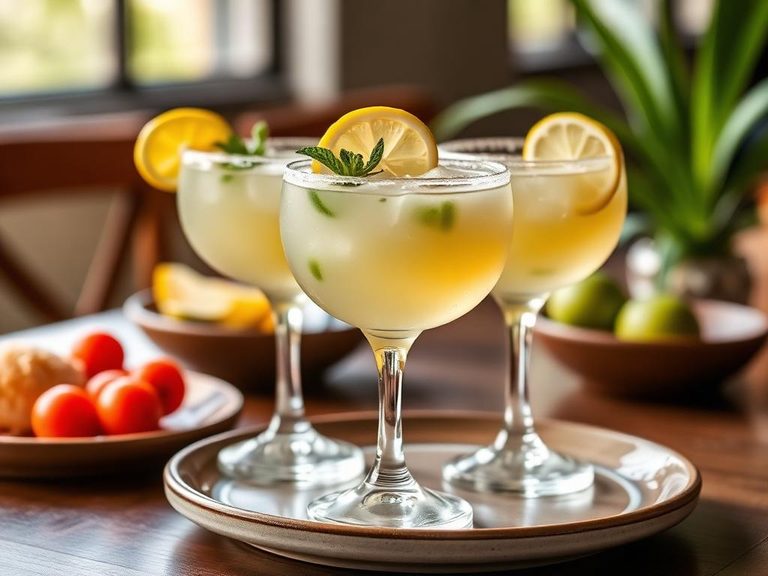
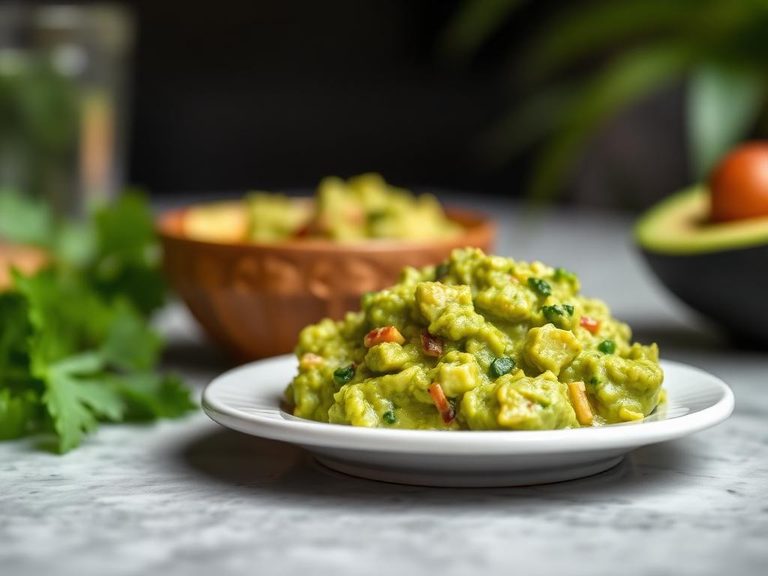
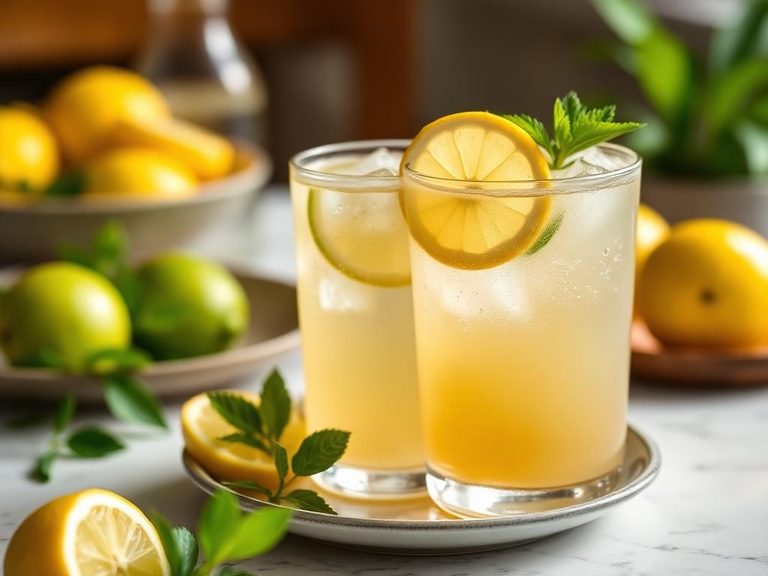
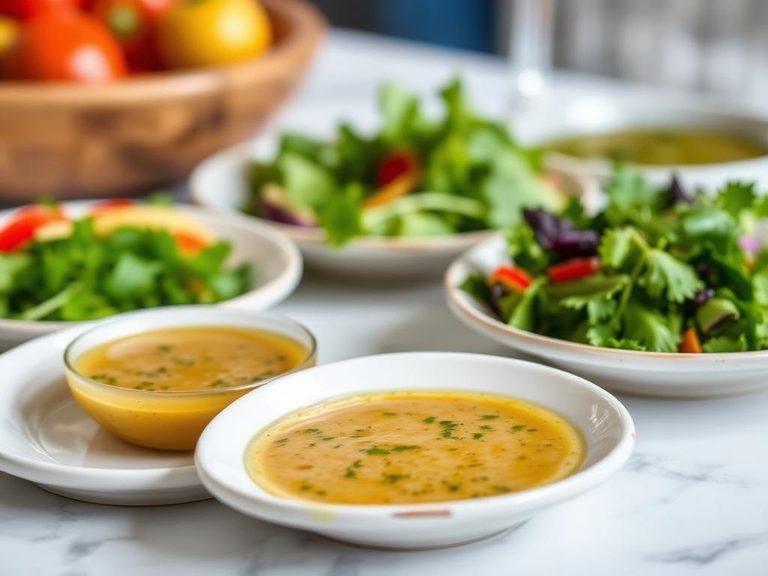
🌍 Where it's eaten
💡 Did you know?
The blue agave plant, the primary source for this sweetener, takes about 8-12 years to mature and can only be harvested once in its lifetime.
Full nutrition (USDA data · scales with serving)
| Water | 22.9 g |
| Energy | 310 kcal |
| Protein | 0.09 g |
| Total lipid (fat) | 0.45 g |
| Carbohydrate, by difference | 76.4 g |
| Fiber, total dietary | 0.20 g |
| Total Sugars | 68.0 g |
| Calcium, Ca | 1.0 mg |
| Iron, Fe | 0.09 mg |
| Magnesium, Mg | 1.0 mg |
| Phosphorus, P | 1.0 mg |
| Potassium, K | 4.0 mg |
| Sodium, Na | 4.0 mg |
| Zinc, Zn | 0.01 mg |
| Copper, Cu | 0.01 mg |
| Selenium, Se | 1.7 ug |
| Vitamin C, total ascorbic acid | 17.0 mg |
| Thiamin | 0.12 mg |
| Riboflavin | 0.17 mg |
| Niacin | 0.69 mg |
| Vitamin B-6 | 0.23 mg |
| Folate, total | 30.0 ug |
| Folic acid | 0.00 ug |
| Folate, food | 30.0 ug |
| Folate, DFE | 30.0 ug |
| Choline, total | 13.3 mg |
| Vitamin B-12 | 0.00 ug |
| Vitamin B-12, added | 0.00 ug |
| Vitamin A, RAE | 8.0 ug |
| Retinol | 0.00 ug |
| Carotene, beta | 94.0 ug |
| Carotene, alpha | 0.00 ug |
| Cryptoxanthin, beta | 0.00 ug |
| Lycopene | 0.00 ug |
| Lutein + zeaxanthin | 0.00 ug |
| Vitamin E (alpha-tocopherol) | 0.98 mg |
| Vitamin E, added | 0.00 mg |
| Vitamin D (D2 + D3) | 0.00 ug |
| Vitamin K (phylloquinone) | 22.5 ug |
| Alcohol, ethyl | 0.00 g |
| Caffeine | 0.00 mg |
| Theobromine | 0.00 mg |
Fat & fatty acid profile (per 100g)
| Fatty acids, total saturated | 0.00 g |
| SFA 4:0 | 0.00 g |
| SFA 6:0 | 0.00 g |
| SFA 8:0 | 0.00 g |
| SFA 10:0 | 0.00 g |
| SFA 12:0 | 0.00 g |
| SFA 14:0 | 0.00 g |
| SFA 16:0 | 0.00 g |
| SFA 18:0 | 0.00 g |
| Fatty acids, total monounsaturated | 0.00 g |
| MUFA 16:1 | 0.00 g |
| MUFA 18:1 | 0.00 g |
| MUFA 20:1 | 0.00 g |
| MUFA 22:1 | 0.00 g |
| Fatty acids, total polyunsaturated | 0.00 g |
| PUFA 18:2 | 0.00 g |
| PUFA 18:3 | 0.00 g |
| PUFA 18:4 | 0.00 g |
| PUFA 20:4 | 0.00 g |
| PUFA 20:5 n-3 (EPA) | 0.00 g |
| PUFA 22:5 n-3 (DPA) | 0.00 g |
| PUFA 22:6 n-3 (DHA) | 0.00 g |
| Cholesterol | 0.00 mg |
FAQ
Is agave nectar healthier than sugar or honey?
Agave has a lower glycemic index, meaning it causes a slower rise in blood sugar. However, its extremely high fructose content means it should be used in strict moderation, as excess fructose is processed by the liver and can contribute to metabolic issues.
Can I bake with agave liquid sweetener?
Yes, but it's not a 1:1 swap for sugar. Agave is liquid and sweeter, so you'll need to reduce other liquids in the recipe and lower the overall sweetener amount by about 25-30%. It also promotes browning, so lower your oven temperature by 25°F (about 15°C).
What's the difference between light, amber, and dark agave?
The color and flavor intensity increase with processing. Light agave has a neutral taste, amber has a mild caramel flavor, and dark agave has a strong, robust taste, making each suitable for different culinary applications.
Nutrient density (calculated · NRF9.3)
Nutrient Rich Foods index: beneficial nutrients (protein, fiber, vitamins, minerals) minus saturated fat, added sugar & sodium, per 100 kcal.
NRF9.3 index — Fulgoni, Keast & Drewnowski, 2009. Computed from USDA nutrients.
Weight-loss friendliness (composite index)
Energy density 3.10 kcal/g · 0% calories from protein · 0.2 g fiber · 68.0 g sugar per 100 g.
Composite of energy density (Rolls et al., 1999), protein & fiber satiety, minus sugar. A calculated heuristic — ranks satiety-per-calorie, not a clinical measure.
Dietary load (calculated from USDA values)
Potential renal acid load. Positive = acid-forming, negative = alkaline-forming.
Sodium-to-potassium ratio: 1.00 (lower is better — aim for ≤ 1)
Sodium:potassium per WHO potassium guidance. Computed from USDA nutrients.