Peanuts, virginia, oil-roasted, without salt
Whole food · Legumes and Legume Products

Photo: Wikipedia
These are Virginia peanuts, a large, crunchy variety, dry-roasted in their own oil without any added salt. They offer a deep, nutty, slightly sweet flavor with a satisfying, firm bite. Nutritionally, they are a powerhouse, delivering nearly 50g of healthy fats and over 25g of protein per 100g.
💚 Why it's loved
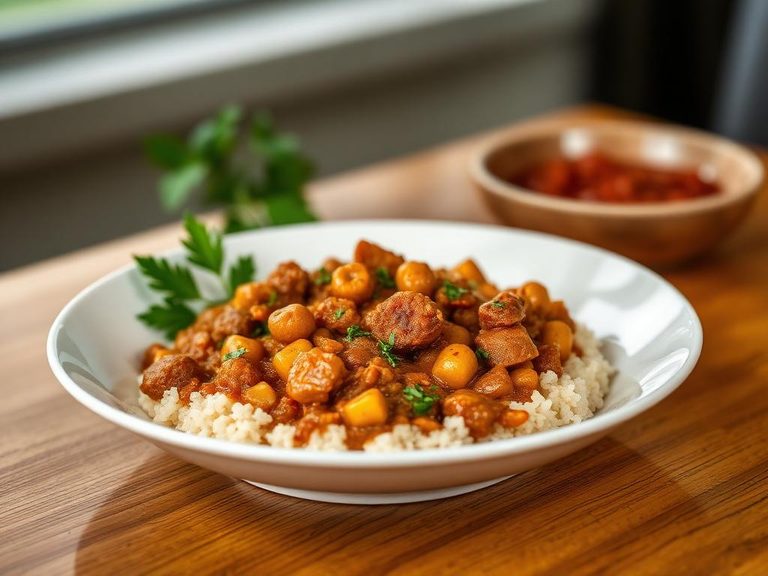
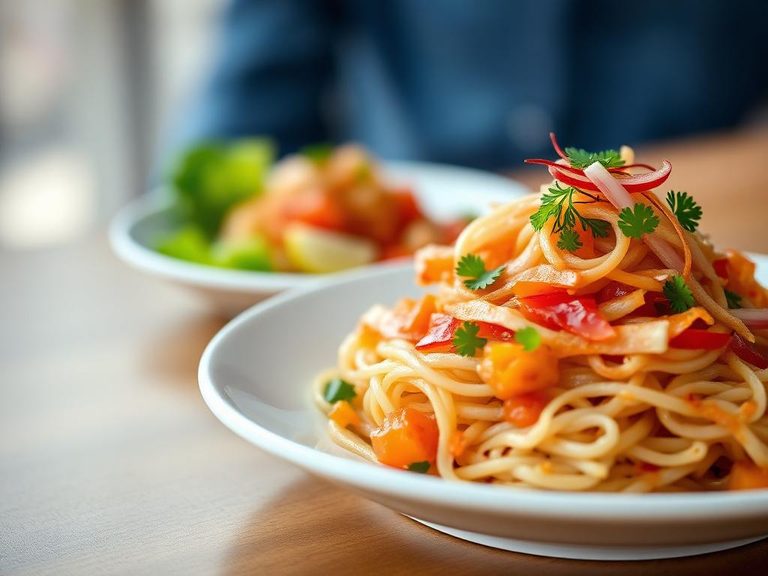
People love them for their robust, pure peanut flavor and satisfying crunch that isn't masked by salt. They are a versatile staple, enjoyed as a standalone snack, a crunchy topping, or a base for sauces.
⚠️ Watch-outs & how to enjoy it better
As a common allergen, they are unsafe for those with peanut allergies. Their high calorie density can lead to overconsumption, so portion control is key. To counteract, measure servings (e.g., a handful) and pair with high-fiber foods like apples to enhance satiety.
Key benefits
- Excellent source of plant-based protein for muscle maintenance.
- Rich in heart-healthy monounsaturated fats.
- Provides dietary fiber to support digestive health.
- Naturally sodium-free, supporting healthy blood pressure.
- Contains essential minerals like magnesium and niacin.
🍽️ Popular dishes
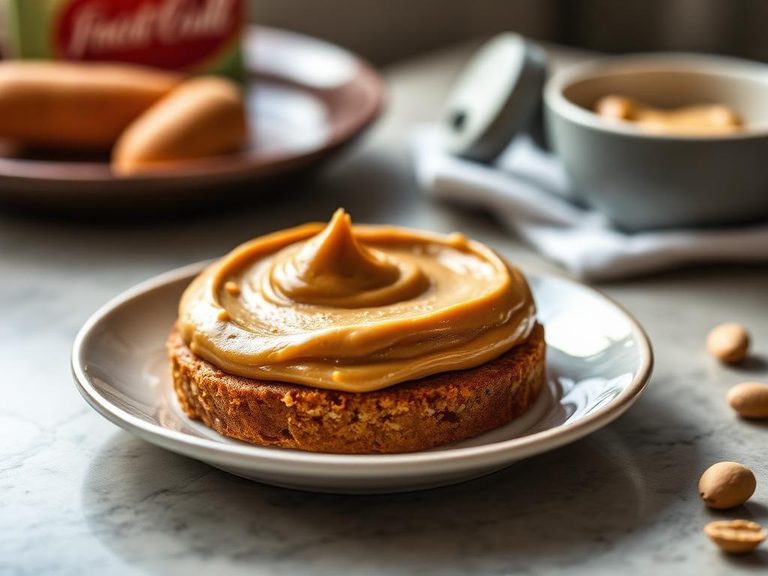
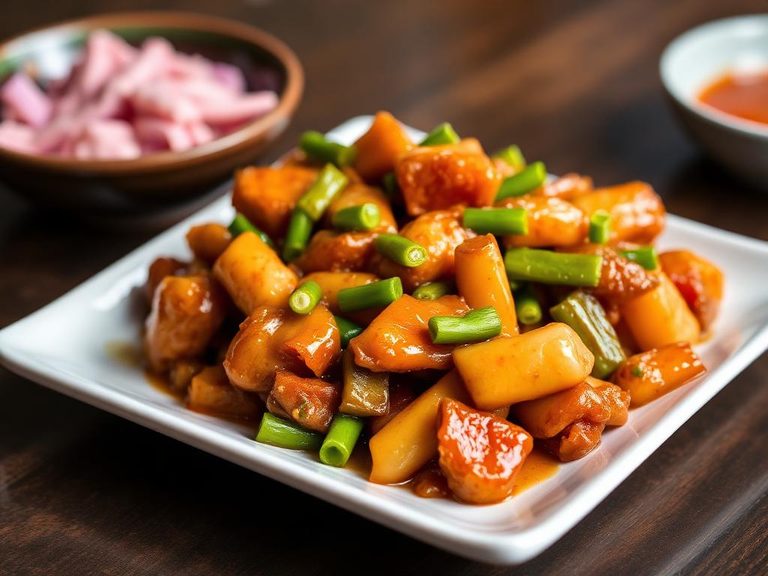
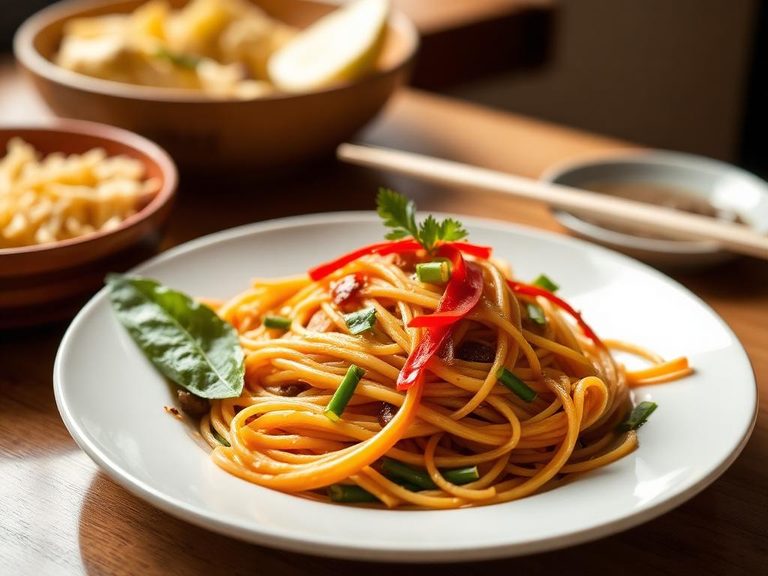
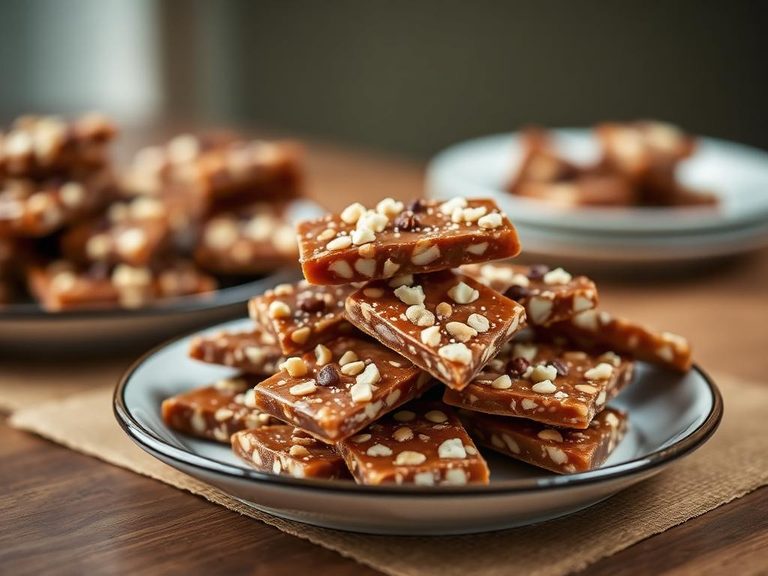
🌍 Where it's eaten
💡 Did you know?
Virginia peanuts are known as the 'ballpark peanut' because their large size and attractive appearance make them ideal for roasting in the shell for sale at sporting events.
Full nutrition (scales with serving)
| Water | 2.2 g |
| Energy | 578 kcal |
| Energy | 2418 kj |
| Protein | 25.9 g |
| Total lipid (fat) | 48.6 g |
| Ash | 3.5 g |
| Carbohydrate, by difference | 19.9 g |
| Fiber, total dietary | 8.9 g |
| Calcium, Ca | 86.0 mg |
| Iron, Fe | 1.7 mg |
| Magnesium, Mg | 188 mg |
| Phosphorus, P | 506 mg |
| Potassium, K | 652 mg |
| Sodium, Na | 6.0 mg |
| Zinc, Zn | 6.6 mg |
| Copper, Cu | 1.3 mg |
| Manganese, Mn | 2.0 mg |
| Selenium, Se | 7.5 ug |
| Vitamin C, total ascorbic acid | 0.00 mg |
| Thiamin | 0.28 mg |
| Riboflavin | 0.11 mg |
| Niacin | 14.7 mg |
| Pantothenic acid | 1.4 mg |
| Vitamin B-6 | 0.25 mg |
| Folate, total | 125 ug |
| Folic acid | 0.00 ug |
| Folate, food | 125 ug |
| Folate, DFE | 125 ug |
| Vitamin B-12 | 0.00 ug |
| Vitamin A, RAE | 0.00 ug |
| Retinol | 0.00 ug |
| Vitamin A, IU | 0.00 iu |
| Vitamin D (D2 + D3), International Units | 0.00 iu |
| Vitamin D (D2 + D3) | 0.00 ug |
Fat & fatty acid profile (per 100g)
| Fatty acids, total saturated | 6.3 g |
| SFA 14:0 | 0.01 g |
| SFA 16:0 | 4.5 g |
| SFA 18:0 | 1.1 g |
| Fatty acids, total monounsaturated | 25.2 g |
| MUFA 16:1 | 0.05 g |
| MUFA 18:1 | 24.6 g |
| MUFA 20:1 | 0.54 g |
| Fatty acids, total polyunsaturated | 14.7 g |
| PUFA 18:2 | 14.6 g |
| PUFA 18:3 | 0.02 g |
| Cholesterol | 0.00 mg |
Amino acid profile (per 100g)
| Tryptophan | 0.25 g |
| Threonine | 0.89 g |
| Isoleucine | 0.91 g |
| Leucine | 1.7 g |
| Lysine | 0.93 g |
| Methionine | 0.32 g |
| Cystine | 0.33 g |
| Phenylalanine | 1.3 g |
| Tyrosine | 1.1 g |
| Valine | 1.1 g |
| Arginine | 3.1 g |
| Histidine | 0.65 g |
| Alanine | 1.0 g |
| Aspartic acid | 3.2 g |
| Glutamic acid | 5.4 g |
| Glycine | 1.6 g |
| Proline | 1.1 g |
| Serine | 1.3 g |
FAQ
How do oil-roasted without salt peanuts differ from dry-roasted?
Oil-roasted peanuts are cooked in a small amount of oil, which gives them a richer mouthfeel and helps seasonings (if any) adhere. Dry-roasted peanuts are cooked with hot air, resulting in a slightly different, often drier texture.
Are the fats in these peanuts healthy?
Yes. The majority of the fat in peanuts is monounsaturated and polyunsaturated fat, which are considered heart-healthy fats that can support good cholesterol levels when eaten as part of a balanced diet.
Why choose unsalted roasted peanuts?
Choosing unsalted versions gives you complete control over your sodium intake, which is beneficial for managing blood pressure. It also allows the natural, sweet, and nutty flavor of the Virginia peanut to shine through.