Frozen yogurts, chocolate, soft-serve
Whole food · Sweets

Photo: Wikipedia
A creamy, tangy, and refreshing frozen dessert made from fermented milk, swirled into a soft-serve consistency and infused with rich cocoa. Its smooth, melt-in-your-mouth texture offers a lighter alternative to traditional ice cream, with a nutrition profile that provides a modest protein boost and a notable amount of dietary fiber.
💚 Why it's loved
People adore the harmonious balance of tangy yogurt and deep chocolate, creating a complex flavor that's both indulgent and slightly sophisticated. Its soft-serve form makes it a nostalgic, fun treat that's perfect for quick enjoyment or as a versatile base for toppings.
⚠️ Watch-outs & how to enjoy it better
Despite the '0g sugar' label, it may contain non-nutritive sweeteners that can cause digestive discomfort in some individuals. Those monitoring blood sugar should be cautious, as the 24.9g of carbohydrates per 100g can still cause a glycemic response. Pairing it with a handful of nuts or seeds can add healthy fats and protein to help slow sugar absorption.
Key benefits
- Source of calcium and probiotics from fermented dairy.
- Contains 4g of protein per 100g for muscle support.
- Provides 2.2g of dietary fiber per 100g.
- Lower in fat than many premium ice creams.
- Offers a satisfying chocolate flavor with fewer calories.
🍽️ Popular dishes
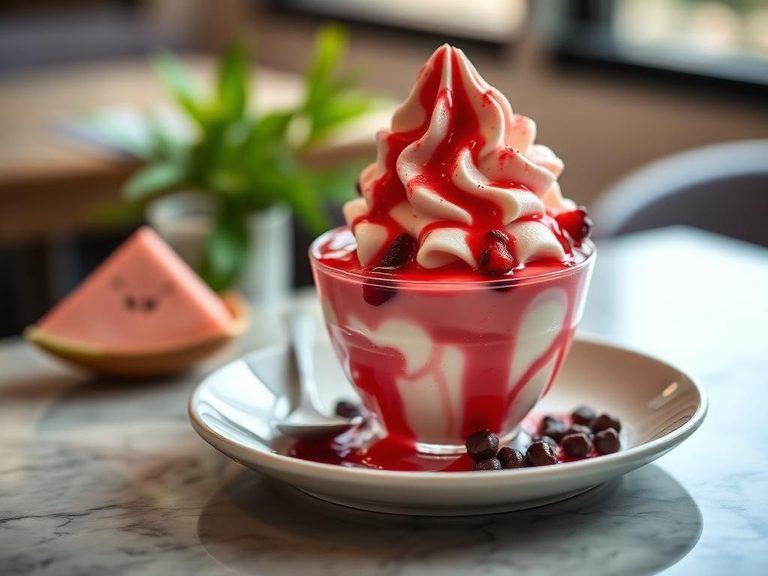
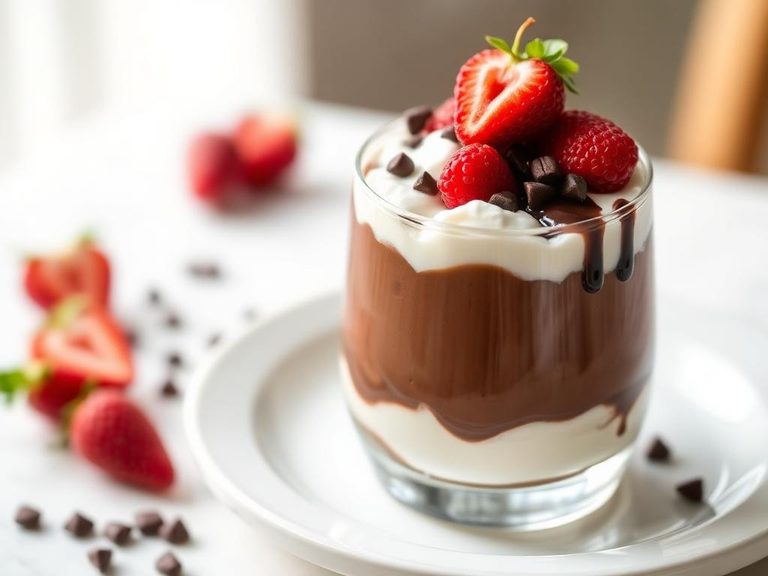
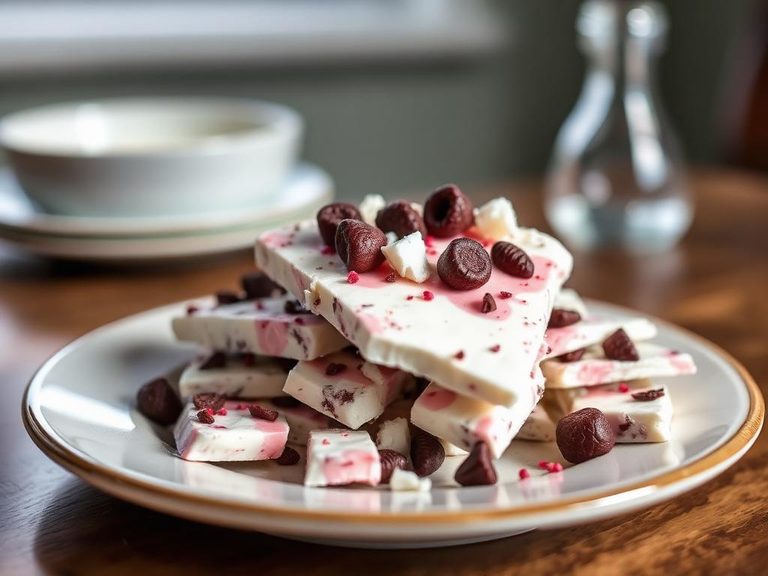
🌍 Where it's eaten
💡 Did you know?
The tangy flavor in frozen yogurt comes from live bacterial cultures, similar to those in regular yogurt, which are added before the freezing process.
Full nutrition (scales with serving)
| Water | 63.8 g |
| Energy | 160 kcal |
| Energy | 669 kj |
| Protein | 4.0 g |
| Total lipid (fat) | 6.0 g |
| Ash | 1.0 g |
| Carbohydrate, by difference | 24.9 g |
| Fiber, total dietary | 2.2 g |
| Calcium, Ca | 147 mg |
| Iron, Fe | 1.3 mg |
| Magnesium, Mg | 27.0 mg |
| Phosphorus, P | 139 mg |
| Potassium, K | 261 mg |
| Sodium, Na | 98.0 mg |
| Zinc, Zn | 0.49 mg |
| Copper, Cu | 0.13 mg |
| Manganese, Mn | 0.12 mg |
| Selenium, Se | 2.4 ug |
| Vitamin C, total ascorbic acid | 0.30 mg |
| Thiamin | 0.04 mg |
| Riboflavin | 0.21 mg |
| Niacin | 0.30 mg |
| Pantothenic acid | 0.67 mg |
| Vitamin B-6 | 0.07 mg |
| Folate, total | 11.0 ug |
| Folic acid | 0.00 ug |
| Folate, food | 11.0 ug |
| Folate, DFE | 11.0 ug |
| Vitamin B-12 | 0.29 ug |
| Vitamin A, RAE | 44.0 ug |
| Retinol | 43.0 ug |
| Carotene, beta | 12.0 ug |
| Vitamin A, IU | 160 iu |
| Caffeine | 3.0 mg |
| Theobromine | 106 mg |
Fat & fatty acid profile (per 100g)
| Fatty acids, total saturated | 3.6 g |
| SFA 4:0 | 0.16 g |
| SFA 6:0 | 0.09 g |
| SFA 8:0 | 0.05 g |
| SFA 10:0 | 0.12 g |
| SFA 12:0 | 0.13 g |
| SFA 14:0 | 0.50 g |
| SFA 16:0 | 1.6 g |
| SFA 18:0 | 0.96 g |
| Fatty acids, total monounsaturated | 1.8 g |
| MUFA 16:1 | 0.11 g |
| MUFA 18:1 | 1.6 g |
| Fatty acids, total polyunsaturated | 0.22 g |
| PUFA 18:2 | 0.14 g |
| PUFA 18:3 | 0.07 g |
| Cholesterol | 5.0 mg |
Amino acid profile (per 100g)
| Tryptophan | 0.06 g |
| Threonine | 0.17 g |
| Isoleucine | 0.21 g |
| Leucine | 0.34 g |
| Lysine | 0.28 g |
| Methionine | 0.08 g |
| Cystine | 0.04 g |
| Phenylalanine | 0.19 g |
| Tyrosine | 0.18 g |
| Valine | 0.26 g |
| Arginine | 0.16 g |
| Histidine | 0.10 g |
| Alanine | 0.15 g |
| Aspartic acid | 0.32 g |
| Glutamic acid | 0.76 g |
| Glycine | 0.11 g |
| Proline | 0.32 g |
| Serine | 0.20 g |
FAQ
Is frozen yogurt healthier than ice cream?
Generally, yes. Frozen yogurt typically has less fat and fewer calories than traditional ice cream, and it can contain probiotics from its yogurt base. However, its sugar and carbohydrate content can be similar, so it's still a treat to enjoy in moderation.
Why does my frozen yogurt taste less sweet than regular ice cream?
The tangy, acidic flavor from the yogurt cultures can balance and sometimes mask the perception of sweetness. This is why chocolate frozen yogurt often has a more complex, less sugary taste profile compared to a chocolate ice cream.
Can I use this as a base for smoothies?
Absolutely. Its creamy texture and tangy flavor make it an excellent base for thick, protein-rich smoothies. Blend it with fruits like berries or bananas for a delicious and nutritious drink.