

Wine cooler
Common food
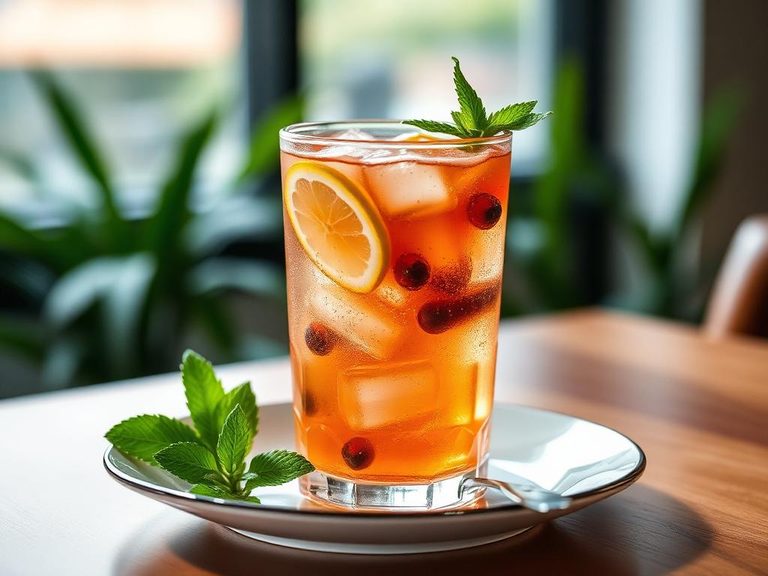
A wine cooler is a sweet, carbonated alcoholic beverage blending wine with fruit juice and a lemon-lime soda base. It offers a light, effervescent texture with a predominantly sweet, fruity flavor profile, often masking the taste of alcohol. Nutritionally, it is a source of simple carbohydrates, primarily from sugar, with no protein, fat, or fiber.
Calorie split: 0% protein · 100% carbs · 0% fat
↓ Full nutrition💚 Why it's loved
People love wine coolers for their refreshing, sweet, and fruity taste that makes them an easy-drinking, nostalgic choice for casual gatherings. Their wide variety of flavors and vibrant branding contribute to their fun, festive appeal.
⚠️ Watch-outs & how to enjoy it better
The high sugar content (nearly 10g per 100g) can lead to rapid blood sugar spikes and contributes empty calories. Those monitoring sugar intake or managing diabetes should exercise caution. Tip: Opt for a smaller portion or choose a diet/low-sugar variety if available.
Key benefits
- Low in fat and protein
- Provides a quick source of carbohydrate energy
- Often lower in alcohol content than straight wine or spirits
- Serves as a popular, approachable social drink
🍽️ Popular dishes
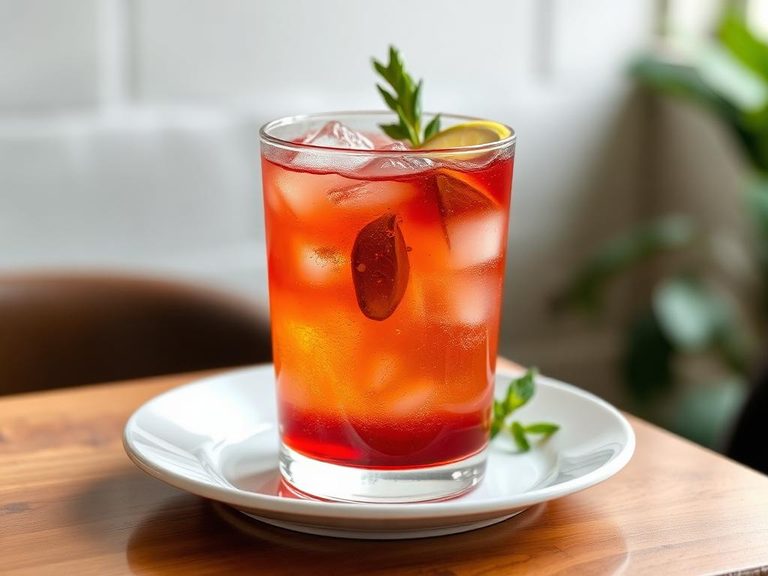
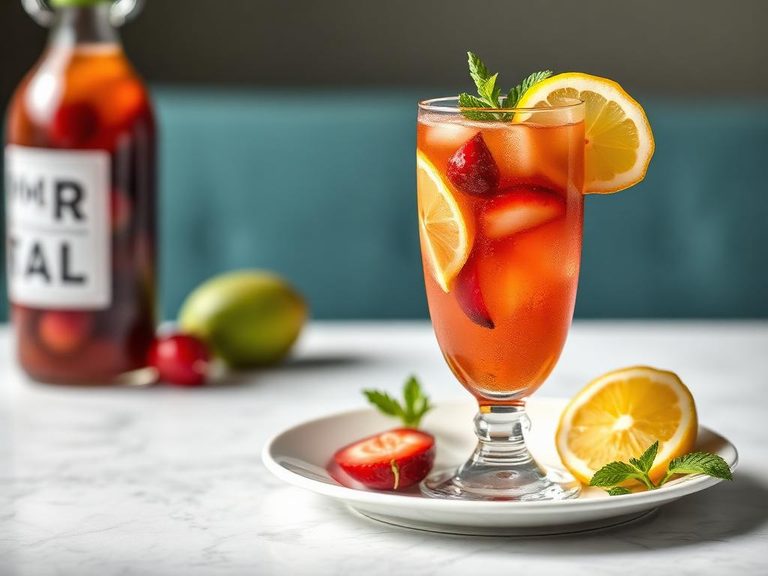
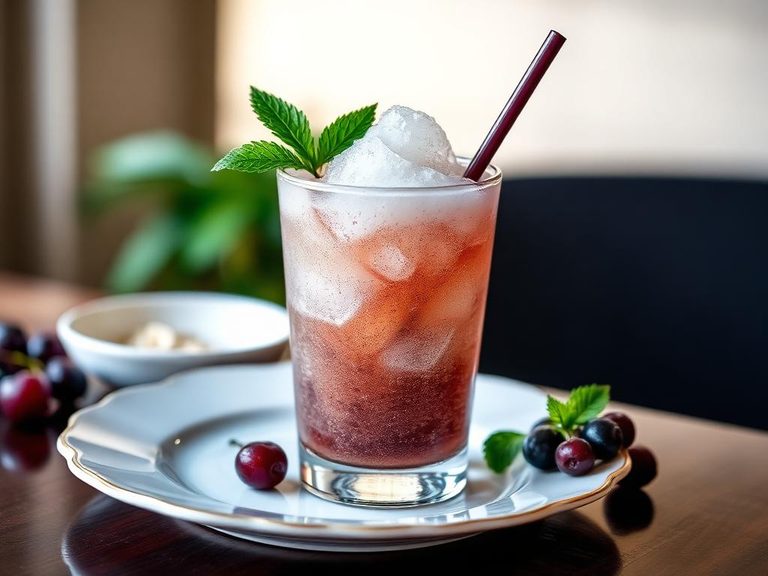
🌍 Where it's eaten
💡 Did you know?
The wine cooler was massively popularized in the United States during the 1980s, with brands like Bartles & Jaymes becoming cultural icons through their quirky television commercials.
Full nutrition (USDA data · scales with serving)
| Water | 85.7 g |
| Energy | 68.0 kcal |
| Protein | 0.00 g |
| Total lipid (fat) | 0.00 g |
| Carbohydrate, by difference | 10.1 g |
| Fiber, total dietary | 0.00 g |
| Total Sugars | 9.8 g |
| Calcium, Ca | 4.0 mg |
| Iron, Fe | 0.03 mg |
| Magnesium, Mg | 4.0 mg |
| Phosphorus, P | 7.0 mg |
| Potassium, K | 27.0 mg |
| Sodium, Na | 5.0 mg |
| Zinc, Zn | 0.01 mg |
| Copper, Cu | 0.01 mg |
| Selenium, Se | 0.30 ug |
| Vitamin C, total ascorbic acid | 2.8 mg |
| Thiamin | 0.01 mg |
| Riboflavin | 0.01 mg |
| Niacin | 0.23 mg |
| Vitamin B-6 | 0.02 mg |
| Folate, total | 4.0 ug |
| Folic acid | 0.00 ug |
| Folate, food | 4.0 ug |
| Folate, DFE | 4.0 ug |
| Choline, total | 4.4 mg |
| Vitamin B-12 | 0.01 ug |
| Vitamin B-12, added | 0.00 ug |
| Vitamin A, RAE | 0.00 ug |
| Retinol | 0.00 ug |
| Carotene, beta | 0.00 ug |
| Carotene, alpha | 0.00 ug |
| Cryptoxanthin, beta | 0.00 ug |
| Lycopene | 0.00 ug |
| Lutein + zeaxanthin | 1.0 ug |
| Vitamin E (alpha-tocopherol) | 0.02 mg |
| Vitamin E, added | 0.00 mg |
| Vitamin D (D2 + D3) | 0.00 ug |
| Vitamin K (phylloquinone) | 0.00 ug |
| Alcohol, ethyl | 4.0 g |
| Caffeine | 0.00 mg |
| Theobromine | 0.00 mg |
Fat & fatty acid profile (per 100g)
| Fatty acids, total saturated | 0.00 g |
| SFA 4:0 | 0.00 g |
| SFA 6:0 | 0.00 g |
| SFA 8:0 | 0.00 g |
| SFA 10:0 | 0.00 g |
| SFA 12:0 | 0.00 g |
| SFA 14:0 | 0.00 g |
| SFA 16:0 | 0.00 g |
| SFA 18:0 | 0.00 g |
| Fatty acids, total monounsaturated | 0.00 g |
| MUFA 16:1 | 0.00 g |
| MUFA 18:1 | 0.00 g |
| MUFA 20:1 | 0.00 g |
| MUFA 22:1 | 0.00 g |
| Fatty acids, total polyunsaturated | 0.00 g |
| PUFA 18:2 | 0.00 g |
| PUFA 18:3 | 0.00 g |
| PUFA 18:4 | 0.00 g |
| PUFA 20:4 | 0.00 g |
| PUFA 20:5 n-3 (EPA) | 0.00 g |
| PUFA 22:5 n-3 (DPA) | 0.00 g |
| PUFA 22:6 n-3 (DHA) | 0.00 g |
| Cholesterol | 0.00 mg |
FAQ
Is a wine cooler the same as hard seltzer?
No. Wine coolers are typically made with wine, fruit juice, and soda, resulting in a sweeter, more juice-forward drink. Hard seltzers are usually made from fermented cane sugar or malt, are carbonated, and are generally lower in calories and sugar.
What is the typical alcohol content of a wine cooler?
Most wine coolers have an alcohol by volume (ABV) between 4% and 7%, which is comparable to light beer and lower than most wines.
Are wine coolers gluten-free?
Most wine coolers made from a wine base are considered gluten-free. However, some cheaper versions may use malt liquor as a base, which contains gluten. Always check the label for specific allergen information.
Nutrient density (calculated · NRF9.3)
Nutrient Rich Foods index: beneficial nutrients (protein, fiber, vitamins, minerals) minus saturated fat, added sugar & sodium, per 100 kcal.
NRF9.3 index — Fulgoni, Keast & Drewnowski, 2009. Computed from USDA nutrients.
Weight-loss friendliness (composite index)
Energy density 0.68 kcal/g · 0% calories from protein · 0.0 g fiber · 9.8 g sugar per 100 g.
Composite of energy density (Rolls et al., 1999), protein & fiber satiety, minus sugar. A calculated heuristic — ranks satiety-per-calorie, not a clinical measure.
Dietary load (calculated from USDA values)
Potential renal acid load. Positive = acid-forming, negative = alkaline-forming.
Sodium-to-potassium ratio: 0.19 (lower is better — aim for ≤ 1)
Sodium:potassium per WHO potassium guidance. Computed from USDA nutrients.