

Wasabi paste
Common food

Photo: Wikipedia
Wasabi paste is a fiery, pungent condiment made from the grated rhizome of the wasabi plant, traditionally mixed with a small amount of water to form a bright green, fibrous paste. Its signature heat is a sharp, nasal-clearing sensation that dissipates quickly, unlike the lingering burn of chili peppers. Nutritionally, it's a low-calorie, high-fiber addition to meals, with its kick coming from natural compounds, not excessive sugar or fat.
Calorie split: 3% protein · 63% carbs · 34% fat
↓ Full nutrition💚 Why it's loved
People adore wasabi for its unique, exhilarating heat that awakens the palate and cleanses the taste of rich foods like sushi. It's a cornerstone of Japanese culinary tradition, offering a sophisticated, complex flavor that is both sharp and subtly sweet.
⚠️ Watch-outs & how to enjoy it better
The intense pungency can be overwhelming for some, potentially causing sinus discomfort or a watery nose. Many commercial pastes are made with horseradish and food coloring, lacking authentic flavor and benefits. To mitigate, start with a tiny smear, pair it with fatty fish (like salmon) or rice to mellow the heat, and seek out real wasabi if possible.
Key benefits
- Contains isothiocyanates, compounds studied for their potential anti-inflammatory properties.
- Very low in calories and sugar per serving, adding flavor without significant energy density.
- High in dietary fiber, which can aid in digestion and promote satiety.
- Traditionally served in small amounts, encouraging mindful portion control.
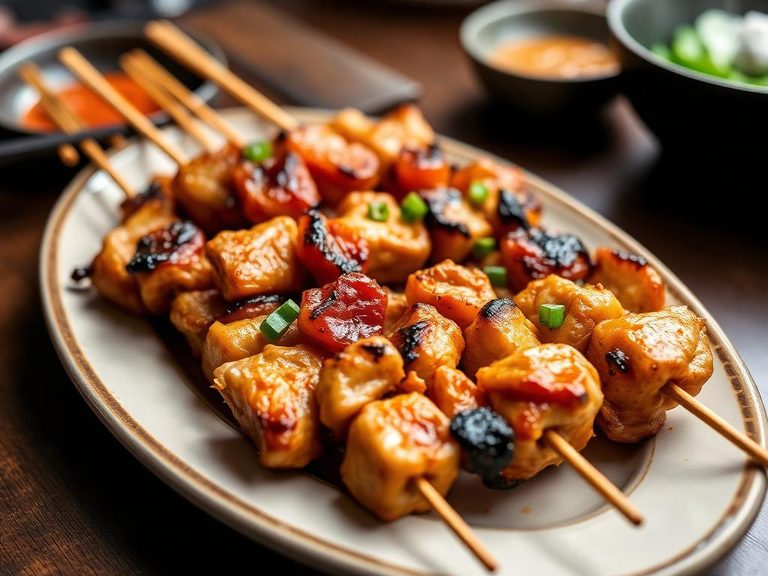
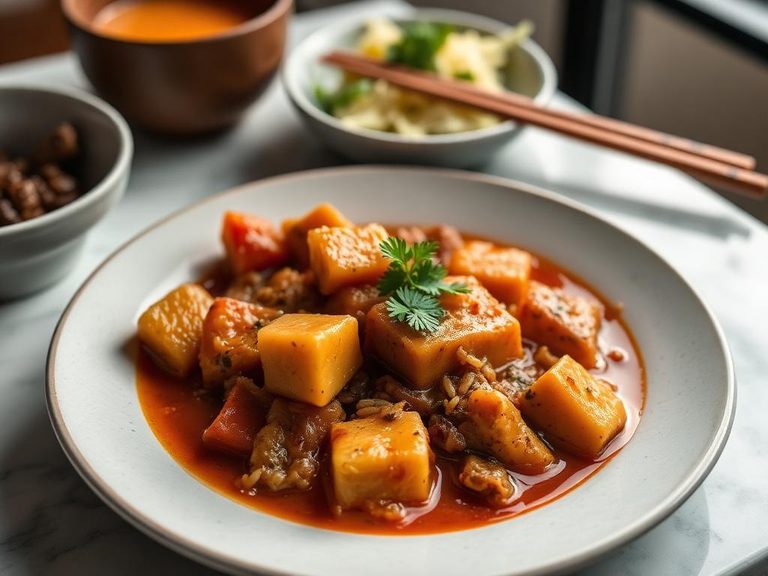
🍽️ Popular dishes
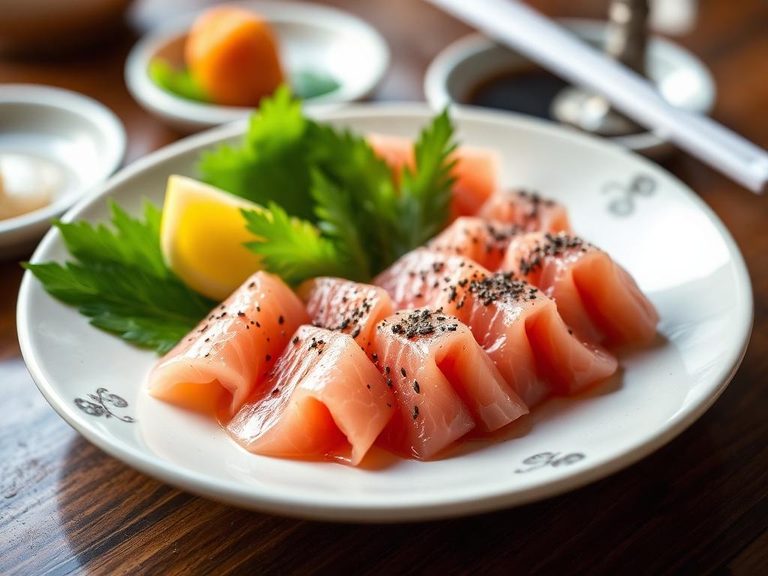
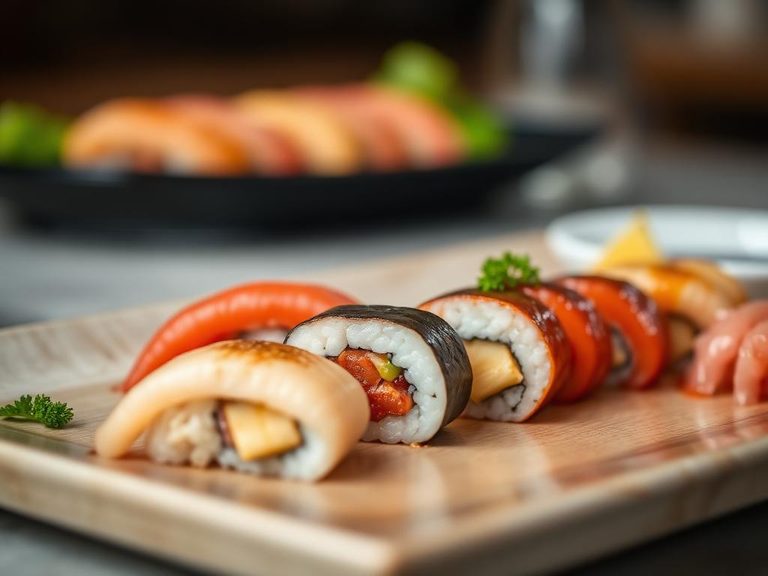
🌍 Where it's eaten
💡 Did you know?
Authentic wasabi is notoriously difficult to cultivate, requiring specific riverbed conditions and shade, which is why real wasabi root can cost over $100 per kilogram, making most 'wasabi' served worldwide a convincing imitation.
Full nutrition (USDA data · scales with serving)
| Water | 31.7 g |
| Energy | 292 kcal |
| Protein | 2.2 g |
| Total lipid (fat) | 10.9 g |
| Carbohydrate, by difference | 46.1 g |
| Fiber, total dietary | 6.1 g |
| Total Sugars | 13.2 g |
| Calcium, Ca | 41.0 mg |
| Iron, Fe | 0.50 mg |
| Magnesium, Mg | 21.0 mg |
| Phosphorus, P | 26.0 mg |
| Potassium, K | 182 mg |
| Sodium, Na | 3390 mg |
| Zinc, Zn | 0.61 mg |
| Copper, Cu | 0.06 mg |
| Selenium, Se | 2.2 ug |
| Vitamin C, total ascorbic acid | 0.00 mg |
| Thiamin | 0.05 mg |
| Riboflavin | 0.07 mg |
| Niacin | 0.16 mg |
| Vitamin B-6 | 0.05 mg |
| Folate, total | 10.0 ug |
| Folic acid | 0.00 ug |
| Folate, food | 10.0 ug |
| Folate, DFE | 10.0 ug |
| Choline, total | 2.3 mg |
| Vitamin B-12 | 0.00 ug |
| Vitamin B-12, added | 0.00 ug |
| Vitamin A, RAE | 0.00 ug |
| Retinol | 0.00 ug |
| Carotene, beta | 2.0 ug |
| Carotene, alpha | 0.00 ug |
| Cryptoxanthin, beta | 0.00 ug |
| Lycopene | 0.00 ug |
| Lutein + zeaxanthin | 5.0 ug |
| Vitamin E (alpha-tocopherol) | 3.9 mg |
| Vitamin E, added | 0.00 mg |
| Vitamin D (D2 + D3) | 0.00 ug |
| Vitamin K (phylloquinone) | 3.5 ug |
| Alcohol, ethyl | 0.00 g |
| Caffeine | 0.00 mg |
| Theobromine | 0.00 mg |
Fat & fatty acid profile (per 100g)
| Fatty acids, total saturated | 2.0 g |
| SFA 4:0 | 0.00 g |
| SFA 6:0 | 0.00 g |
| SFA 8:0 | 0.00 g |
| SFA 10:0 | 0.00 g |
| SFA 12:0 | 0.00 g |
| SFA 14:0 | 0.04 g |
| SFA 16:0 | 1.7 g |
| SFA 18:0 | 0.20 g |
| Fatty acids, total monounsaturated | 4.4 g |
| MUFA 16:1 | 0.02 g |
| MUFA 18:1 | 4.3 g |
| MUFA 20:1 | 0.07 g |
| MUFA 22:1 | 0.00 g |
| Fatty acids, total polyunsaturated | 3.6 g |
| PUFA 18:2 | 3.5 g |
| PUFA 18:3 | 0.16 g |
| PUFA 18:4 | 0.00 g |
| PUFA 20:4 | 0.00 g |
| PUFA 20:5 n-3 (EPA) | 0.00 g |
| PUFA 22:5 n-3 (DPA) | 0.00 g |
| PUFA 22:6 n-3 (DHA) | 0.00 g |
| Cholesterol | 0.00 mg |
FAQ
What's the difference between real wasabi and the common green paste?
Real wasabi is freshly grated from the rhizome of the Wasabia japonica plant and has a complex, sweet, and floral heat. Most commercial pastes are made from horseradish, mustard, and green food coloring, delivering a harsher, more one-dimensional burn.
How should I store wasabi paste?
Fresh wasabi root should be wrapped in a damp paper towel and used within a few days. Prepared wasabi paste should be kept in an airtight container in the refrigerator, where its potency will fade over a few weeks.
Why does wasabi make my nose burn?
The volatile compounds in wasabi (allyl isothiocyanate) are released into the air and travel through the back of your mouth to your nasal passages, triggering a temporary, sharp irritation that is perceived as a 'nasal heat,' distinct from the tongue-based heat of chili peppers.
Nutrient density (calculated · NRF9.3)
Nutrient Rich Foods index: beneficial nutrients (protein, fiber, vitamins, minerals) minus saturated fat, added sugar & sodium, per 100 kcal.
NRF9.3 index — Fulgoni, Keast & Drewnowski, 2009. Computed from USDA nutrients.
Weight-loss friendliness (composite index)
Energy density 2.92 kcal/g · 3% calories from protein · 6.1 g fiber · 13.2 g sugar per 100 g.
Composite of energy density (Rolls et al., 1999), protein & fiber satiety, minus sugar. A calculated heuristic — ranks satiety-per-calorie, not a clinical measure.
Dietary load (calculated from USDA values)
Potential renal acid load. Positive = acid-forming, negative = alkaline-forming.
Sodium-to-potassium ratio: 18.63 (lower is better — aim for ≤ 1)
Sodium:potassium per WHO potassium guidance. Computed from USDA nutrients.