

Japanese curry
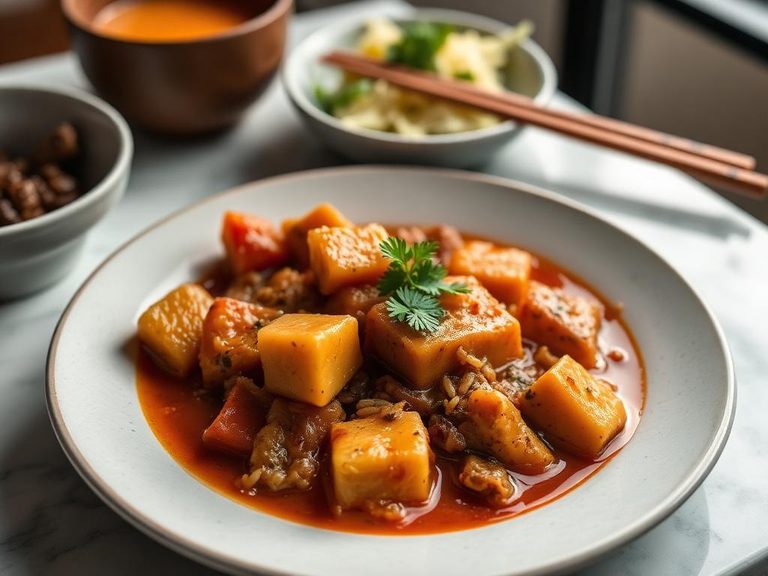
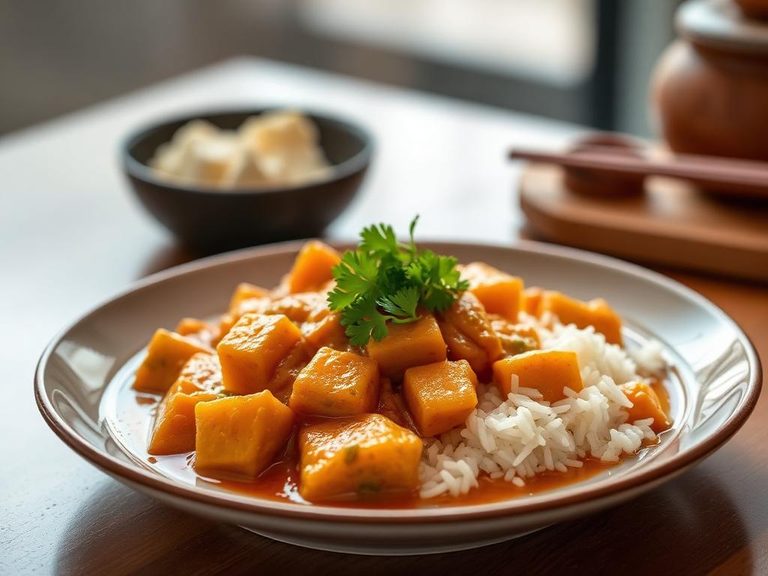
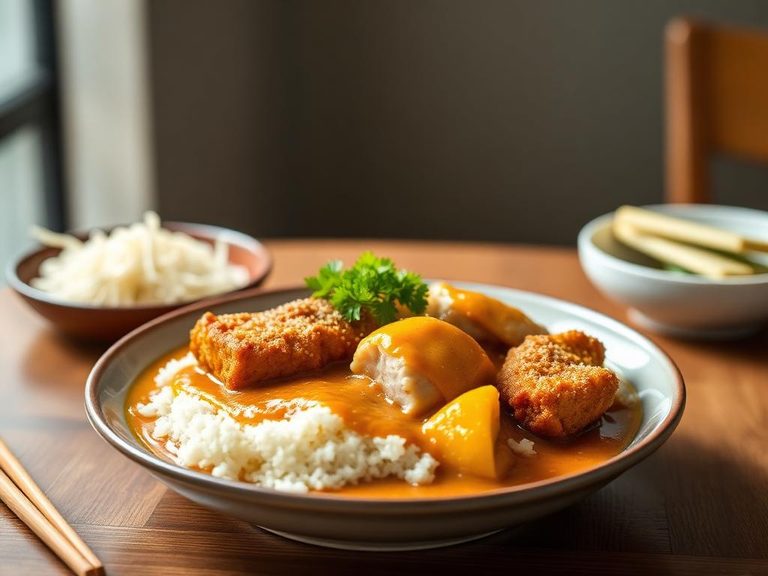
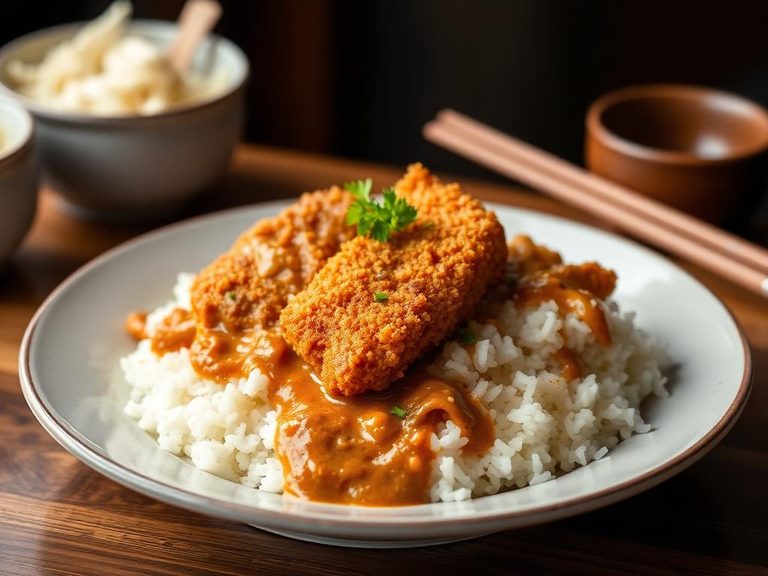
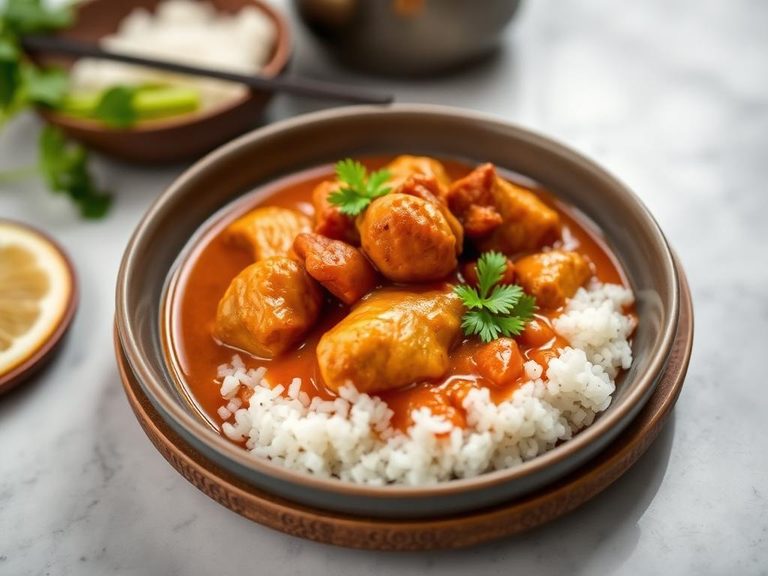
Japanese curry, or 'kare raisu,' is a thick, savory stew-like dish featuring a roux-based sauce with vegetables like onions, carrots, and potatoes, and a choice of protein such as pork, chicken, or beef. It is typically served over steamed rice and is a beloved comfort food in Japan, often enjoyed in homes, restaurants, and as a popular boxed lunch item.
🍽️ Nutrition at a glance
Japanese curry is generally high in carbohydrates from the rice and thickeners, with moderate fat and protein depending on the meat used. It provides key nutrients like vitamin A from carrots, potassium from potatoes, and some B vitamins from the meat, with a typical serving ranging from 500 to 800 calories.
Nutrition breakdown
| Calories | 450 kcal |
| Protein | 15 g |
| Carbs | 55 g |
| Fat | 18 g |
| Fiber | 4 g |
| Sugar | 8 g |
| Sodium | 900 mg |
| Vitamin C | 15 mg |
| Vitamin A | 400 IU |
| Iron | 2.5 mg |
| Calcium | 60 mg |
| Potassium | 450 mg |
| Vitamin B6 | 0.4 mg |
| Folate | 30 mcg |
| Zinc | 1.5 mg |
Per 1 cup (240 g) · estimated, varies by recipe
💡 What's interesting
Culturally, Japanese curry was introduced via the British in the late 19th century and has evolved into a uniquely mild, sweet, and thick dish distinct from Indian or Thai curries. Nutritionally, its use of a roux (often with added fats and flour) makes it a hearty, energy-dense meal, and it's sometimes considered a 'complete food' in Japan due to its balanced mix of carbs, protein, and vegetables.
🍽️ Related dishes
AI estimate may be inaccurate · Terms