

Tomatoes, crushed, canned
Whole food · Vegetables and Vegetable Products

Photo: Wikipedia
Crushed canned tomatoes are ripe tomatoes cooked down and broken into a thick, pulpy sauce, capturing a deep, concentrated umami-sweetness and a rustic, chunky texture. Nutritionally, they are a low-calorie powerhouse, delivering a significant dose of lycopene and fiber while being virtually fat-free.
Calorie split: 15% protein · 75% carbs · 9% fat
↓ Full nutrition💚 Why it's loved
People love crushed tomatoes for their incredible versatility as a foundational ingredient, forming the heart of countless sauces, stews, and braises. They offer the fresh taste of tomatoes year-round, with a texture that melds seamlessly into dishes while adding body and vibrant color.
⚠️ Watch-outs & how to enjoy it better
The primary caution is often the added sodium in many canned brands, which can be significant for those monitoring intake. To counteract this, choose 'no salt added' varieties and rinse the tomatoes if desired, or balance the dish by using herbs, acids like lemon juice, or umami-rich ingredients like mushrooms instead of extra salt.
Key benefits
- Excellent source of the antioxidant lycopene
- Provides dietary fiber for digestive health
- Low in calories and naturally fat-free
- Concentrated source of vitamin C and potassium
- Convenient, shelf-stable base for cooking
🍽️ Popular dishes
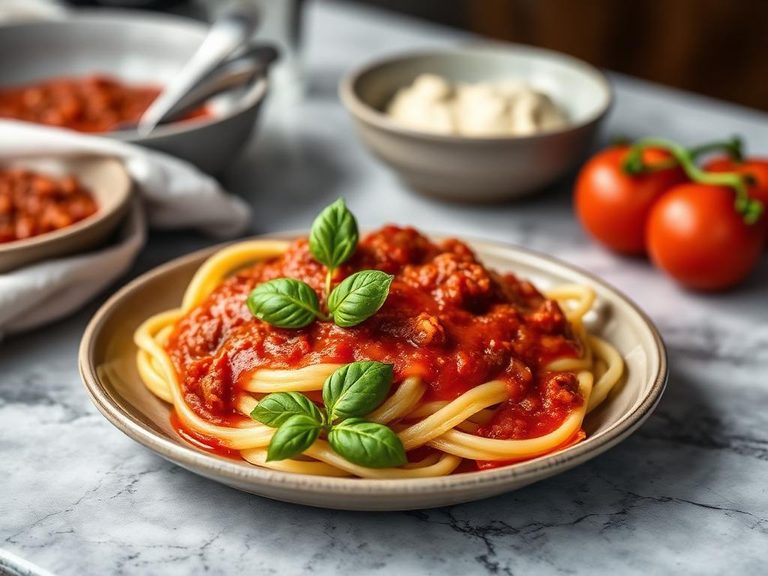
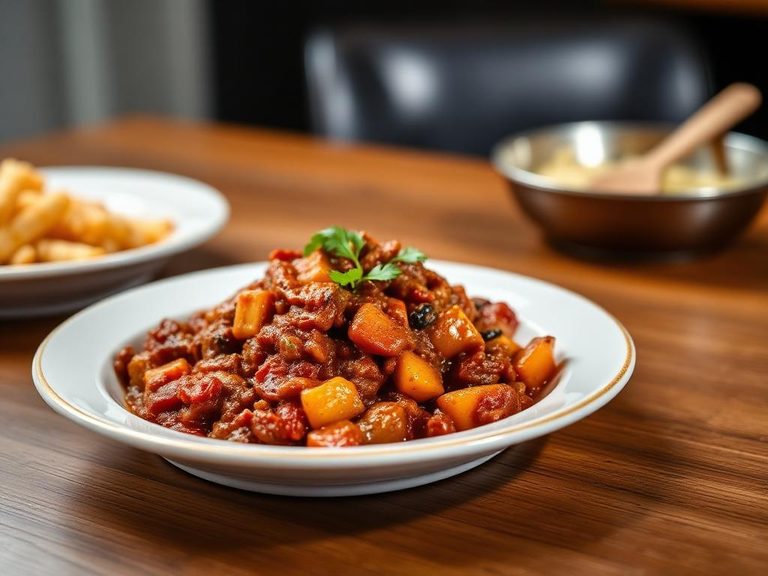
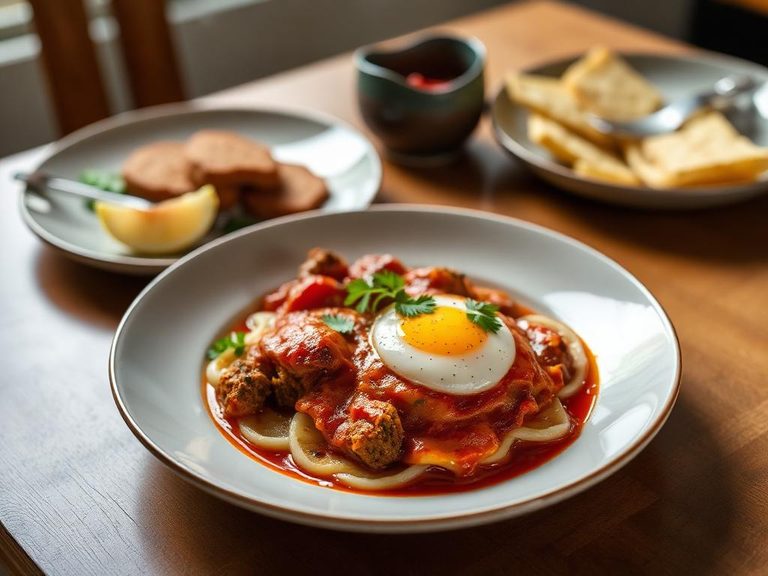
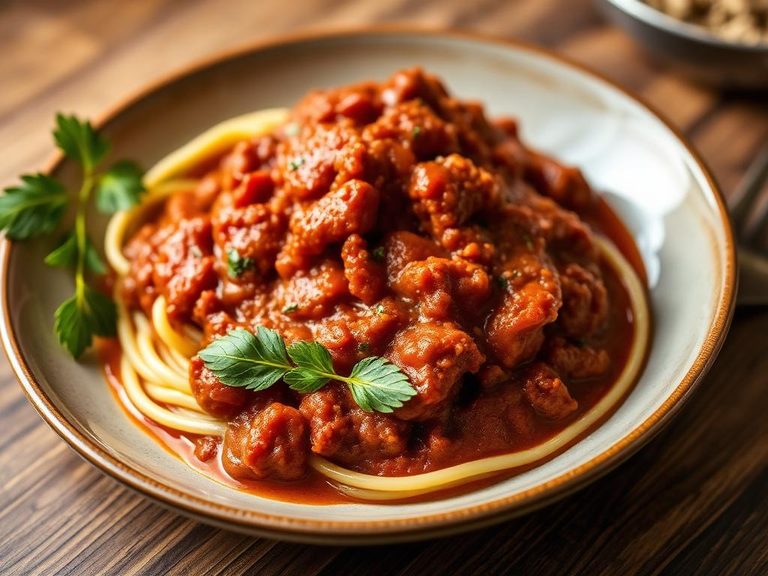
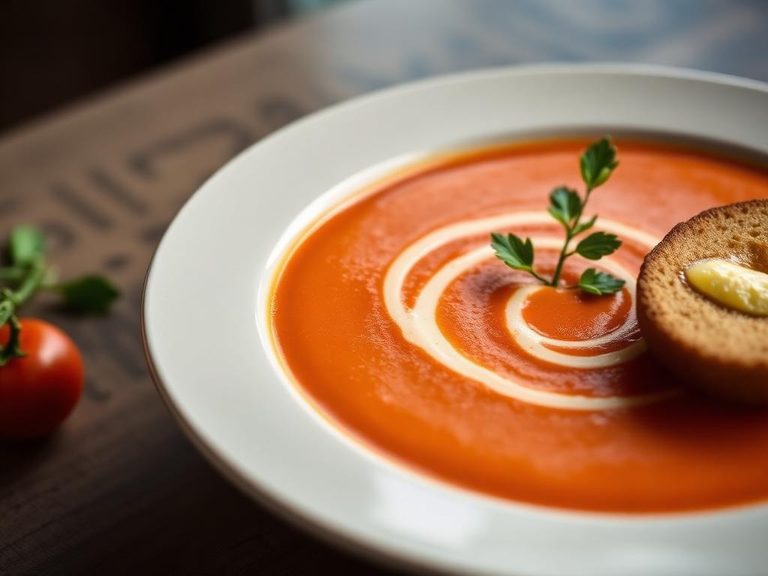
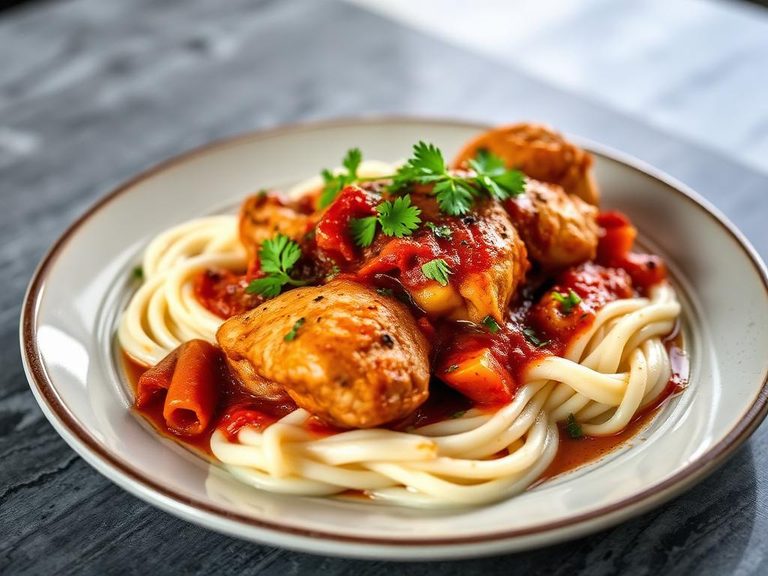
🌍 Where it's eaten
💡 Did you know?
The lycopene in canned tomatoes is often more bioavailable (easier for your body to absorb) than in fresh tomatoes because the canning process breaks down cell walls and the lycopene is paired with a small amount of fat from cooking oils typically used.
Full nutrition (USDA data · scales with serving)
| Water | 89.9 g |
| Energy (Atwater General Factors) | 37.9 kcal |
| Energy (Atwater Specific Factors) | 32.3 kcal |
| Nitrogen | 0.23 g |
| Protein | 1.4 g |
| Total lipid (fat) | 0.40 g |
| Ash | 1.1 g |
| Carbohydrate, by difference | 7.1 g |
| Fiber, total dietary | 1.9 g |
| Sugars, Total | 3.7 g |
| Sucrose | 0.00 g |
| Glucose | 1.8 g |
| Fructose | 2.0 g |
| Lactose | 0.00 g |
| Maltose | 0.00 g |
| Calcium, Ca | 19.2 mg |
| Iron, Fe | 2.3 mg |
| Magnesium, Mg | 18.6 mg |
| Phosphorus, P | 32.9 mg |
| Potassium, K | 346 mg |
| Sodium, Na | 140 mg |
| Zinc, Zn | 0.20 mg |
| Copper, Cu | 0.10 mg |
| Manganese, Mn | 0.15 mg |
| Vitamin C, total ascorbic acid | 9.1 mg |
Fat & fatty acid profile (per 100g)
Estimated from Tomatoes, sun-dried, packed in oil, drained — USDA does not publish this profile for Tomatoes.
| Fatty acids, total saturated | 1.9 g |
| SFA 14:0 | 0.01 g |
| SFA 16:0 | 1.5 g |
| SFA 18:0 | 0.34 g |
| Fatty acids, total monounsaturated | 8.7 g |
| MUFA 16:1 | 0.10 g |
| MUFA 18:1 | 8.5 g |
| MUFA 20:1 | 0.03 g |
| Fatty acids, total polyunsaturated | 2.1 g |
| PUFA 18:2 | 2.0 g |
| PUFA 18:3 | 0.08 g |
| Fatty acids, total trans | 0.00 g |
| Cholesterol | 0.00 mg |
Amino acid profile (per 100g)
Estimated from Tomatoes, sun-dried, packed in oil, drained — USDA does not publish this profile for Tomatoes.
| Tryptophan | 0.04 g |
| Threonine | 0.13 g |
| Isoleucine | 0.12 g |
| Leucine | 0.18 g |
| Lysine | 0.19 g |
| Methionine | 0.04 g |
| Cystine | 0.07 g |
| Phenylalanine | 0.13 g |
| Tyrosine | 0.09 g |
| Valine | 0.13 g |
| Arginine | 0.12 g |
| Histidine | 0.08 g |
| Alanine | 0.14 g |
| Aspartic acid | 0.70 g |
| Glutamic acid | 1.9 g |
| Glycine | 0.13 g |
| Proline | 0.10 g |
| Serine | 0.13 g |
FAQ
What's the difference between crushed, diced, and whole peeled canned tomatoes?
Crushed tomatoes are a thick purée with some small chunks, ideal for smooth sauces. Diced tomatoes are uniformly chopped and hold their shape better for chunky dishes. Whole peeled tomatoes are intact and can be crushed by hand for control over texture.
Can I use crushed tomatoes as a substitute for tomato sauce or paste?
Yes, but with adjustments. For tomato sauce, crush them further or blend smooth and simmer to thicken. For tomato paste, you'd need to cook crushed tomatoes down significantly to remove water and concentrate the flavor.
Why do some canned tomatoes taste metallic?
This can happen if the can is old or damaged, allowing a reaction between the acidic tomatoes and the metal lining. It's best to discard tomatoes from a bulging or deeply dented can and store opened leftovers in a glass or plastic container.
Nutrient density (calculated · NRF9.3)
Nutrient Rich Foods index: beneficial nutrients (protein, fiber, vitamins, minerals) minus saturated fat, added sugar & sodium, per 100 kcal.
NRF9.3 index — Fulgoni, Keast & Drewnowski, 2009. Computed from USDA nutrients.
Weight-loss friendliness (composite index)
Energy density 0.38 kcal/g · 15% calories from protein · 1.9 g fiber · 0.0 g sugar per 100 g.
Composite of energy density (Rolls et al., 1999), protein & fiber satiety, minus sugar. A calculated heuristic — ranks satiety-per-calorie, not a clinical measure.
Dietary load (calculated from USDA values)
Potential renal acid load. Positive = acid-forming, negative = alkaline-forming.
Sodium-to-potassium ratio: 0.40 (lower is better — aim for ≤ 1)
Sodium:potassium per WHO potassium guidance. Computed from USDA nutrients.