

Tomato, paste, canned, without salt added
Whole food · Vegetables and Vegetable Products

Photo: Wikipedia
This is the concentrated essence of the tomato, a thick, deep-red paste with a velvety texture and an intensely savory, umami-rich flavor. Nutritionally, it's a standout for its high fiber content and significant protein for a vegetable product, all while being virtually fat-free. It delivers a powerful punch of lycopene, the antioxidant responsible for its vibrant color.
Calorie split: 16% protein · 77% carbs · 6% fat
↓ Full nutrition💚 Why it's loved
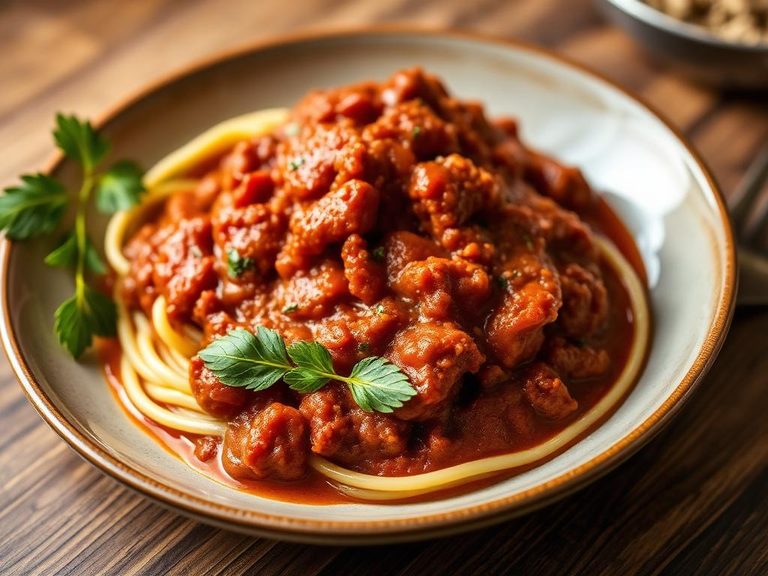
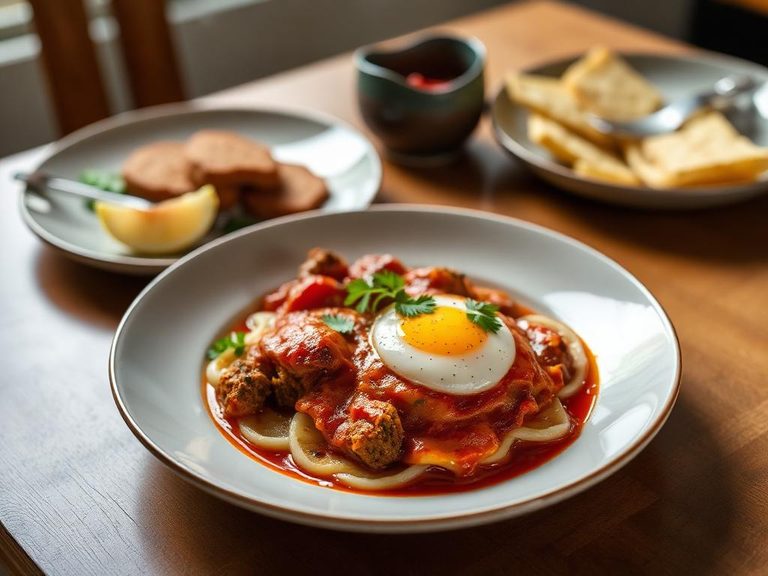
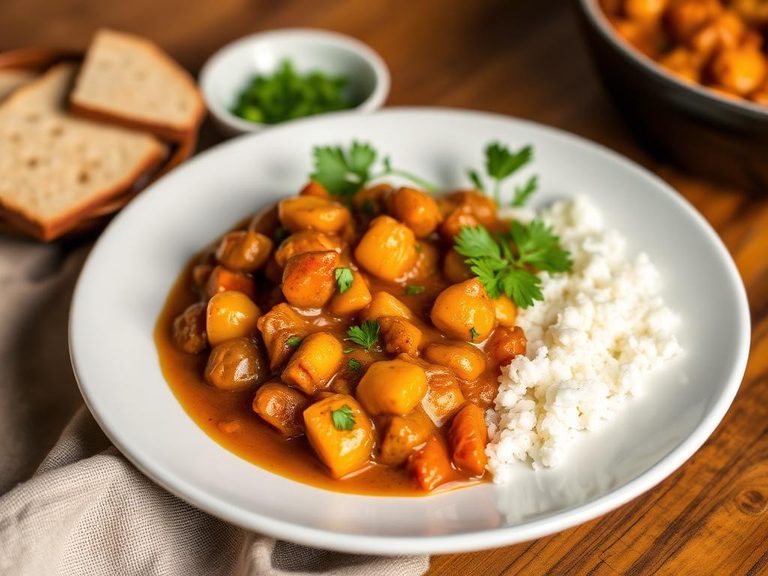
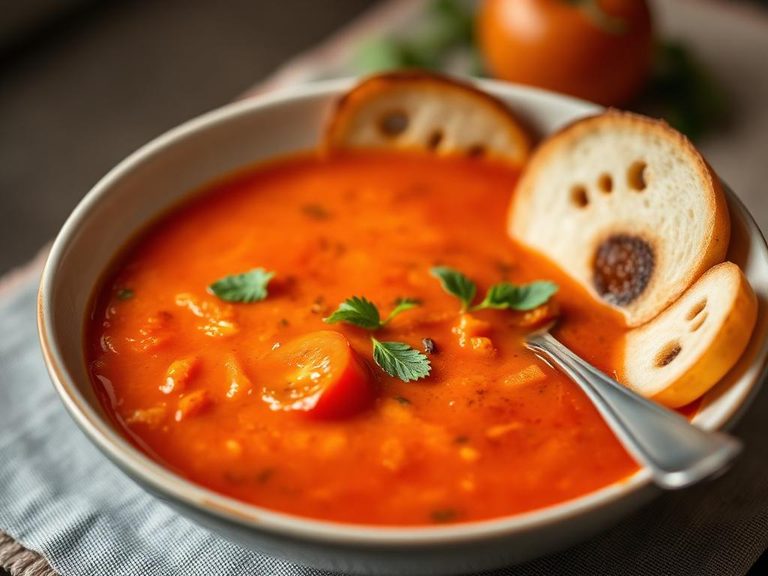
Chefs and home cooks adore it for its unparalleled ability to add a rich, savory depth and beautiful color to sauces, stews, and braises with just a spoonful. It's the secret behind the robust flavor of many classic dishes, from Italian ragù to West African stews.
⚠️ Watch-outs & how to enjoy it better
Its concentrated nature means it can be very high in naturally occurring sugars, which may cause blood-sugar spikes for some individuals. To mitigate this, pair it with protein (like beans or meat) and healthy fats (like olive oil) in a meal to slow sugar absorption. Also, always check labels for added salt if you're monitoring sodium intake.
Key benefits
- Excellent source of the antioxidant lycopene.
- High in dietary fiber for digestive health.
- Provides plant-based protein with minimal fat.
- Low-calorie base for adding deep flavor to dishes.
- Rich in vitamins A and C from concentrated tomatoes.
🍽️ Popular dishes


🌍 Where it's eaten
💡 Did you know?
The process of concentrating tomatoes into paste actually increases the bioavailability of lycopene, making it easier for your body to absorb this powerful antioxidant compared to fresh tomatoes.
Full nutrition (USDA data · scales with serving)
| Water | 71.9 g |
| Energy (Atwater General Factors) | 104 kcal |
| Energy (Atwater Specific Factors) | 88.5 kcal |
| Nitrogen | 0.68 g |
| Protein | 4.2 g |
| Total lipid (fat) | 0.73 g |
| Ash | 2.9 g |
| Carbohydrate, by difference | 20.2 g |
| Fiber, total dietary | 4.7 g |
| Sugars, Total | 11.7 g |
| Sucrose | 0.00 g |
| Glucose | 5.7 g |
| Fructose | 6.0 g |
| Lactose | 0.00 g |
| Maltose | 0.00 g |
| Calcium, Ca | 36.9 mg |
| Iron, Fe | 3.2 mg |
| Magnesium, Mg | 49.6 mg |
| Phosphorus, P | 91.2 mg |
| Potassium, K | 972 mg |
| Sodium, Na | 61.1 mg |
| Zinc, Zn | 0.51 mg |
| Copper, Cu | 0.29 mg |
| Manganese, Mn | 0.33 mg |
| Vitamin C, total ascorbic acid | 18.4 mg |
Fat & fatty acid profile (per 100g)
Estimated from Tomato products, canned, sauce, with tomato tidbits — USDA does not publish this profile for Tomato.
| Fatty acids, total saturated | 0.06 g |
| SFA 14:0 | 0.00 g |
| SFA 16:0 | 0.04 g |
| SFA 18:0 | 0.01 g |
| Fatty acids, total monounsaturated | 0.06 g |
| MUFA 16:1 | 0.00 g |
| MUFA 18:1 | 0.06 g |
| MUFA 20:1 | 0.00 g |
| Fatty acids, total polyunsaturated | 0.16 g |
| PUFA 18:2 | 0.15 g |
| PUFA 18:3 | 0.01 g |
| Fatty acids, total trans | 0.00 g |
| Cholesterol | 0.00 mg |
Amino acid profile (per 100g)
Estimated from Tomato products, canned, sauce, with tomato tidbits — USDA does not publish this profile for Tomato.
| Tryptophan | 0.01 g |
| Threonine | 0.03 g |
| Isoleucine | 0.03 g |
| Leucine | 0.04 g |
| Lysine | 0.04 g |
| Methionine | 0.01 g |
| Cystine | 0.01 g |
| Phenylalanine | 0.03 g |
| Tyrosine | 0.02 g |
| Valine | 0.03 g |
| Arginine | 0.03 g |
| Histidine | 0.02 g |
| Alanine | 0.04 g |
| Aspartic acid | 0.17 g |
| Glutamic acid | 0.53 g |
| Glycine | 0.02 g |
| Proline | 0.03 g |
| Serine | 0.03 g |
FAQ
What's the difference between tomato paste and tomato sauce?
Tomato paste is tomatoes cooked down and strained to a thick, concentrated paste. Tomato sauce is less concentrated, often seasoned, and has a pourable consistency.
Can I freeze leftover tomato paste?
Yes, it freezes beautifully. Spoon dollops onto a parchment-lined tray, freeze until solid, then transfer to a bag. This lets you grab just what you need.
Why does my tomato paste taste bitter?
This can happen if it's overcooked or of lower quality. To mellow bitterness, sauté the paste in a little oil for a minute before adding other liquids, which caramelizes the sugars.
Nutrient density (calculated · NRF9.3)
Nutrient Rich Foods index: beneficial nutrients (protein, fiber, vitamins, minerals) minus saturated fat, added sugar & sodium, per 100 kcal.
NRF9.3 index — Fulgoni, Keast & Drewnowski, 2009. Computed from USDA nutrients.
Weight-loss friendliness (composite index)
Energy density 1.04 kcal/g · 16% calories from protein · 4.7 g fiber · 0.0 g sugar per 100 g.
Composite of energy density (Rolls et al., 1999), protein & fiber satiety, minus sugar. A calculated heuristic — ranks satiety-per-calorie, not a clinical measure.
Dietary load (calculated from USDA values)
Potential renal acid load. Positive = acid-forming, negative = alkaline-forming.
Sodium-to-potassium ratio: 0.06 (lower is better — aim for ≤ 1)
Sodium:potassium per WHO potassium guidance. Computed from USDA nutrients.