

Tofu, hard, prepared with nigari
Whole food · Legumes and Legume Products

Photo: Wikipedia
This is firm, dense tofu coagulated with nigari (magnesium chloride), giving it a distinctively clean, slightly mineral flavor and a satisfyingly chewy, meat-like texture that holds its shape during cooking. Unlike softer varieties, its robust structure makes it ideal for grilling, frying, and stir-frying, with a nutritional profile rich in plant-based protein and healthy fats per 100g.
Calorie split: 32% protein · 11% carbs · 57% fat
↓ Full nutrition💚 Why it's loved
People love this tofu for its firm, substantial bite that doesn't turn mushy, making it a favorite for crispy stir-fries and grilled dishes. Its ability to act as a flavor sponge for sauces and marinades makes it a staple in vegetarian and vegan cooking.
⚠️ Watch-outs & how to enjoy it better
Some find its texture too dense or its flavor slightly bland without proper seasoning, and it may contain higher levels of antinutrients like phytates. To counteract this, marinate it for at least 30 minutes before cooking, pair it with vitamin C-rich vegetables to enhance iron absorption, and use high-heat cooking methods like pan-frying to develop a crispy exterior.
Key benefits
- High-quality plant-based protein source (12.68g per 100g)
- Contains essential fatty acids and minerals like calcium and iron
- Low in carbohydrates and sugar, suitable for low-carb diets
- Nigari coagulation preserves more nutrients than some other methods
- Versatile ingredient that absorbs flavors well
🍽️ Popular dishes
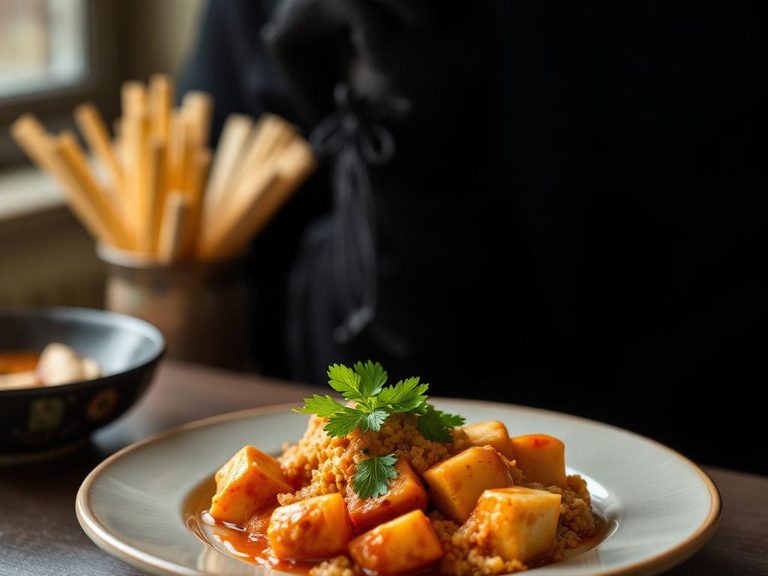
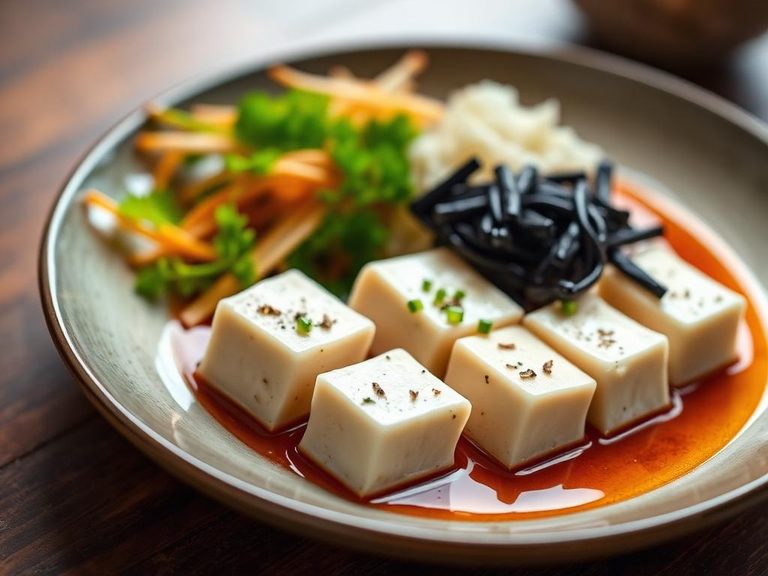
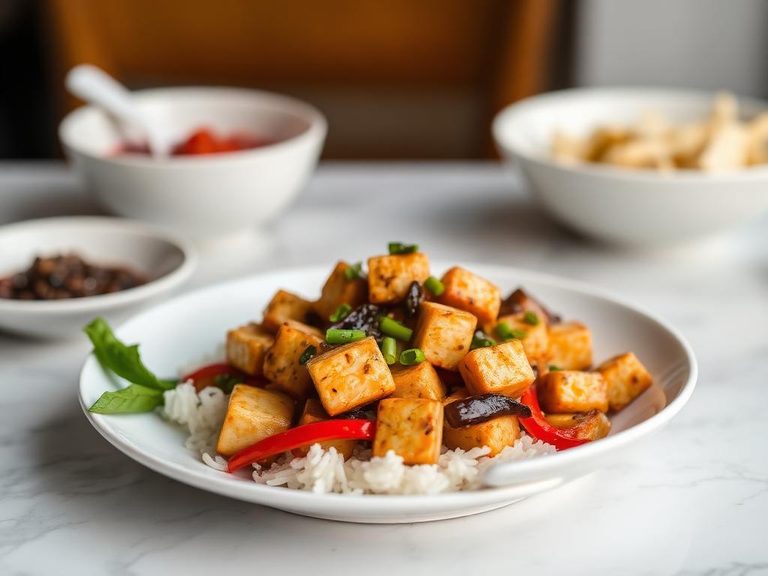
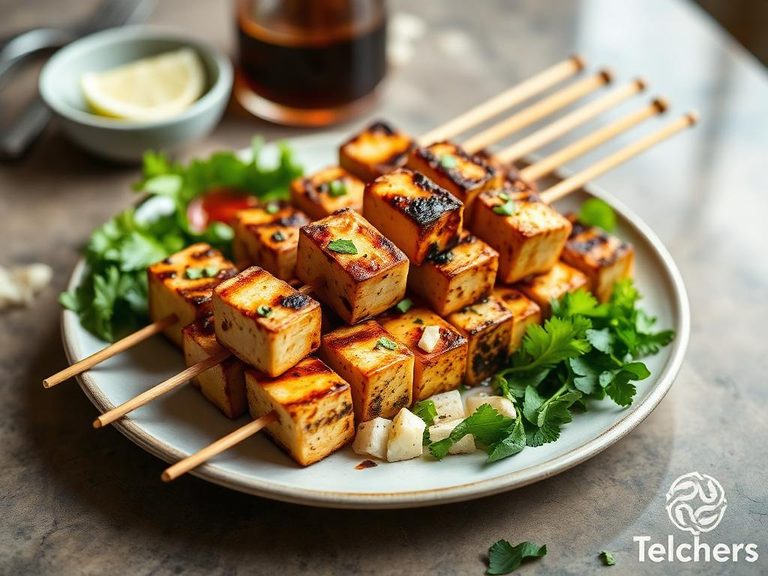
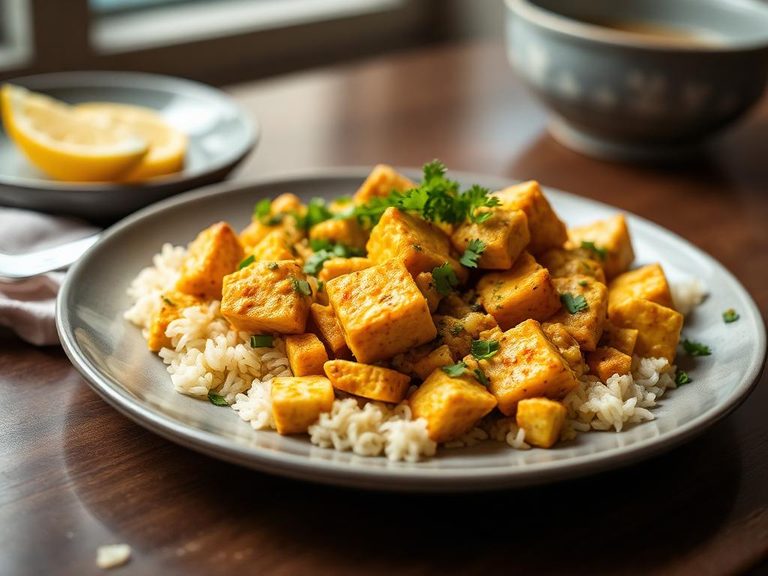
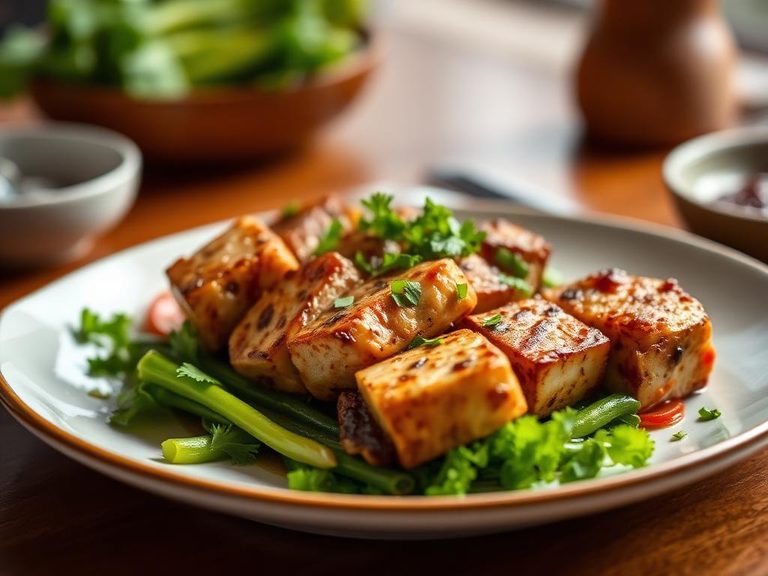
🌍 Where it's eaten
💡 Did you know?
Nigari, the coagulant used, is a natural mineral salt derived from seawater, and its use dates back over 2,000 years in East Asia, giving tofu a subtle, oceanic hint.
Full nutrition (USDA data · scales with serving)
| Water | 71.1 g |
| Energy | 145 kcal |
| Energy | 609 kj |
| Protein | 12.7 g |
| Total lipid (fat) | 10.0 g |
| Ash | 1.8 g |
| Carbohydrate, by difference | 4.4 g |
| Fiber, total dietary | 0.60 g |
| Calcium, Ca | 345 mg |
| Iron, Fe | 2.8 mg |
| Magnesium, Mg | 53.0 mg |
| Phosphorus, P | 231 mg |
| Potassium, K | 146 mg |
| Sodium, Na | 2.0 mg |
| Zinc, Zn | 1.7 mg |
| Copper, Cu | 0.33 mg |
| Manganese, Mn | 1.1 mg |
| Selenium, Se | 16.8 ug |
| Vitamin C, total ascorbic acid | 0.30 mg |
| Thiamin | 0.04 mg |
| Riboflavin | 0.08 mg |
| Niacin | 0.64 mg |
| Pantothenic acid | 0.04 mg |
| Vitamin B-6 | 0.04 mg |
| Folate, total | 22.0 ug |
| Folic acid | 0.00 ug |
| Folate, food | 22.0 ug |
| Folate, DFE | 22.0 ug |
| Vitamin B-12 | 0.00 ug |
| Vitamin D (D2 + D3), International Units | 0.00 iu |
| Vitamin D (D2 + D3) | 0.00 ug |
Fat & fatty acid profile (per 100g)
| Fatty acids, total saturated | 1.4 g |
| SFA 14:0 | 0.03 g |
| SFA 16:0 | 1.1 g |
| SFA 18:0 | 0.36 g |
| Fatty acids, total monounsaturated | 2.2 g |
| MUFA 16:1 | 0.03 g |
| MUFA 18:1 | 2.2 g |
| Fatty acids, total polyunsaturated | 5.6 g |
| PUFA 18:2 | 5.0 g |
| PUFA 18:3 | 0.67 g |
| Fatty acids, total trans | 0.00 g |
| Cholesterol | 0.00 mg |
Amino acid profile (per 100g)
| Tryptophan | 0.19 g |
| Threonine | 0.63 g |
| Isoleucine | 0.68 g |
| Leucine | 1.1 g |
| Lysine | 0.71 g |
| Methionine | 0.17 g |
| Cystine | 0.05 g |
| Phenylalanine | 0.67 g |
| Tyrosine | 0.56 g |
| Valine | 0.70 g |
| Arginine | 1.1 g |
| Histidine | 0.35 g |
| Alanine | 0.62 g |
| Aspartic acid | 1.6 g |
| Glutamic acid | 2.6 g |
| Glycine | 0.59 g |
| Proline | 0.87 g |
| Serine | 0.81 g |
FAQ
What is the difference between nigari tofu and regular tofu?
Nigari tofu is coagulated with magnesium chloride (nigari), which gives it a firmer texture and a slightly mineral taste, whereas regular tofu often uses calcium sulfate or other coagulants, resulting in a softer texture and milder flavor.
Can I use hard tofu in salads?
Yes, but it's best to press it first to remove excess moisture, then cube it and either pan-fry or bake it for a crispy texture that adds a satisfying crunch to salads.
Is hard tofu suitable for people with soy allergies?
No, tofu is made from soybeans, so it is not suitable for those with soy allergies. Consider alternatives like chickpea tofu or paneer.
Nutrient density (calculated · NRF9.3)
Nutrient Rich Foods index: beneficial nutrients (protein, fiber, vitamins, minerals) minus saturated fat, added sugar & sodium, per 100 kcal.
NRF9.3 index — Fulgoni, Keast & Drewnowski, 2009. Computed from USDA nutrients.
Weight-loss friendliness (composite index)
Energy density 1.45 kcal/g · 35% calories from protein · 0.6 g fiber · 0.0 g sugar per 100 g.
Composite of energy density (Rolls et al., 1999), protein & fiber satiety, minus sugar. A calculated heuristic — ranks satiety-per-calorie, not a clinical measure.
Dietary load (calculated from USDA values)
Potential renal acid load. Positive = acid-forming, negative = alkaline-forming.
Sodium-to-potassium ratio: 0.01 (lower is better — aim for ≤ 1)
Sodium:potassium per WHO potassium guidance. Computed from USDA nutrients.