

Tea, herbal, brewed, Hohoysi (Hopi)
Whole food · American Indian/Alaska Native Foods

Photo: Wikipedia
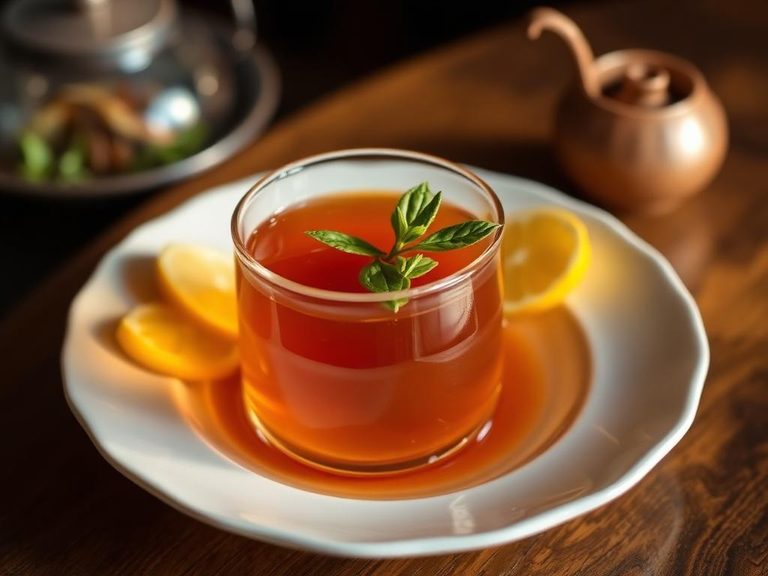
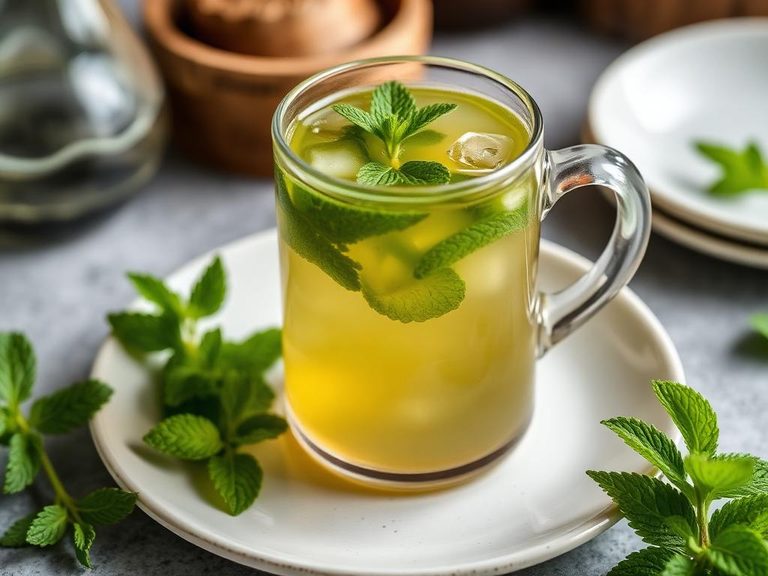
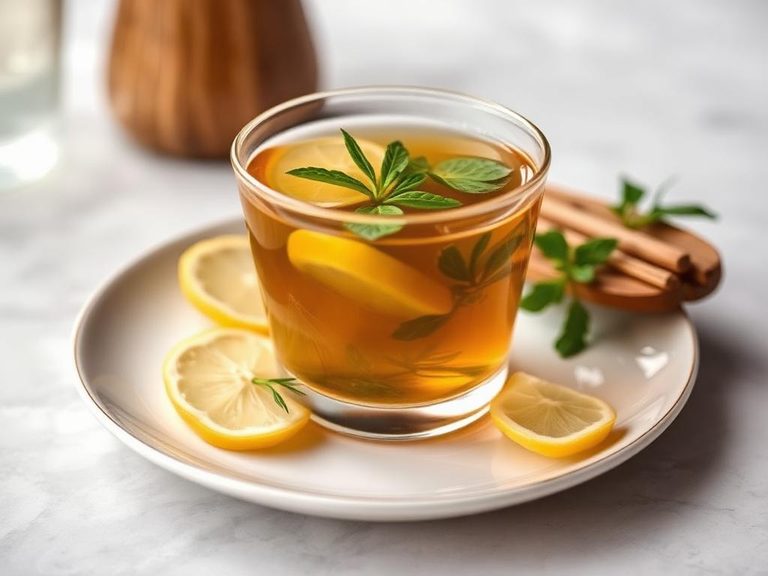
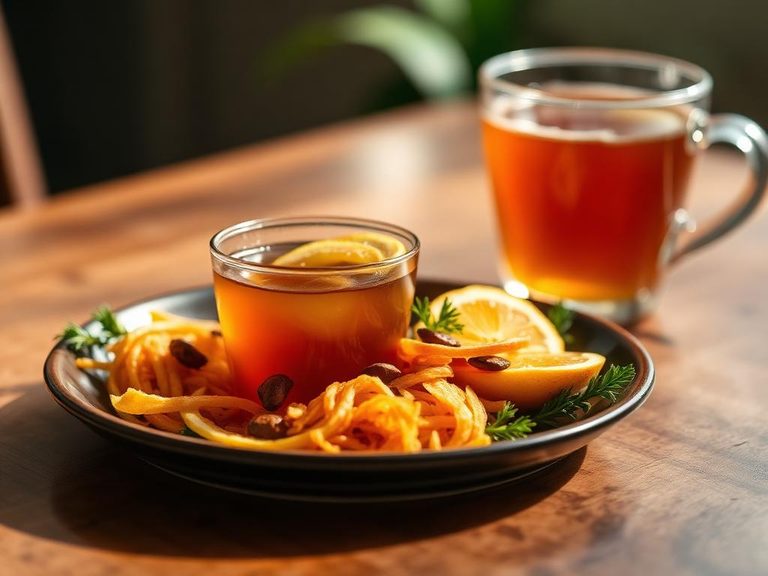
Hohoysi is a traditional Hopi herbal tea brewed from the leaves of the wild mint plant (Hedeoma drummondii). It offers a delicate, slightly minty and earthy flavor with a clear, light texture. Nutritionally, it is virtually calorie-free, making it a hydrating, zero-sugar beverage.
Calorie split: 21% protein · 0% carbs · 79% fat
↓ Full nutrition💚 Why it's loved
People love Hohoysi for its authentic, earthy connection to Hopi tradition and its gentle, refreshing taste that soothes without caffeine. It's cherished as a simple, natural beverage that embodies cultural heritage.
⚠️ Watch-outs & how to enjoy it better
As a herbal infusion, it may cause mild digestive upset in some individuals if consumed in large quantities. Those with allergies to the mint family (Lamiaceae) should exercise caution. To mitigate, start with a small cup and ensure the tea is properly brewed from a trusted source.
Key benefits
- Naturally calorie-free and hydrating
- Contains no sugar, fat, or carbohydrates
- Serves as a caffeine-free herbal alternative
- Traditional digestive and soothing remedy
- Provides a subtle, natural flavor without additives
🍽️ Popular dishes
🌍 Where it's eaten
💡 Did you know?
The name 'Hohoysi' comes from the Hopi language, and the plant is specifically gathered and dried by Hopi community members, making it a culturally significant wild-harvested herb.
Full nutrition (USDA data · scales with serving)
| Water | 99.6 g |
| Energy | 2.0 kcal |
| Energy | 10.0 kj |
| Protein | 0.12 g |
| Total lipid (fat) | 0.20 g |
| Ash | 0.13 g |
| Carbohydrate, by difference | 0.00 g |
| Calcium, Ca | 5.0 mg |
| Iron, Fe | 0.03 mg |
| Magnesium, Mg | 0.00 mg |
| Phosphorus, P | 0.00 mg |
| Potassium, K | 44.0 mg |
| Sodium, Na | 27.0 mg |
| Zinc, Zn | 0.05 mg |
| Copper, Cu | 0.01 mg |
| Manganese, Mn | 0.00 mg |
Fat & fatty acid profile (per 100g)
Estimated from Cookies, animal crackers (includes arrowroot, tea biscuits) — USDA does not publish this profile for Tea.
| Fatty acids, total saturated | 3.5 g |
| SFA 4:0 | 0.00 g |
| SFA 6:0 | 0.00 g |
| SFA 8:0 | 0.00 g |
| SFA 10:0 | 0.00 g |
| SFA 12:0 | 0.00 g |
| SFA 14:0 | 0.07 g |
| SFA 16:0 | 1.8 g |
| SFA 18:0 | 1.6 g |
| Fatty acids, total monounsaturated | 7.7 g |
| MUFA 16:1 | 0.00 g |
| MUFA 18:1 | 7.7 g |
| MUFA 20:1 | 0.00 g |
| MUFA 22:1 | 0.00 g |
| Fatty acids, total polyunsaturated | 1.9 g |
| PUFA 18:2 | 1.8 g |
| PUFA 18:3 | 0.10 g |
| PUFA 18:4 | 0.00 g |
| PUFA 20:4 | 0.00 g |
| PUFA 20:5 n-3 (EPA) | 0.00 g |
| PUFA 22:5 n-3 (DPA) | 0.00 g |
| PUFA 22:6 n-3 (DHA) | 0.00 g |
| Cholesterol | 0.00 mg |
Amino acid profile (per 100g)
Estimated from Cookies, animal crackers (includes arrowroot, tea biscuits) — USDA does not publish this profile for Tea.
| Tryptophan | 0.10 g |
| Threonine | 0.19 g |
| Isoleucine | 0.26 g |
| Leucine | 0.47 g |
| Lysine | 0.24 g |
| Methionine | 0.12 g |
| Cystine | 0.15 g |
| Phenylalanine | 0.32 g |
| Tyrosine | 0.20 g |
| Valine | 0.30 g |
| Arginine | 0.26 g |
| Histidine | 0.14 g |
| Alanine | 0.21 g |
| Aspartic acid | 0.29 g |
| Glutamic acid | 2.3 g |
| Glycine | 0.23 g |
| Proline | 0.76 g |
| Serine | 0.36 g |
FAQ
What does Hohoysi tea taste like?
It has a mild, earthy flavor with subtle minty and slightly floral notes, similar to other wild herbal teas but less intense than commercial peppermint.
Is Hohoysi tea caffeinated?
No, it is a completely caffeine-free herbal infusion, making it suitable for any time of day.
How is Hohoysi traditionally prepared?
Dried Hedeoma drummondii leaves are steeped in hot water for several minutes, then strained. It is often enjoyed plain without added sweeteners.
Nutrient density (calculated · NRF9.3)
Nutrient Rich Foods index: beneficial nutrients (protein, fiber, vitamins, minerals) minus saturated fat, added sugar & sodium, per 100 kcal.
NRF9.3 index — Fulgoni, Keast & Drewnowski, 2009. Computed from USDA nutrients.
Weight-loss friendliness (composite index)
Energy density 0.02 kcal/g · 24% calories from protein · 0.0 g fiber · 0.0 g sugar per 100 g.
Composite of energy density (Rolls et al., 1999), protein & fiber satiety, minus sugar. A calculated heuristic — ranks satiety-per-calorie, not a clinical measure.
Dietary load (calculated from USDA values)
Potential renal acid load. Positive = acid-forming, negative = alkaline-forming.
Sodium-to-potassium ratio: 0.61 (lower is better — aim for ≤ 1)
Sodium:potassium per WHO potassium guidance. Computed from USDA nutrients.