Ceremonial Herbal Infusion
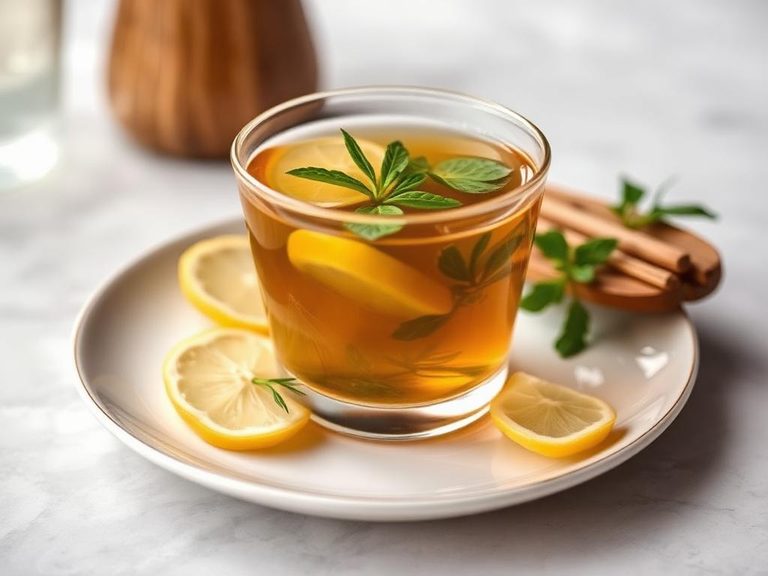
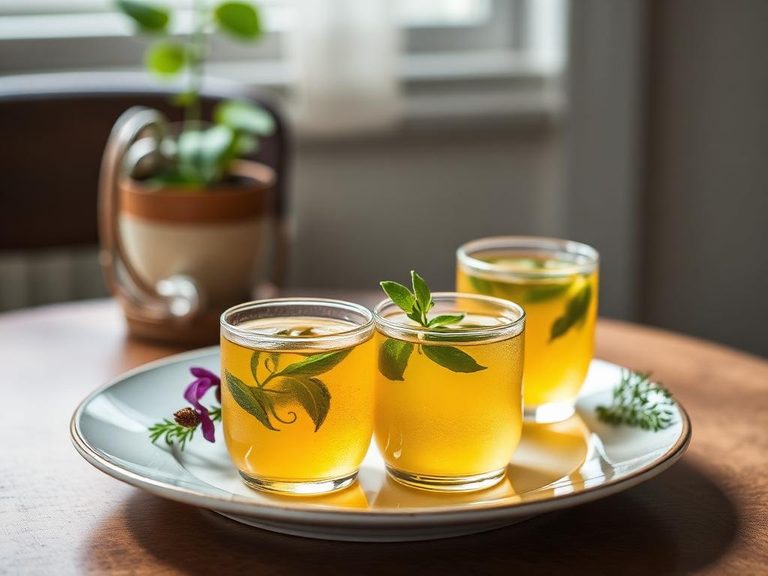
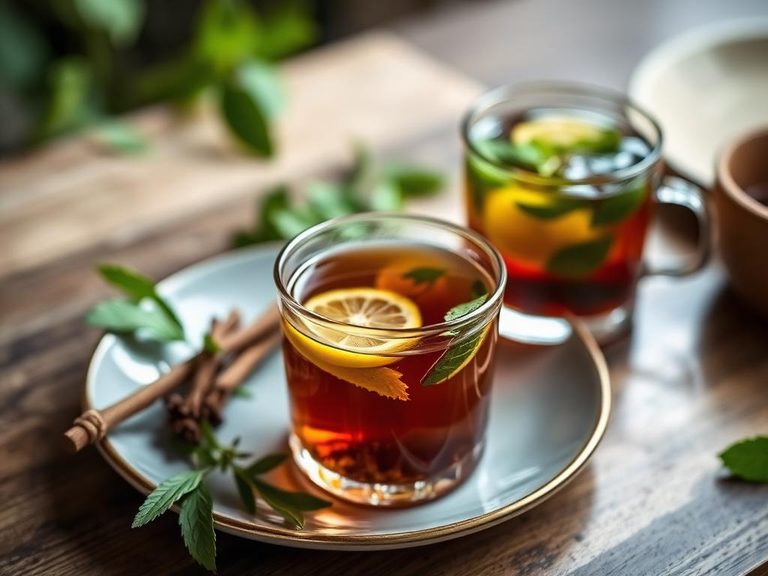
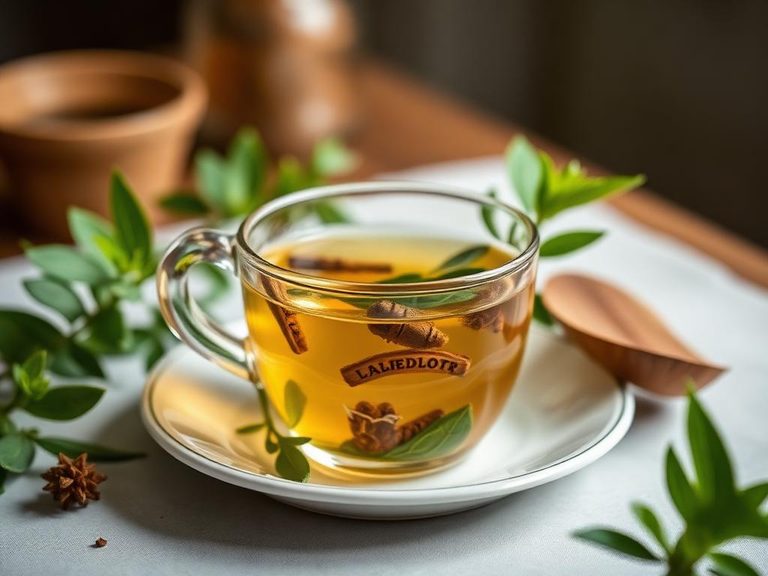
Ceremonial Herbal Infusion is a traditional, non-caffeinated beverage prepared by steeping a blend of dried herbs, flowers, and roots in hot water. It is deeply rooted in various cultural rituals and wellness practices, particularly in East Asian and Indigenous traditions, where it is valued for its aromatic and soothing properties.
🍽️ Nutrition at a glance
This infusion is virtually calorie-free, containing negligible amounts of carbohydrates, fat, and protein. Its primary nutritional contribution comes from trace minerals and phytonutrients extracted from the herbs, such as potassium and magnesium, which can support hydration and general well-being.
Nutrition breakdown
| Calories | 5 kcal |
| Protein | 0.1 g |
| Carbs | 1.2 g |
| Fat | 0 g |
| Fiber | 0 g |
| Sugar | 0.5 g |
| Sodium | 5 mg |
| Potassium | 45 mg |
| Magnesium | 8 mg |
| Calcium | 10 mg |
| Manganese | 0.2 mg |
| Iron | 0.3 mg |
| Zinc | 0.1 mg |
| Copper | 0.05 mg |
| Phosphorus | 15 mg |
Per 1 cup (240 g) · estimated, varies by recipe
💡 What's interesting
The unique aspect of a ceremonial infusion lies in its ritualistic preparation and consumption, often intended to promote mindfulness, calm, and a connection to cultural heritage. Nutritionally, it serves as a hydrating, antioxidant-rich alternative to plain water, offering subtle benefits from the plant compounds without the stimulants found in tea or coffee.