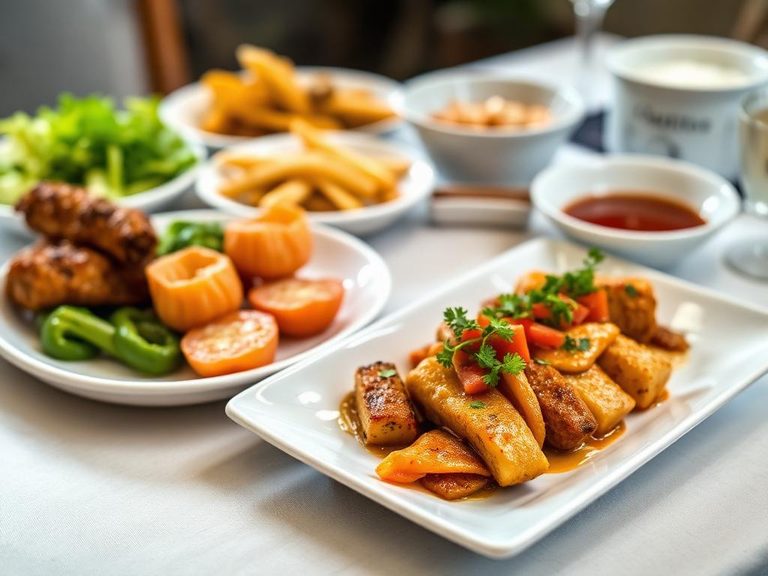
Traditional ceremonial offering
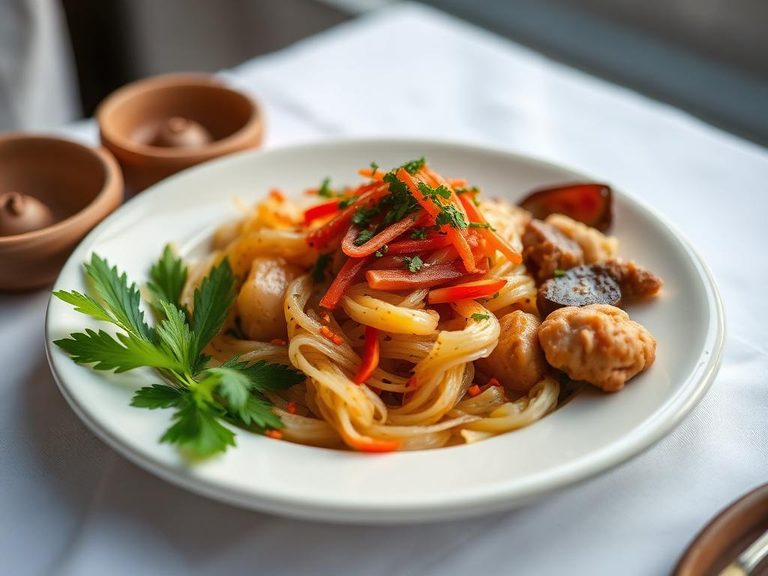
Traditional ceremonial offerings are symbolic food presentations used in various cultures, often as a sign of respect, gratitude, or spiritual connection. They typically include items like rice, fruits, vegetables, sweets, and sometimes cooked dishes, arranged on a special plate or tray. The specific ingredients and presentation vary widely depending on the cultural or religious tradition, such as in Hindu, Buddhist, or ancestral worship practices.
🍽️ Nutrition at a glance
The nutritional profile depends heavily on the specific items included, but offerings often feature a balance of carbohydrates from rice or grains, natural sugars from fruits, and some protein or fat if cooked dishes are present. A typical serving might provide a moderate amount of energy, around 200-400 calories, with key nutrients like fiber, vitamins from fruits, and minerals from grains.
Nutrition breakdown
| Calories | 320 kcal |
| Protein | 6 g |
| Carbs | 65 g |
| Fat | 5 g |
| Fiber | 8 g |
| Sugar | 20 g |
| Sodium | 150 mg |
| Potassium | 400 mg |
| Vitamin C | 15 mg |
| Iron | 2 mg |
| Calcium | 50 mg |
| Magnesium | 40 mg |
| Phosphorus | 100 mg |
| Vitamin A | 200 IU |
| Zinc | 1 mg |
Per 1 ceremonial plate (approx. 300 g) · estimated, varies by recipe
💡 What's interesting
What makes these offerings unique is their deep cultural and spiritual significance, often symbolizing purity, abundance, or the cycle of life, rather than being primarily for consumption. Nutritionally, they can represent a balanced, whole-food meal that reflects traditional dietary wisdom and seasonal availability.