

Sopaipilla with syrup or honey
Common food

Photo: Wikipedia
A sopaipilla is a golden, pillow-shaped pastry that puffs up into a crisp, airy shell with a tender, slightly chewy interior. Drizzled with syrup or honey, it offers a delightful contrast of crunchy, flaky layers and a sweet, sticky glaze. Nutritionally, it's a high-energy treat, primarily delivering quick-release carbohydrates and fats from frying.
Calorie split: 5% protein · 56% carbs · 39% fat
↓ Full nutrition💚 Why it's loved
People adore sopaipillas for their irresistible combination of textures—the shattering crispness giving way to a soft, airy center—and the simple, profound pleasure of hot pastry with sweet syrup. They are deeply tied to festive occasions and family gatherings in many cultures, evoking nostalgia and celebration.
⚠️ Watch-outs & how to enjoy it better
The high carbohydrate and fat content, especially when fried and drenched in syrup, can lead to significant blood-sugar spikes and is calorie-dense. To mitigate this, pair a small portion with a source of protein or healthy fat (like a dollop of Greek yogurt or nuts) to slow sugar absorption, and practice mindful portion control.
Key benefits
- Provides a rapid source of energy from carbohydrates and fats.
- Contains small amounts of protein and minimal fiber.
- A traditional comfort food with cultural significance in many regions.
- Can be a versatile base for both sweet and savory preparations.
🍽️ Popular dishes
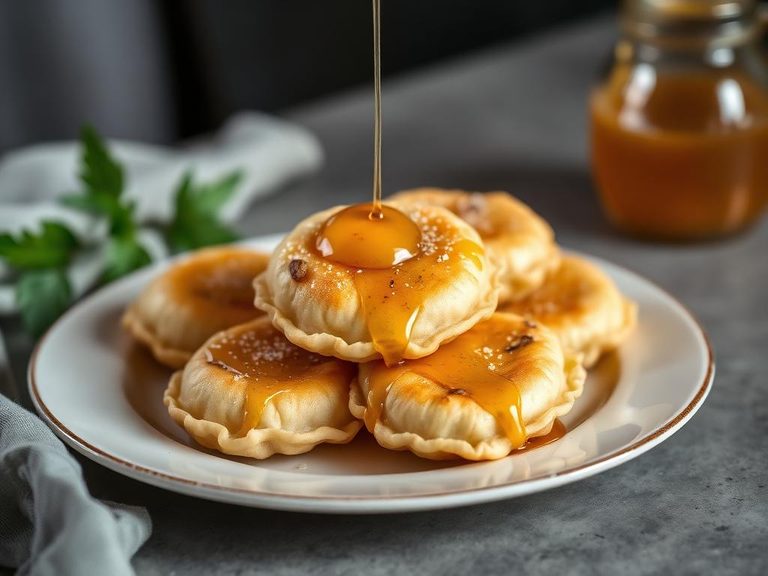 Sopaipillas con miel (with honey)
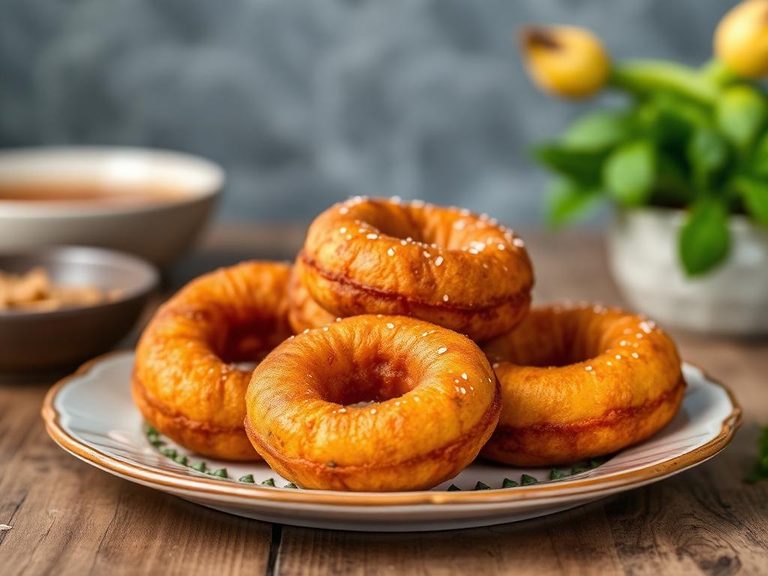 Picarones (Peruvian squash and sweet potato doughnuts, a related concept)
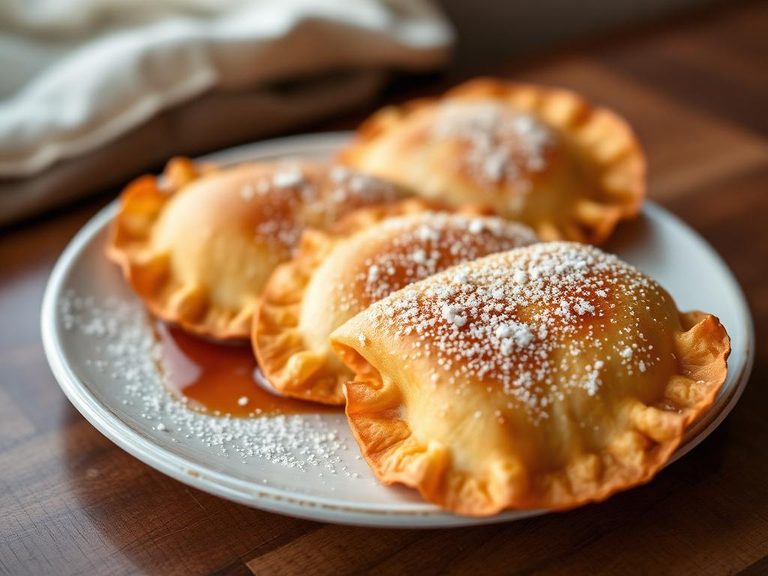 Sopaipillas pasadas (Chilean, soaked in chancaca syrup)
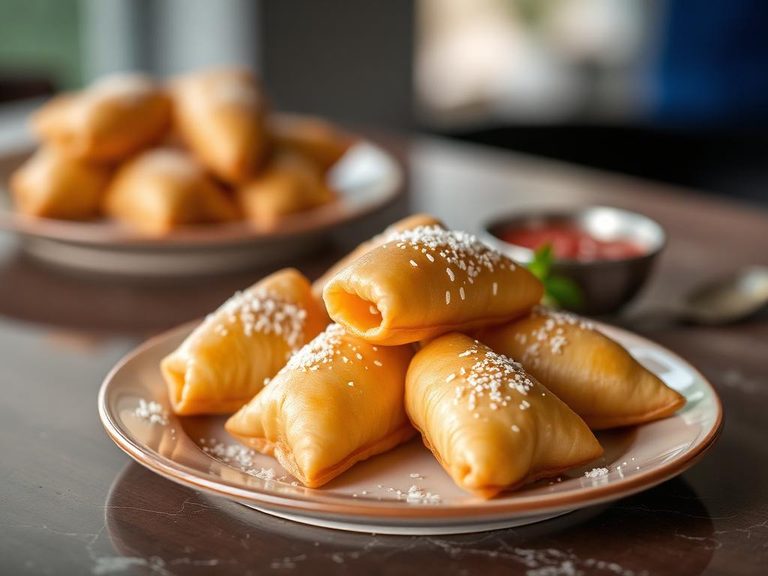 Sopapillas (Mexican-American, often served with honey or cinnamon sugar)
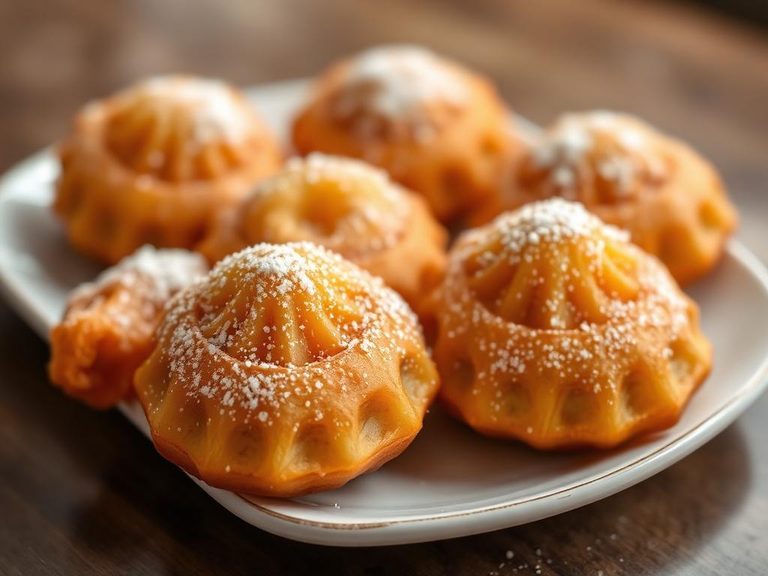 Buñuelos (a similar fried dough treat in many Latin cuisines)
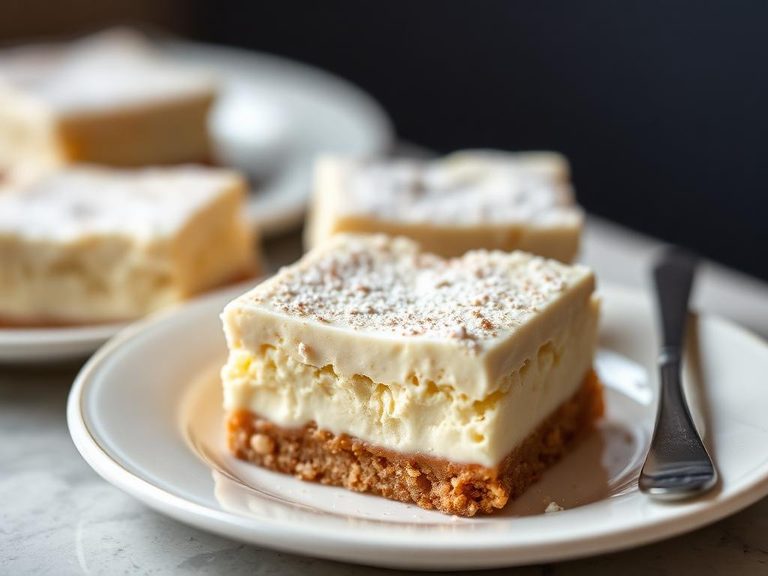 Sopaipilla cheesecake bars (a modern American dessert variation)
🌍 Where it's eaten
💡 Did you know?
The word 'sopaipilla' is thought to derive from the German 'Speckkuchen' (lard cake), brought to Chile by German settlers in the 18th century, showcasing a fascinating culinary migration.
Full nutrition (USDA data · scales with serving)
| Water | 25.2 g |
| Energy | 361 kcal |
| Protein | 4.4 g |
| Total lipid (fat) | 16.3 g |
| Carbohydrate, by difference | 51.7 g |
| Fiber, total dietary | 1.1 g |
| Total Sugars | 20.9 g |
| Calcium, Ca | 75.0 mg |
| Iron, Fe | 2.5 mg |
| Magnesium, Mg | 12.0 mg |
| Phosphorus, P | 68.0 mg |
| Potassium, K | 67.0 mg |
| Sodium, Na | 670 mg |
| Zinc, Zn | 0.34 mg |
| Copper, Cu | 0.07 mg |
| Selenium, Se | 6.4 ug |
| Vitamin C, total ascorbic acid | 0.10 mg |
| Thiamin | 0.28 mg |
| Riboflavin | 0.17 mg |
| Niacin | 2.4 mg |
| Vitamin B-6 | 0.03 mg |
| Folate, total | 42.0 ug |
| Folic acid | 35.0 ug |
| Folate, food | 6.0 ug |
| Folate, DFE | 66.0 ug |
| Choline, total | 4.5 mg |
| Vitamin B-12 | 0.00 ug |
| Vitamin B-12, added | 0.00 ug |
| Vitamin A, RAE | 0.00 ug |
| Retinol | 0.00 ug |
| Carotene, beta | 0.00 ug |
| Carotene, alpha | 0.00 ug |
| Cryptoxanthin, beta | 0.00 ug |
| Lycopene | 0.00 ug |
| Lutein + zeaxanthin | 6.0 ug |
| Vitamin E (alpha-tocopherol) | 0.98 mg |
| Vitamin E, added | 0.00 mg |
| Vitamin D (D2 + D3) | 0.00 ug |
| Vitamin K (phylloquinone) | 8.5 ug |
| Alcohol, ethyl | 0.00 g |
| Caffeine | 0.00 mg |
| Theobromine | 0.00 mg |
Fat & fatty acid profile (per 100g)
| Fatty acids, total saturated | 4.0 g |
| SFA 4:0 | 0.00 g |
| SFA 6:0 | 0.00 g |
| SFA 8:0 | 0.00 g |
| SFA 10:0 | 0.00 g |
| SFA 12:0 | 0.00 g |
| SFA 14:0 | 0.03 g |
| SFA 16:0 | 2.0 g |
| SFA 18:0 | 1.8 g |
| Fatty acids, total monounsaturated | 6.5 g |
| MUFA 16:1 | 0.00 g |
| MUFA 18:1 | 6.5 g |
| MUFA 20:1 | 0.01 g |
| MUFA 22:1 | 0.00 g |
| Fatty acids, total polyunsaturated | 4.6 g |
| PUFA 18:2 | 4.3 g |
| PUFA 18:3 | 0.30 g |
| PUFA 18:4 | 0.00 g |
| PUFA 20:4 | 0.00 g |
| PUFA 20:5 n-3 (EPA) | 0.00 g |
| PUFA 22:5 n-3 (DPA) | 0.00 g |
| PUFA 22:6 n-3 (DHA) | 0.00 g |
| Cholesterol | 0.00 mg |
FAQ
What's the difference between a sopaipilla and a beignet?
While both are fried dough, sopaipillas are typically leavened with baking powder, resulting in a puffier, more bread-like interior, and are often served savory or sweet with syrup. Beignets (like New Orleans style) are usually yeast-leavened, lighter, and dusted with powdered sugar.
Can sopaipillas be baked instead of fried?
Yes, baking is a common healthier alternative. Baked sopaipillas will be less uniformly crisp and golden but still puff up and provide a lighter texture with significantly less fat.
Are sopaipillas gluten-free?
Traditional sopaipillas are made with wheat flour and are not gluten-free. However, gluten-free versions can be made using alternative flour blends designed for frying or baking.
Nutrient density (calculated · NRF9.3)
Nutrient Rich Foods index: beneficial nutrients (protein, fiber, vitamins, minerals) minus saturated fat, added sugar & sodium, per 100 kcal.
NRF9.3 index — Fulgoni, Keast & Drewnowski, 2009. Computed from USDA nutrients.
Weight-loss friendliness (composite index)
Energy density 3.61 kcal/g · 5% calories from protein · 1.1 g fiber · 20.9 g sugar per 100 g.
Composite of energy density (Rolls et al., 1999), protein & fiber satiety, minus sugar. A calculated heuristic — ranks satiety-per-calorie, not a clinical measure.
Dietary load (calculated from USDA values)
Potential renal acid load. Positive = acid-forming, negative = alkaline-forming.
Sodium-to-potassium ratio: 10.00 (lower is better — aim for ≤ 1)
Sodium:potassium per WHO potassium guidance. Computed from USDA nutrients.