

Sopaipilla, without syrup or honey
Common food

Photo: Wikipedia
Sopaipilla is a golden, puffy, pillow-shaped fried pastry made from a simple wheat dough. Without syrup or honey, it offers a satisfyingly crisp exterior and a soft, airy interior with a mild, slightly savory, wheaty flavor. Nutritionally, it's a calorie-dense food, primarily providing energy from carbohydrates and fats.
Calorie split: 6% protein · 45% carbs · 49% fat
↓ Full nutrition💚 Why it's loved
People love sopaipillas for their delightful textural contrast—the shattering crispness giving way to a tender, steamy center. They are a beloved cultural staple, often enjoyed as a comforting street food or a festive treat.
⚠️ Watch-outs & how to enjoy it better
As a deep-fried pastry, it is high in fat and calories, which can contribute to weight gain if consumed frequently. The refined carbohydrates can cause rapid blood-sugar spikes. To counteract this, pair it with a protein-rich side (like beans or eggs) or a high-fiber vegetable dish, and practice portion control by enjoying a single piece as part of a balanced meal.
Key benefits
- Quick source of energy from carbohydrates
- Provides a small amount of plant-based protein
- Contains dietary fiber from wheat flour
- Can be a comforting, warming food in cold climates
- Simple ingredient base (flour, fat, water)
🍽️ Popular dishes
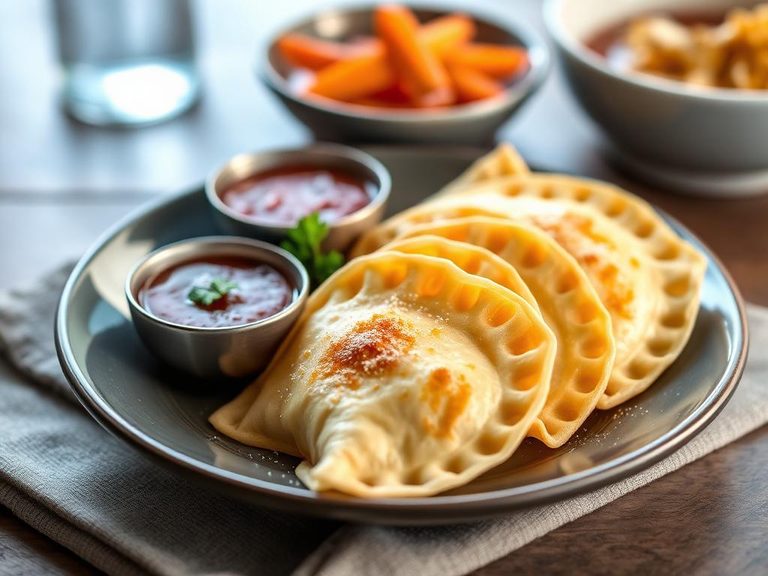
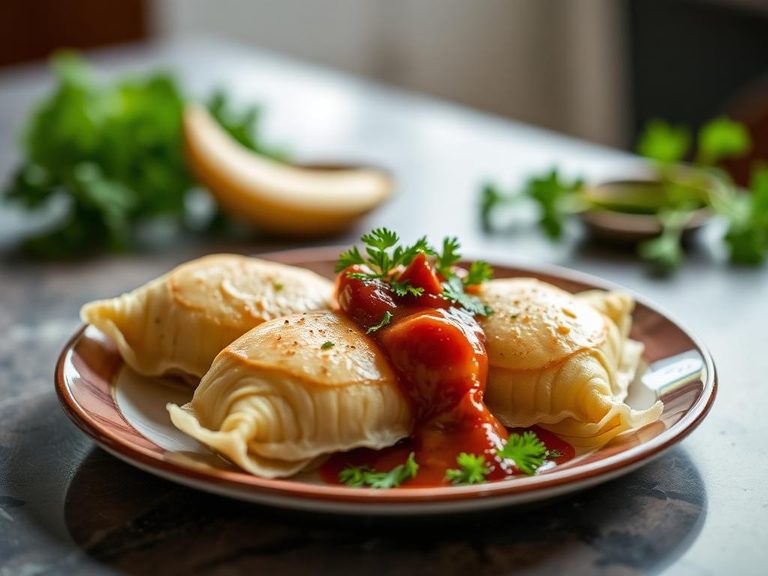
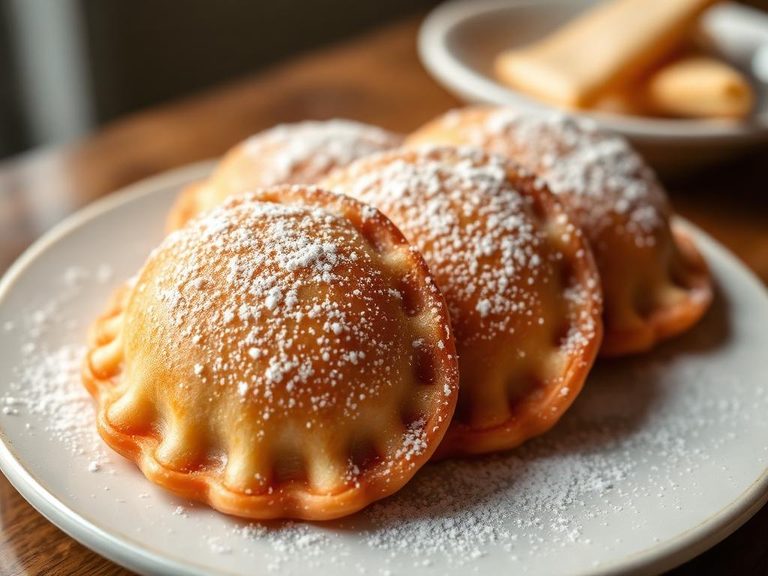
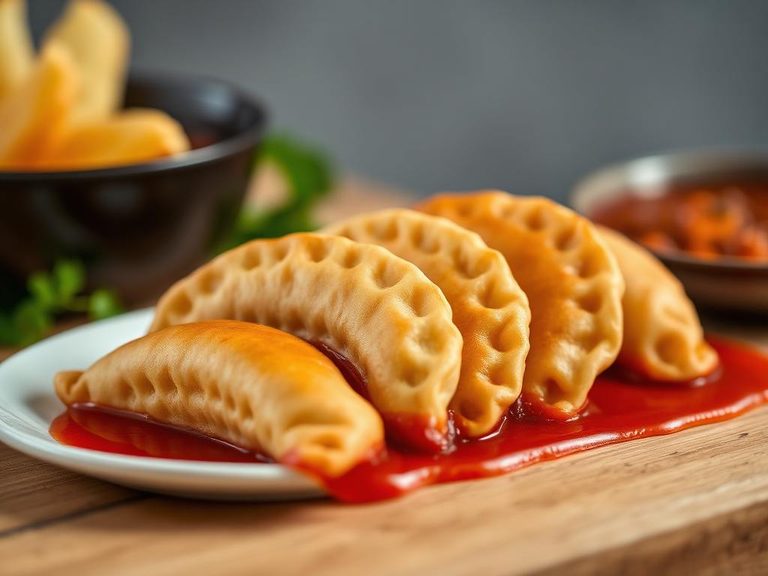
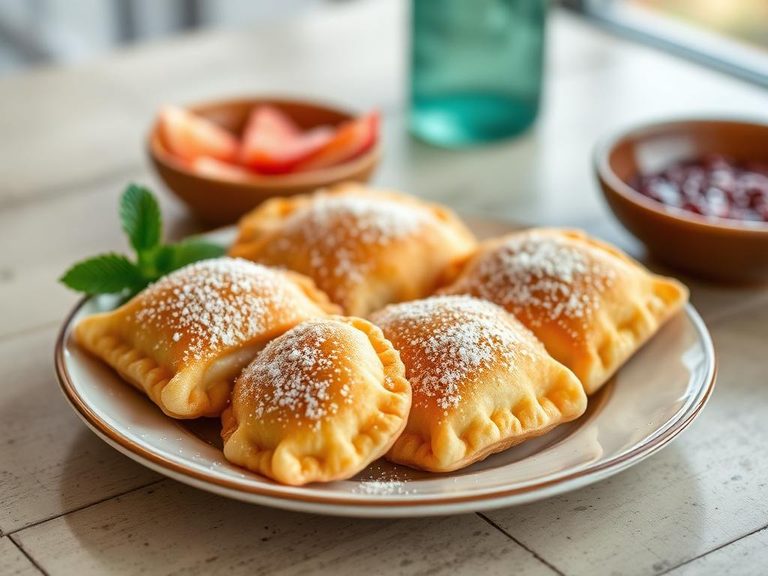
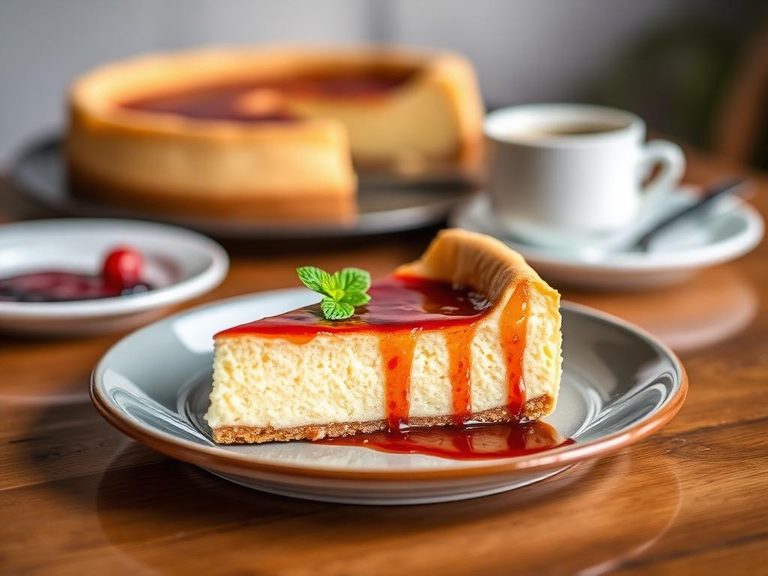
🌍 Where it's eaten
💡 Did you know?
In Chile, sopaipillas are traditionally eaten on rainy days ("días de sopaipilla") and are a common sight sold by street vendors during winter.
Full nutrition (USDA data · scales with serving)
| Water | 29.4 g |
| Energy | 367 kcal |
| Protein | 5.8 g |
| Total lipid (fat) | 20.2 g |
| Carbohydrate, by difference | 41.5 g |
| Fiber, total dietary | 1.4 g |
| Total Sugars | 0.14 g |
| Calcium, Ca | 98.0 mg |
| Iron, Fe | 3.2 mg |
| Magnesium, Mg | 15.0 mg |
| Phosphorus, P | 89.0 mg |
| Potassium, K | 73.0 mg |
| Sodium, Na | 898 mg |
| Zinc, Zn | 0.38 mg |
| Copper, Cu | 0.09 mg |
| Selenium, Se | 8.3 ug |
| Vitamin C, total ascorbic acid | 0.00 mg |
| Thiamin | 0.38 mg |
| Riboflavin | 0.21 mg |
| Niacin | 3.2 mg |
| Vitamin B-6 | 0.03 mg |
| Folate, total | 55.0 ug |
| Folic acid | 47.0 ug |
| Folate, food | 8.0 ug |
| Folate, DFE | 88.0 ug |
| Choline, total | 5.3 mg |
| Vitamin B-12 | 0.00 ug |
| Vitamin B-12, added | 0.00 ug |
| Vitamin A, RAE | 0.00 ug |
| Retinol | 0.00 ug |
| Carotene, beta | 0.00 ug |
| Carotene, alpha | 0.00 ug |
| Cryptoxanthin, beta | 0.00 ug |
| Lycopene | 0.00 ug |
| Lutein + zeaxanthin | 8.0 ug |
| Vitamin E (alpha-tocopherol) | 1.2 mg |
| Vitamin E, added | 0.00 mg |
| Vitamin D (D2 + D3) | 0.00 ug |
| Vitamin K (phylloquinone) | 10.5 ug |
| Alcohol, ethyl | 0.00 g |
| Caffeine | 0.00 mg |
| Theobromine | 0.00 mg |
Fat & fatty acid profile (per 100g)
| Fatty acids, total saturated | 4.9 g |
| SFA 4:0 | 0.00 g |
| SFA 6:0 | 0.00 g |
| SFA 8:0 | 0.00 g |
| SFA 10:0 | 0.00 g |
| SFA 12:0 | 0.00 g |
| SFA 14:0 | 0.03 g |
| SFA 16:0 | 2.5 g |
| SFA 18:0 | 2.2 g |
| Fatty acids, total monounsaturated | 8.0 g |
| MUFA 16:1 | 0.00 g |
| MUFA 18:1 | 8.0 g |
| MUFA 20:1 | 0.02 g |
| MUFA 22:1 | 0.00 g |
| Fatty acids, total polyunsaturated | 5.7 g |
| PUFA 18:2 | 5.3 g |
| PUFA 18:3 | 0.38 g |
| PUFA 18:4 | 0.00 g |
| PUFA 20:4 | 0.00 g |
| PUFA 20:5 n-3 (EPA) | 0.00 g |
| PUFA 22:5 n-3 (DPA) | 0.00 g |
| PUFA 22:6 n-3 (DHA) | 0.00 g |
| Cholesterol | 0.00 mg |
FAQ
What is the difference between a sopaipilla and a beignet?
While both are fried dough, sopaipillas are typically leavened with baking powder, are pillow-shaped, and are a staple in South American cuisine. Beignets are often denser, square-shaped, and heavily associated with New Orleans or French cuisine, usually served with a mountain of powdered sugar.
Can sopaipillas be baked instead of fried?
Yes, baking is a common healthier alternative. Baked sopaipillas will be less crispy and more bread-like, but they significantly reduce the fat content. They are often brushed with a little oil before baking to aid browning.
Why do sopaipillas puff up?
The puffing is caused by steam. When the dough hits the hot oil, the water in it rapidly turns to steam, expanding the gluten structure and creating the characteristic hollow, airy interior before the crust sets.
Nutrient density (calculated · NRF9.3)
Nutrient Rich Foods index: beneficial nutrients (protein, fiber, vitamins, minerals) minus saturated fat, added sugar & sodium, per 100 kcal.
NRF9.3 index — Fulgoni, Keast & Drewnowski, 2009. Computed from USDA nutrients.
Weight-loss friendliness (composite index)
Energy density 3.67 kcal/g · 6% calories from protein · 1.4 g fiber · 0.1 g sugar per 100 g.
Composite of energy density (Rolls et al., 1999), protein & fiber satiety, minus sugar. A calculated heuristic — ranks satiety-per-calorie, not a clinical measure.
Dietary load (calculated from USDA values)
Potential renal acid load. Positive = acid-forming, negative = alkaline-forming.
Sodium-to-potassium ratio: 12.30 (lower is better — aim for ≤ 1)
Sodium:potassium per WHO potassium guidance. Computed from USDA nutrients.