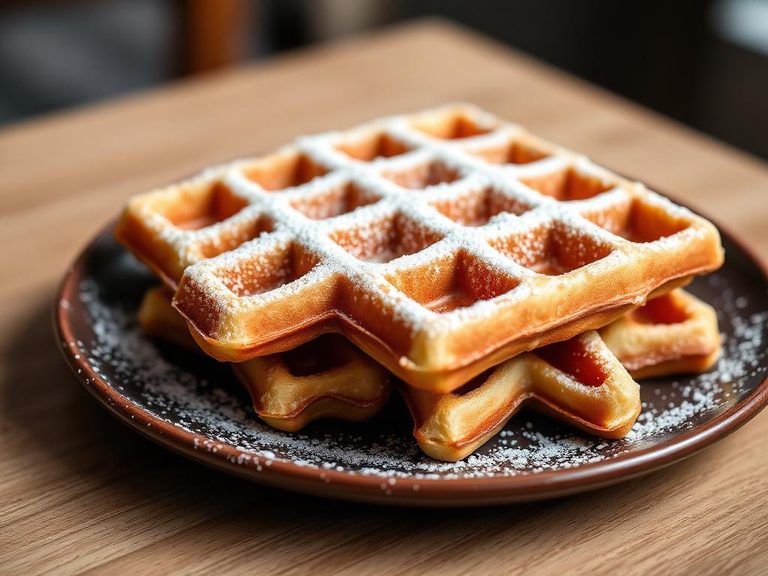
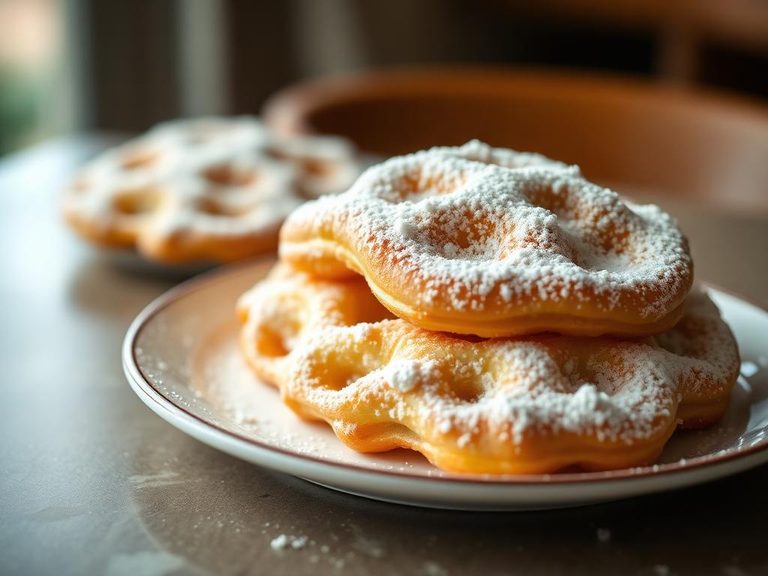
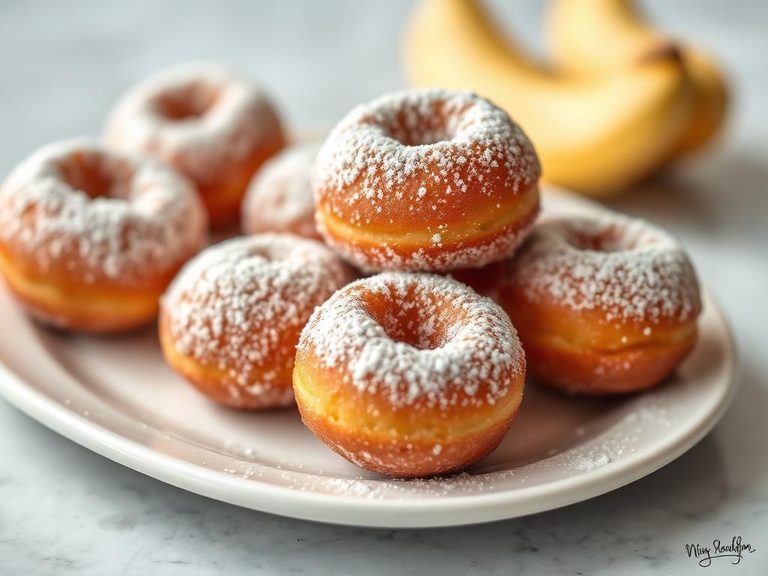
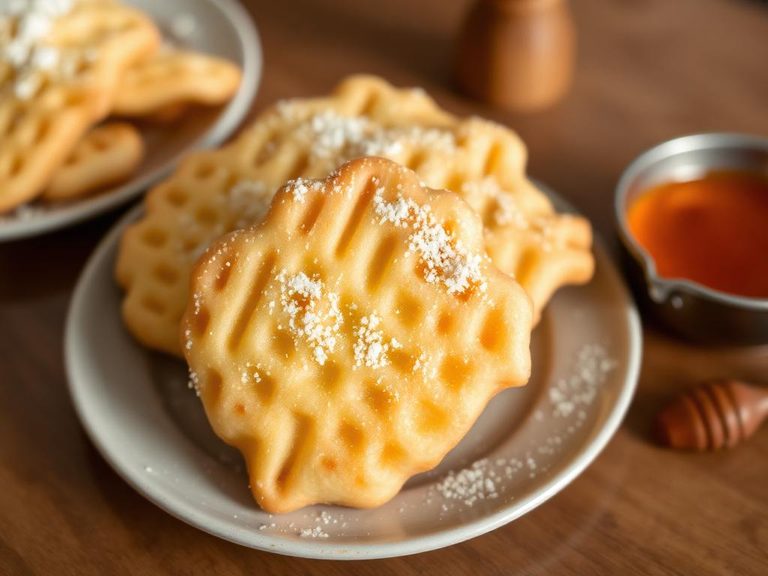
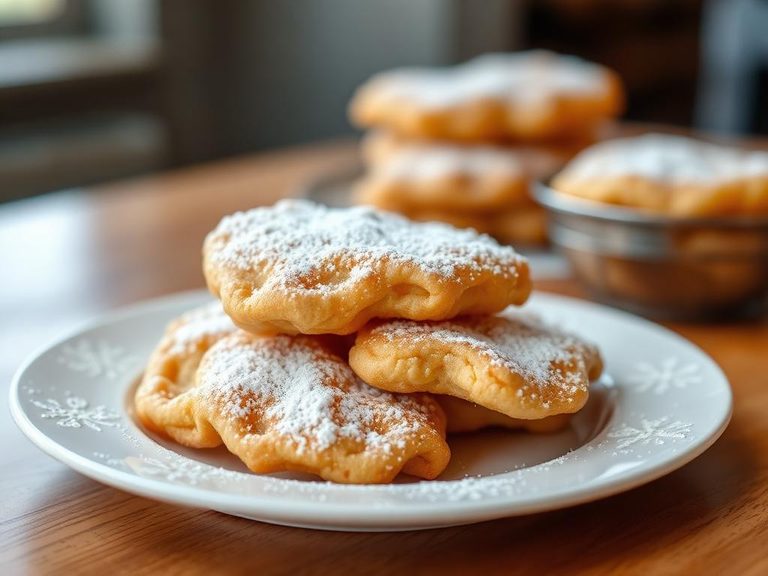
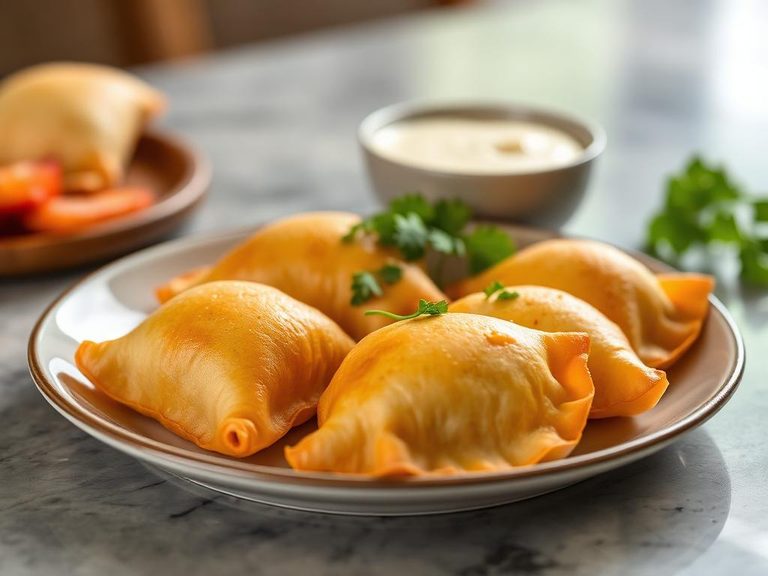
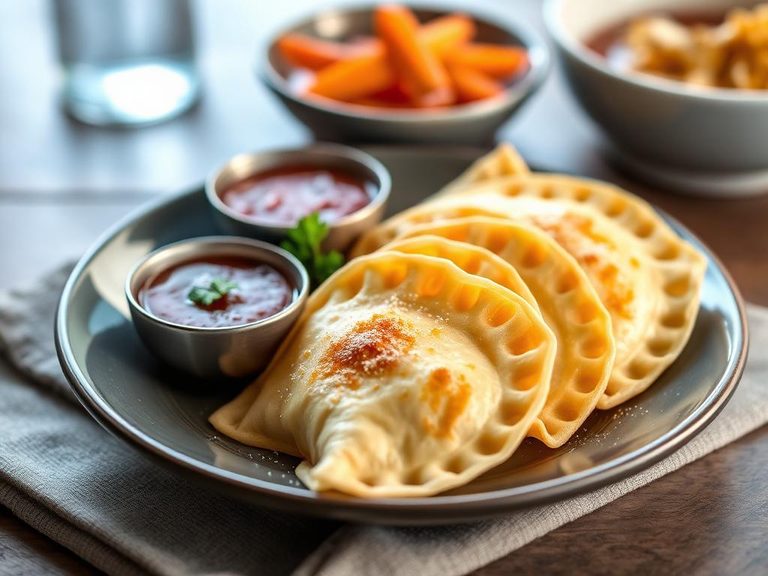
Sopaipillas with powdered sugar
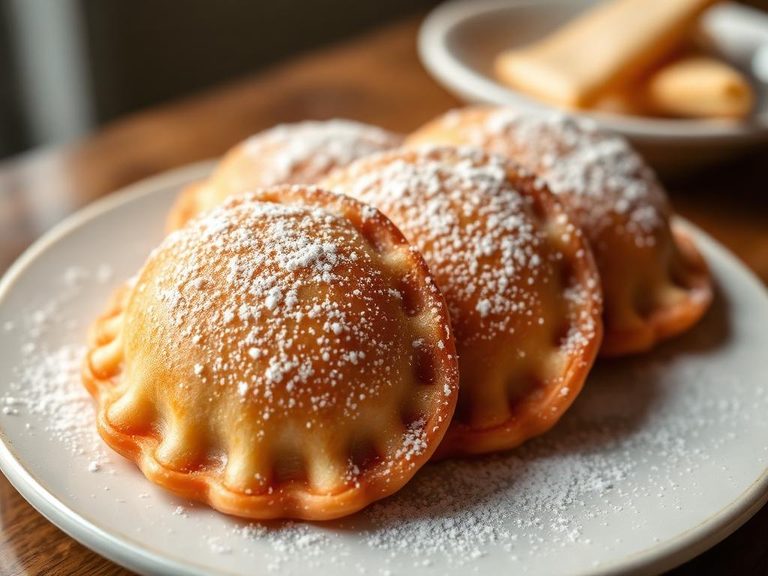
Sopaipillas are a popular fried pastry from Latin America, particularly Chile, made from a simple dough of flour, water, and fat, then deep-fried until puffy and golden. They are traditionally dusted with powdered sugar and served warm, often as a dessert or a sweet snack. The dish is especially associated with Chilean cuisine and is a common treat during festivals and family gatherings.
🍽️ Nutrition at a glance
Sopaipillas are high in carbohydrates and fat due to the deep-frying process and added sugar, providing quick energy but minimal protein. A typical serving offers a significant calorie load, primarily from refined carbs and fats, with small amounts of iron and B vitamins from the flour.
Nutrition breakdown
| Calories | 350 kcal |
| Protein | 5 g |
| Carbs | 45 g |
| Fat | 17 g |
| Fiber | 2 g |
| Sugar | 12 g |
| Sodium | 150 mg |
| Iron | 2.5 mg |
| Thiamin (B1) | 0.3 mg |
| Niacin (B3) | 3.5 mg |
| Folate | 60 mcg |
| Calcium | 30 mg |
| Phosphorus | 80 mg |
| Magnesium | 15 mg |
| Potassium | 100 mg |
Per 2 sopaipillas (about 100 g) · estimated, varies by recipe
💡 What's interesting
In Chile, sopaipillas are not just a dessert but also a beloved street food, often sold by vendors and enjoyed during rainy days or celebrations. Nutritionally, they are a classic example of a 'comfort food' that prioritizes taste and cultural tradition over health considerations.