

Snacks, rice cakes, brown rice, rye
Whole food · Snacks

Photo: Wikipedia
These are thin, crunchy puffed discs made from a blend of brown rice and rye, offering a nutty, earthy flavor with a satisfying snap. Their light, airy texture makes them a blank canvas for both savory and sweet toppings. Nutritionally, they are a high-carbohydrate, low-fat snack with a modest protein content, providing quick energy without significant fat.
Calorie split: 8% protein · 83% carbs · 9% fat
↓ Full nutrition💚 Why it's loved
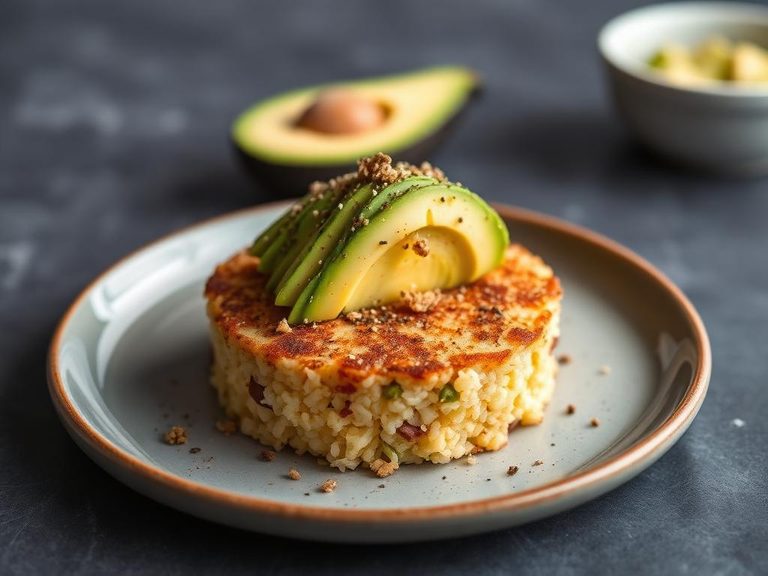
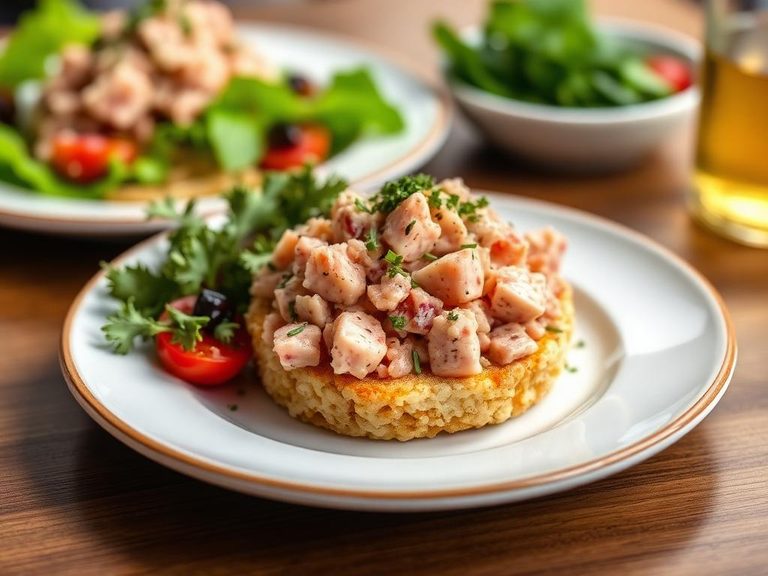
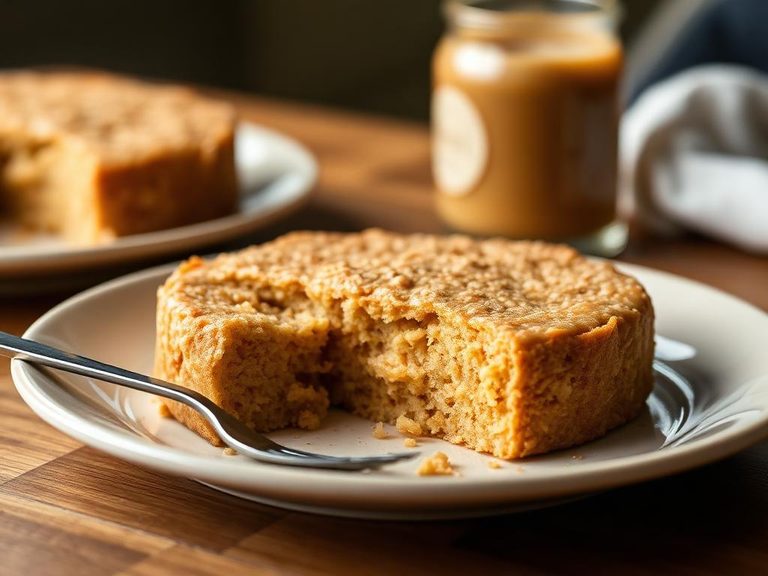
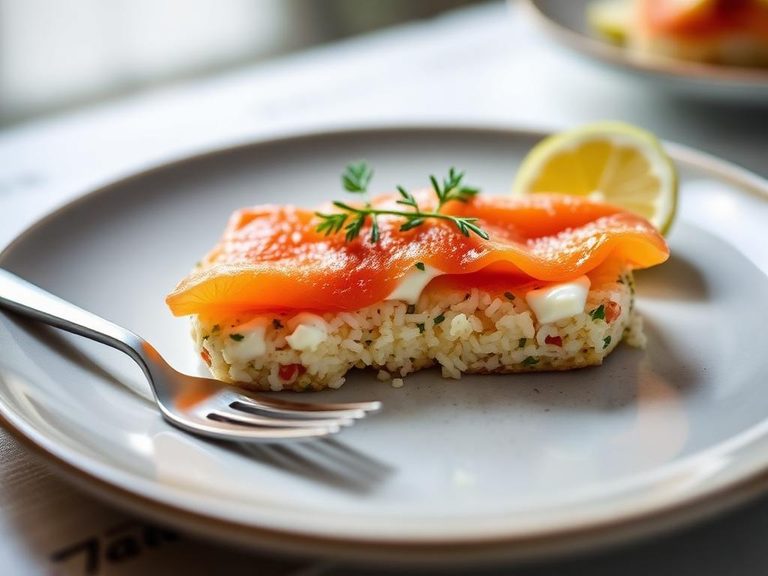
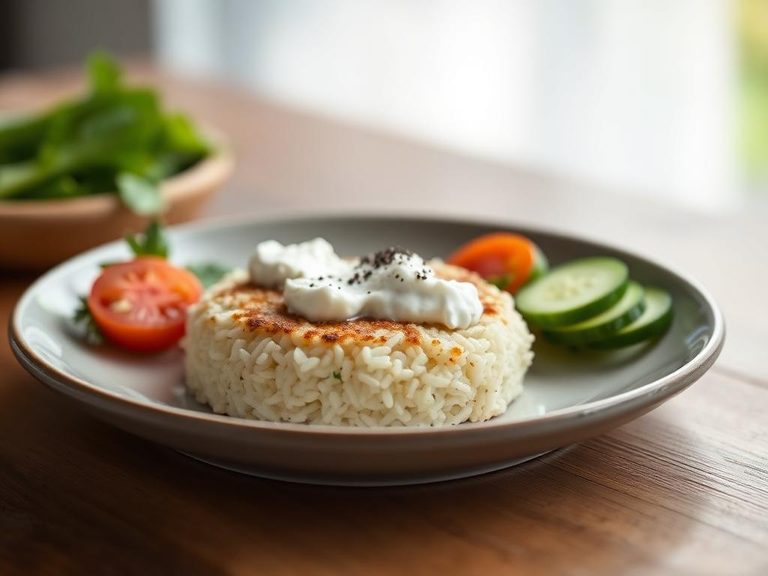
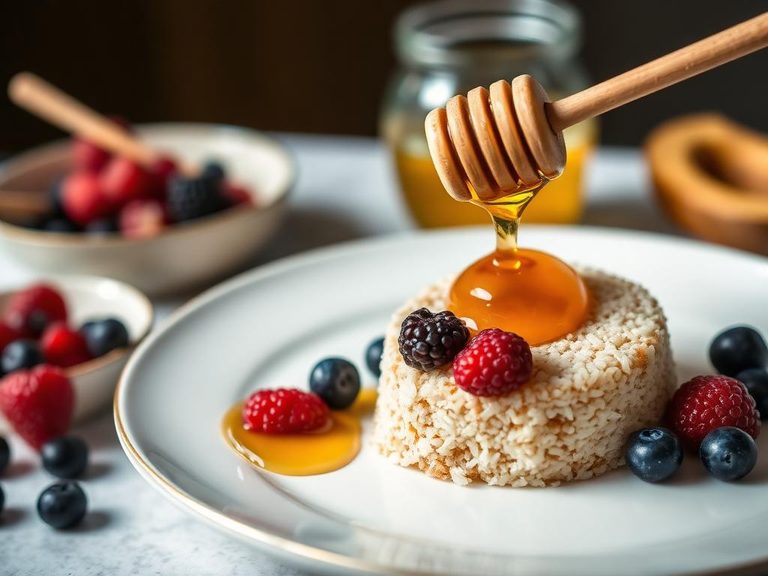
People love them for their satisfying crunch and neutral, slightly toasty flavor that pairs perfectly with everything from avocado and smoked salmon to peanut butter and jam. Their versatility makes them a staple in health-conscious pantries and a nostalgic childhood snack in many cultures.
⚠️ Watch-outs & how to enjoy it better
Their high carbohydrate content (79.9g per 100g) can cause rapid blood sugar spikes, especially when eaten alone. They are also very low in protein and fat, which can leave you feeling hungry soon after. To counteract this, pair them with protein-rich toppings like hummus, cheese, or nut butter, and practice portion control by limiting servings to 2-3 cakes at a time.
Key benefits
- Low in fat (3.8g per 100g)
- Provides a quick energy source from complex carbohydrates
- Contains dietary fiber (4g per 100g)
- Lightweight and portable for on-the-go snacking
- Gluten-free option if made with pure brown rice (check label)
🍽️ Popular dishes
🌍 Where it's eaten
💡 Did you know?
The original Japanese rice cake, 'senbei,' was traditionally grilled over charcoal and brushed with soy sauce, a far cry from the modern puffed version.
Full nutrition (USDA data · scales with serving)
| Water | 6.8 g |
| Energy | 386 kcal |
| Energy | 1615 kj |
| Protein | 8.1 g |
| Total lipid (fat) | 3.8 g |
| Ash | 1.5 g |
| Carbohydrate, by difference | 79.9 g |
| Fiber, total dietary | 4.0 g |
| Calcium, Ca | 21.0 mg |
| Iron, Fe | 1.8 mg |
| Magnesium, Mg | 144 mg |
| Phosphorus, P | 380 mg |
| Potassium, K | 311 mg |
| Sodium, Na | 110 mg |
| Zinc, Zn | 3.0 mg |
| Copper, Cu | 0.39 mg |
| Manganese, Mn | 3.0 mg |
| Vitamin C, total ascorbic acid | 0.00 mg |
| Thiamin | 0.09 mg |
| Riboflavin | 0.09 mg |
| Niacin | 7.0 mg |
| Pantothenic acid | 1.1 mg |
| Vitamin B-6 | 0.15 mg |
| Folate, total | 5.0 ug |
| Folic acid | 0.00 ug |
| Folate, food | 5.0 ug |
| Folate, DFE | 5.0 ug |
| Vitamin B-12 | 0.00 ug |
| Vitamin A, RAE | 0.00 ug |
| Retinol | 0.00 ug |
| Vitamin A, IU | 3.0 iu |
Fat & fatty acid profile (per 100g)
| Fatty acids, total saturated | 0.58 g |
| SFA 12:0 | 0.00 g |
| SFA 14:0 | 0.01 g |
| SFA 16:0 | 0.45 g |
| SFA 18:0 | 0.11 g |
| Fatty acids, total monounsaturated | 1.3 g |
| MUFA 16:1 | 0.01 g |
| MUFA 18:1 | 1.3 g |
| MUFA 20:1 | 0.00 g |
| Fatty acids, total polyunsaturated | 1.6 g |
| PUFA 18:2 | 1.5 g |
| PUFA 18:3 | 0.06 g |
| Cholesterol | 0.00 mg |
Amino acid profile (per 100g)
| Tryptophan | 0.10 g |
| Threonine | 0.29 g |
| Isoleucine | 0.33 g |
| Leucine | 0.62 g |
| Lysine | 0.32 g |
| Methionine | 0.17 g |
| Cystine | 0.13 g |
| Phenylalanine | 0.40 g |
| Tyrosine | 0.26 g |
| Valine | 0.45 g |
| Arginine | 0.55 g |
| Histidine | 0.20 g |
| Alanine | 0.44 g |
| Aspartic acid | 0.72 g |
| Glutamic acid | 1.8 g |
| Glycine | 0.39 g |
| Proline | 0.53 g |
| Serine | 0.40 g |
FAQ
Are brown rice and rye rice cakes gluten-free?
Brown rice cakes are naturally gluten-free, but those containing rye are not, as rye contains gluten. Always check the ingredient list for cross-contamination if you have celiac disease.
How can I make rice cakes more filling?
Top them with protein and healthy fats like avocado, nut butter, cheese, or smoked salmon. Adding fiber-rich vegetables like cucumber or tomato also helps.
What is the best way to store rice cakes?
Keep them in an airtight container or resealable bag in a cool, dry place to maintain their crispness. They can become stale if exposed to moisture.
Nutrient density (calculated · NRF9.3)
Nutrient Rich Foods index: beneficial nutrients (protein, fiber, vitamins, minerals) minus saturated fat, added sugar & sodium, per 100 kcal.
NRF9.3 index — Fulgoni, Keast & Drewnowski, 2009. Computed from USDA nutrients.
Weight-loss friendliness (composite index)
Energy density 3.86 kcal/g · 8% calories from protein · 4.0 g fiber · 0.0 g sugar per 100 g.
Composite of energy density (Rolls et al., 1999), protein & fiber satiety, minus sugar. A calculated heuristic — ranks satiety-per-calorie, not a clinical measure.
Dietary load (calculated from USDA values)
Potential renal acid load. Positive = acid-forming, negative = alkaline-forming.
Sodium-to-potassium ratio: 0.35 (lower is better — aim for ≤ 1)
Sodium:potassium per WHO potassium guidance. Computed from USDA nutrients.