

Seeds, breadfruit seeds, raw
Whole food · Nut and Seed Products

Photo: Wikipedia
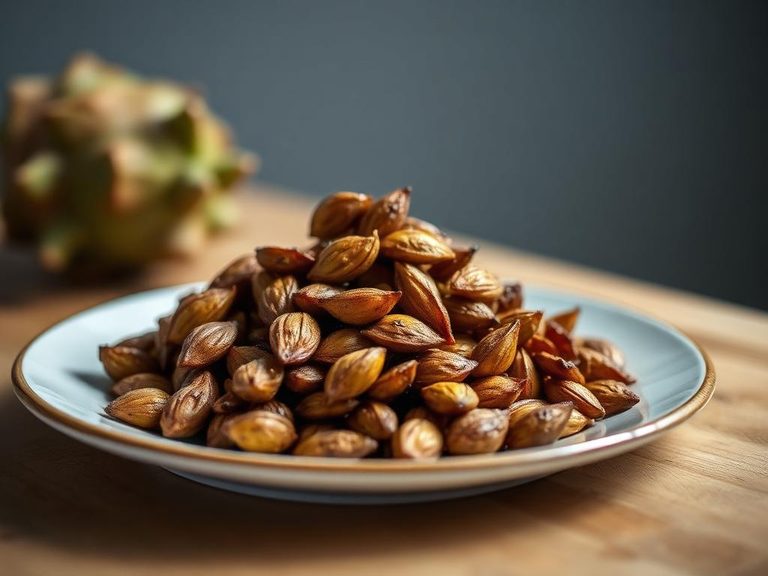
Breadfruit seeds, harvested from the large, starchy fruit of the Artocarpus altilis tree, are a surprisingly hearty and nutritious gem often overlooked in favor of the fruit's flesh. When raw, they possess a firm, chestnut-like texture and a mild, slightly nutty flavor that deepens when cooked. Nutritionally, they are a standout for providing a balanced profile of complex carbohydrates, plant-based protein, and dietary fiber.
Calorie split: 15% protein · 59% carbs · 26% fat
↓ Full nutrition💚 Why it's loved
People love breadfruit seeds for their satisfying, potato-like versatility and their role as a staple, nutrient-dense food in many tropical cultures. They are cherished for their ability to be roasted, boiled, or ground into flour, offering a comforting, earthy flavor.
⚠️ Watch-outs & how to enjoy it better
Raw breadfruit seeds contain tannins and other compounds that can be astringent and may cause digestive discomfort if not prepared properly. To counteract this, they should always be cooked (boiled, roasted, or steamed) before consumption, and starting with a small portion is wise for first-time eaters.
Key benefits
- Excellent source of dietary fiber for digestive health.
- Provides plant-based protein for muscle maintenance.
- Rich in complex carbohydrates for sustained energy.
- Contains essential minerals like potassium and magnesium.
- Naturally low in sugar and fat.
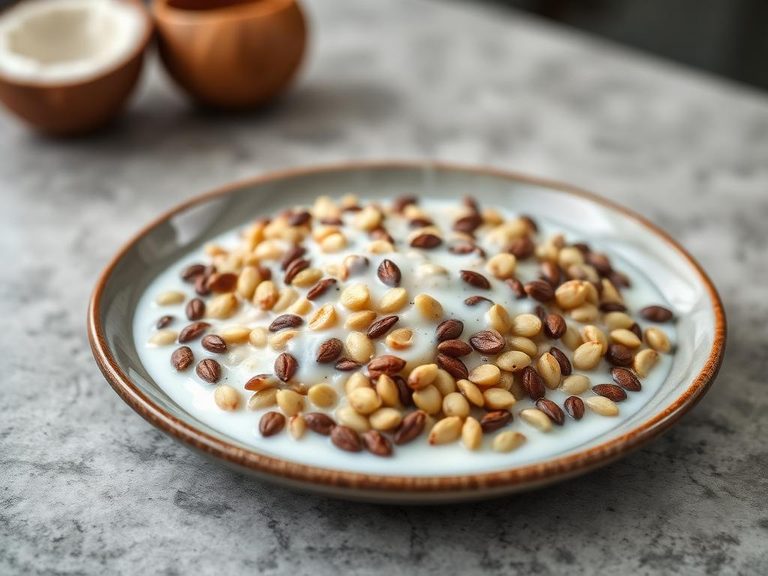
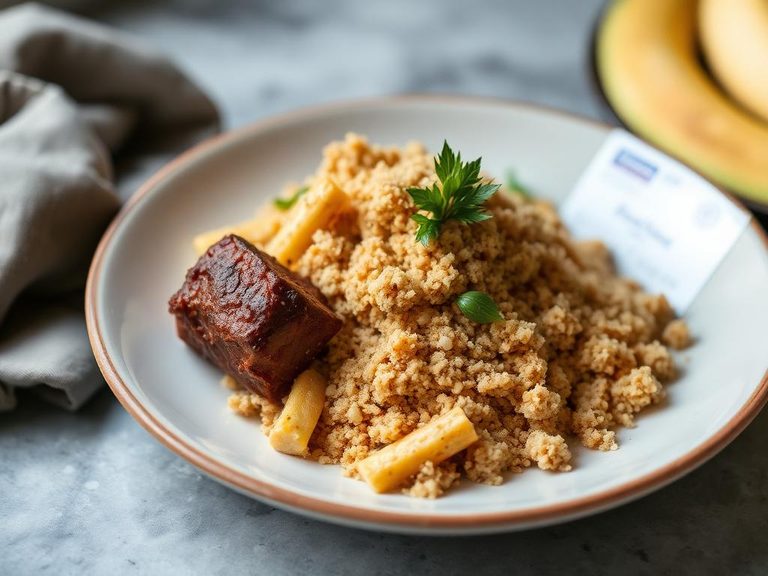
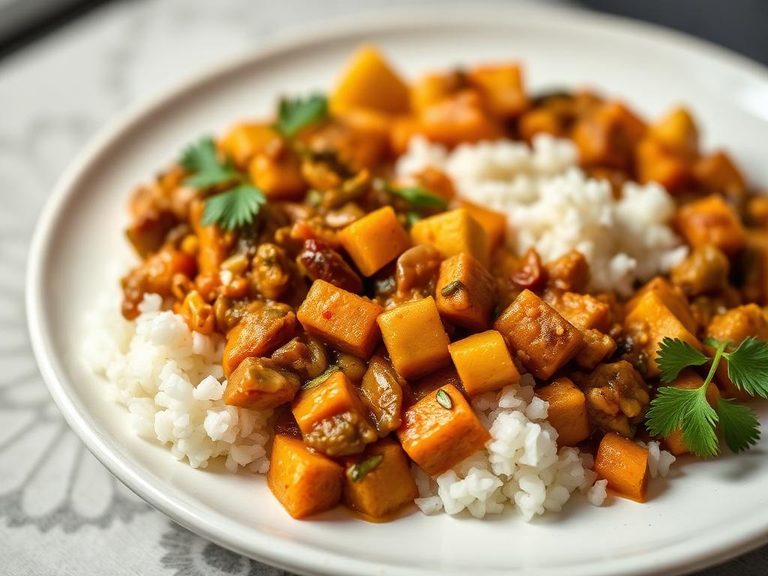
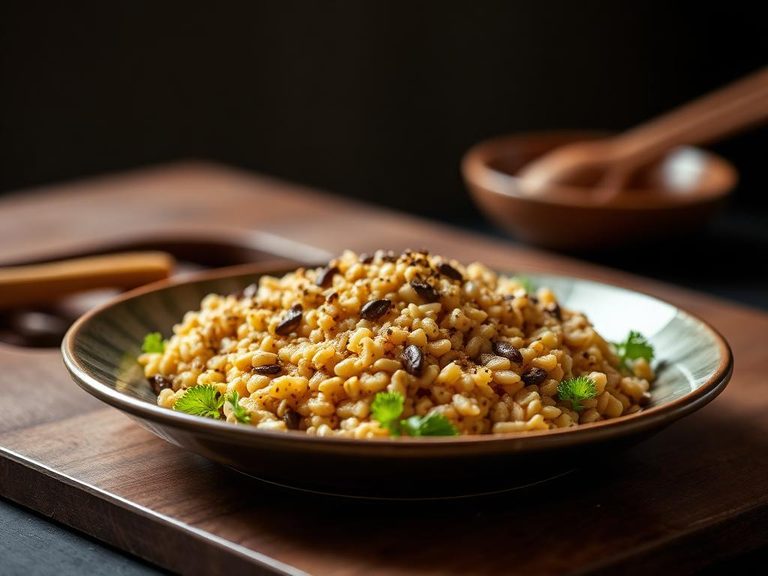
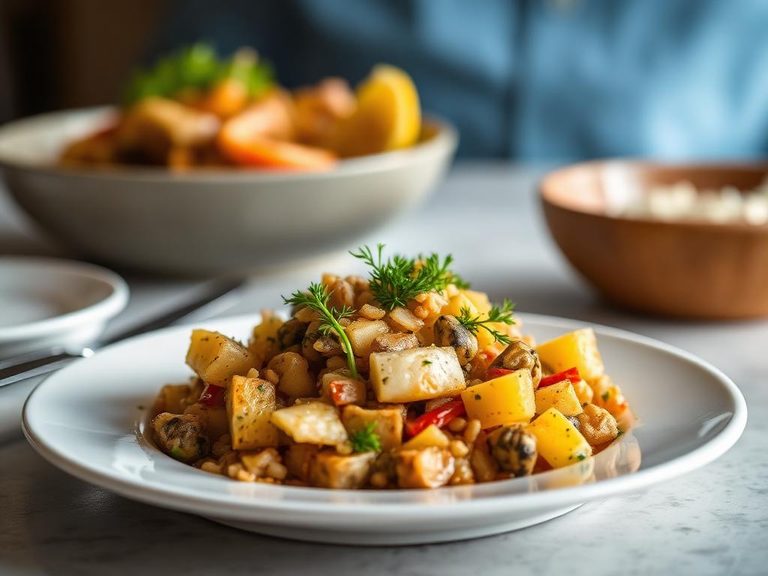
🍽️ Popular dishes
🌍 Where it's eaten
💡 Did you know?
A single breadfruit can contain up to 200 seeds, and in some Pacific Island cultures, the seeds are traditionally roasted in earth ovens and eaten as a celebratory food.
Full nutrition (USDA data · scales with serving)
| Water | 56.3 g |
| Energy | 191 kcal |
| Energy | 799 kj |
| Protein | 7.4 g |
| Total lipid (fat) | 5.6 g |
| Ash | 1.5 g |
| Carbohydrate, by difference | 29.2 g |
| Fiber, total dietary | 5.2 g |
| Calcium, Ca | 36.0 mg |
| Iron, Fe | 3.7 mg |
| Magnesium, Mg | 54.0 mg |
| Phosphorus, P | 175 mg |
| Potassium, K | 941 mg |
| Sodium, Na | 25.0 mg |
| Zinc, Zn | 0.90 mg |
| Copper, Cu | 1.1 mg |
| Manganese, Mn | 0.14 mg |
| Vitamin C, total ascorbic acid | 6.6 mg |
| Thiamin | 0.48 mg |
| Riboflavin | 0.30 mg |
| Niacin | 0.44 mg |
| Pantothenic acid | 0.88 mg |
| Vitamin B-6 | 0.32 mg |
| Folate, total | 53.0 ug |
| Folic acid | 0.00 ug |
| Folate, food | 53.0 ug |
| Folate, DFE | 53.0 ug |
| Vitamin B-12 | 0.00 ug |
| Vitamin A, RAE | 13.0 ug |
| Retinol | 0.00 ug |
| Vitamin A, IU | 256 iu |
| Vitamin D (D2 + D3), International Units | 0.00 iu |
| Vitamin D (D2 + D3) | 0.00 ug |
Fat & fatty acid profile (per 100g)
| Fatty acids, total saturated | 1.5 g |
| SFA 16:0 | 1.00 g |
| SFA 18:0 | 0.51 g |
| Fatty acids, total monounsaturated | 0.71 g |
| MUFA 16:1 | 0.03 g |
| MUFA 18:1 | 0.68 g |
| Fatty acids, total polyunsaturated | 3.0 g |
| PUFA 18:2 | 2.3 g |
| PUFA 18:3 | 0.69 g |
| Cholesterol | 0.00 mg |
Amino acid profile (per 100g)
| Tryptophan | 0.12 g |
| Threonine | 0.39 g |
| Isoleucine | 0.44 g |
| Leucine | 0.56 g |
| Lysine | 0.57 g |
| Methionine | 0.10 g |
| Cystine | 0.12 g |
| Phenylalanine | 0.80 g |
| Tyrosine | 0.54 g |
| Valine | 0.54 g |
| Arginine | 0.49 g |
| Histidine | 0.21 g |
| Alanine | 0.34 g |
| Aspartic acid | 0.82 g |
| Glutamic acid | 1.0 g |
| Glycine | 0.47 g |
| Proline | 0.37 g |
| Serine | 0.50 g |
FAQ
Are breadfruit seeds the same as breadfruit?
No, they are the seeds found inside the breadfruit. The fruit's flesh is starchy and used like a potato, while the seeds are nutty and used like a chestnut or bean.
Can you eat breadfruit seeds raw?
While technically possible, they are not typically eaten raw due to their astringent tannins. Cooking is strongly recommended to improve flavor, texture, and digestibility.
How do you prepare breadfruit seeds for eating?
The most common methods are roasting (which brings out a nutty flavor), boiling (for a softer, potato-like texture), or steaming. They must be shelled after cooking.
Nutrient density (calculated · NRF9.3)
Nutrient Rich Foods index: beneficial nutrients (protein, fiber, vitamins, minerals) minus saturated fat, added sugar & sodium, per 100 kcal.
NRF9.3 index — Fulgoni, Keast & Drewnowski, 2009. Computed from USDA nutrients.
Weight-loss friendliness (composite index)
Energy density 1.91 kcal/g · 15% calories from protein · 5.2 g fiber · 0.0 g sugar per 100 g.
Composite of energy density (Rolls et al., 1999), protein & fiber satiety, minus sugar. A calculated heuristic — ranks satiety-per-calorie, not a clinical measure.
Dietary load (calculated from USDA values)
Potential renal acid load. Positive = acid-forming, negative = alkaline-forming.
Sodium-to-potassium ratio: 0.03 (lower is better — aim for ≤ 1)
Sodium:potassium per WHO potassium guidance. Computed from USDA nutrients.