

Sardine sandwich
Common food

Photo: Wikipedia
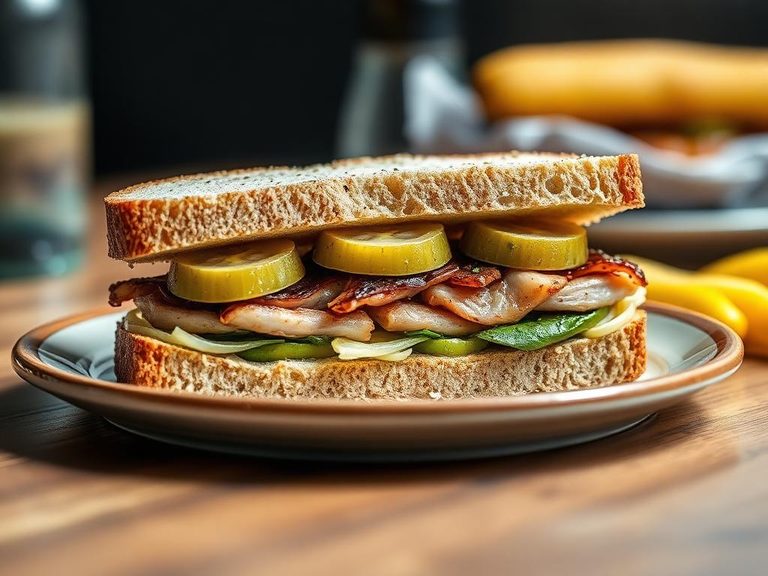
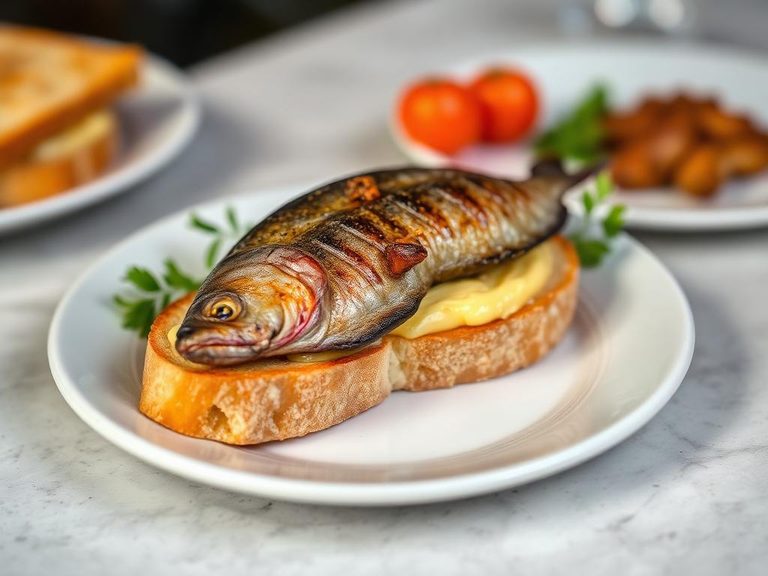
A sardine sandwich is a savory, protein-packed staple, typically featuring oily, umami-rich sardines mashed or layered on bread. The texture is a delightful contrast between the soft, flaky fish and the firm bread, often brightened with a squeeze of lemon or a spread of mustard. It's a nutritional powerhouse, delivering a high-quality protein punch with a favorable balance of healthy fats and complex carbohydrates.
Calorie split: 31% protein · 38% carbs · 31% fat
↓ Full nutrition💚 Why it's loved
People love it for its deep, savory umami flavor that pairs perfectly with simple, fresh accompaniments like crisp lettuce, tangy pickles, or sharp onions. It's a beloved, versatile comfort food across many cultures, representing both humble sustenance and a quick, nutritious meal.
⚠️ Watch-outs & how to enjoy it better
The strong, distinctive flavor of sardines is not for everyone, and the high sodium content in canned varieties can be a concern. To counteract saltiness, look for low-sodium cans or rinse the sardines briefly. The bones, while edible and calcium-rich, can be off-putting; mashing the sardines thoroughly with a fork can create a smoother texture.
Key benefits
- Excellent source of high-quality, complete protein for muscle maintenance.
- Rich in omega-3 fatty acids (EPA & DHA) for heart and brain health.
- Provides essential minerals like calcium (from edible bones), selenium, and vitamin D.
- A cost-effective and sustainable source of animal protein.
- Quick and convenient no-cook meal or snack option.
🍽️ Popular dishes
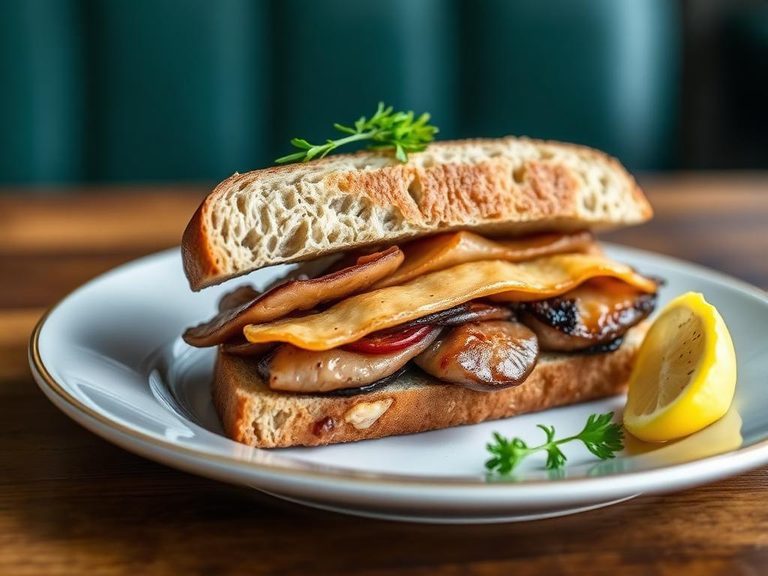
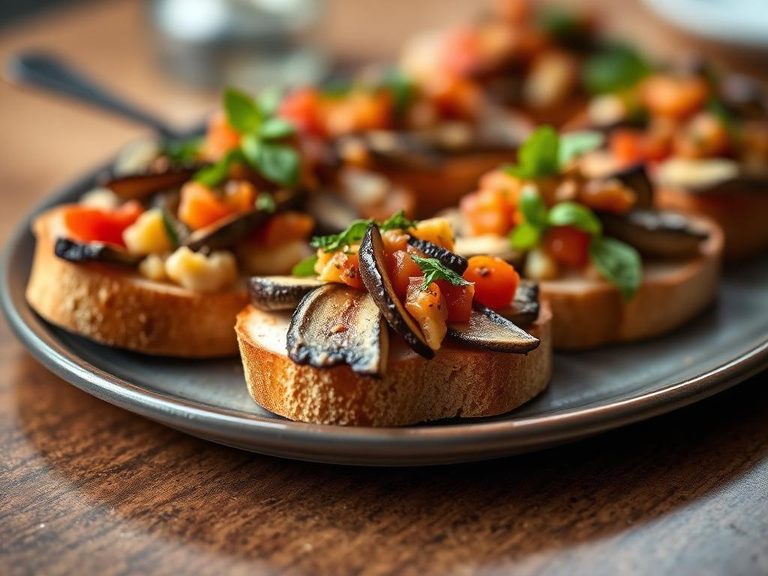
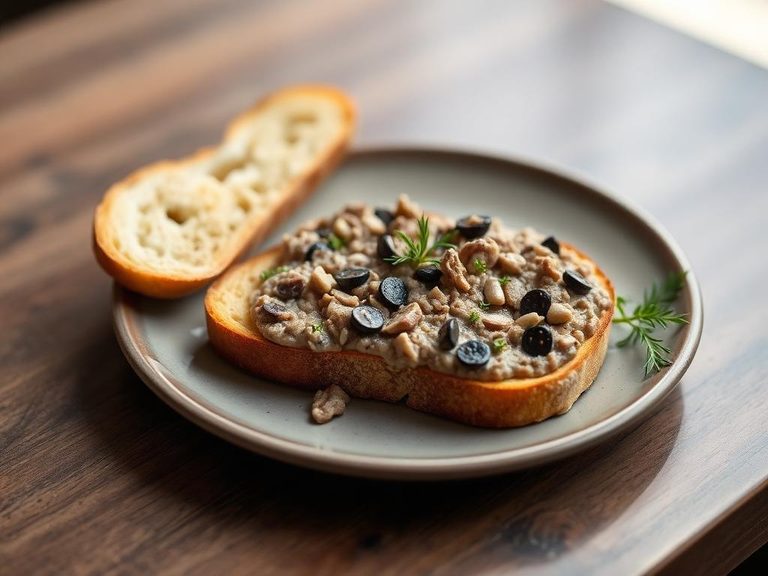
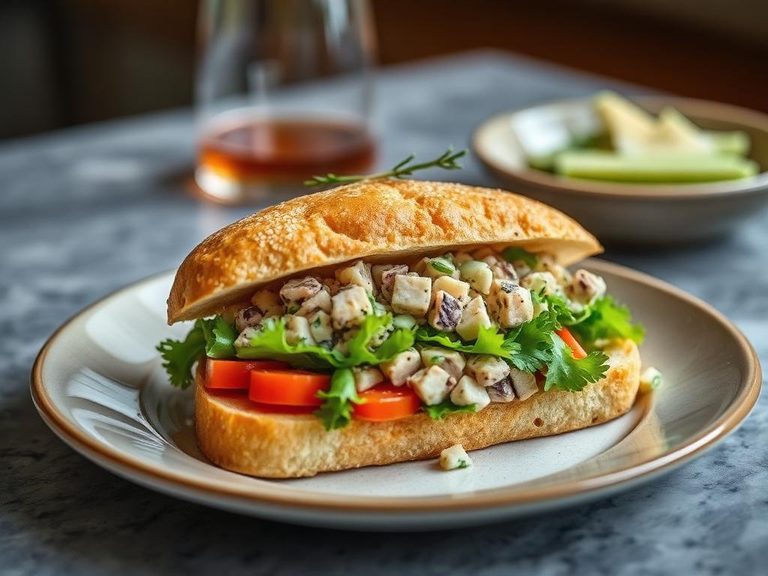
🌍 Where it's eaten
💡 Did you know?
Canned sardines are traditionally packed in olive oil or water, but in some regions, they are canned in tomato sauce, mustard, or even hot chili oil, each creating a distinctly different flavor profile for the sandwich.
Full nutrition (USDA data · scales with serving)
| Water | 49.0 g |
| Energy | 234 kcal |
| Protein | 17.9 g |
| Total lipid (fat) | 8.0 g |
| Carbohydrate, by difference | 21.9 g |
| Fiber, total dietary | 1.0 g |
| Total Sugars | 2.4 g |
| Calcium, Ca | 306 mg |
| Iron, Fe | 3.1 mg |
| Magnesium, Mg | 34.0 mg |
| Phosphorus, P | 322 mg |
| Potassium, K | 273 mg |
| Sodium, Na | 371 mg |
| Zinc, Zn | 1.1 mg |
| Copper, Cu | 0.16 mg |
| Selenium, Se | 39.6 ug |
| Vitamin C, total ascorbic acid | 0.00 mg |
| Thiamin | 0.27 mg |
| Riboflavin | 0.23 mg |
| Niacin | 5.0 mg |
| Vitamin B-6 | 0.13 mg |
| Folate, total | 55.0 ug |
| Folic acid | 38.0 ug |
| Folate, food | 17.0 ug |
| Folate, DFE | 82.0 ug |
| Choline, total | 48.2 mg |
| Vitamin B-12 | 5.0 ug |
| Vitamin B-12, added | 0.00 ug |
| Vitamin A, RAE | 18.0 ug |
| Retinol | 18.0 ug |
| Carotene, beta | 0.00 ug |
| Carotene, alpha | 0.00 ug |
| Cryptoxanthin, beta | 0.00 ug |
| Lycopene | 0.00 ug |
| Lutein + zeaxanthin | 20.0 ug |
| Vitamin E (alpha-tocopherol) | 1.2 mg |
| Vitamin E, added | 0.00 mg |
| Vitamin D (D2 + D3) | 2.7 ug |
| Vitamin K (phylloquinone) | 1.5 ug |
| Alcohol, ethyl | 0.00 g |
| Caffeine | 0.00 mg |
| Theobromine | 0.00 mg |
Fat & fatty acid profile (per 100g)
| Fatty acids, total saturated | 1.2 g |
| SFA 4:0 | 0.00 g |
| SFA 6:0 | 0.00 g |
| SFA 8:0 | 0.00 g |
| SFA 10:0 | 0.00 g |
| SFA 12:0 | 0.01 g |
| SFA 14:0 | 0.11 g |
| SFA 16:0 | 0.77 g |
| SFA 18:0 | 0.30 g |
| Fatty acids, total monounsaturated | 2.5 g |
| MUFA 16:1 | 0.13 g |
| MUFA 18:1 | 1.5 g |
| MUFA 20:1 | 0.24 g |
| MUFA 22:1 | 0.60 g |
| Fatty acids, total polyunsaturated | 3.7 g |
| PUFA 18:2 | 2.7 g |
| PUFA 18:3 | 0.37 g |
| PUFA 18:4 | 0.07 g |
| PUFA 20:4 | 0.00 g |
| PUFA 20:5 n-3 (EPA) | 0.26 g |
| PUFA 22:5 n-3 (DPA) | 0.00 g |
| PUFA 22:6 n-3 (DHA) | 0.28 g |
| Cholesterol | 79.0 mg |
FAQ
Are the bones in canned sardines safe to eat?
Yes, the small, soft bones in canned sardines are completely edible and are actually a fantastic source of calcium and vitamin D. They soften during the canning process.
How do I reduce the 'fishy' taste?
You can rinse the sardines under cold water. Pairing them with acidic ingredients like lemon juice, vinegar, or pickles, and strong flavors like mustard, onions, or fresh herbs, effectively balances and brightens the taste.
Is a sardine sandwich a healthy meal choice?
It can be very healthy. Sardines are low in mercury, high in protein and omega-3s. Choose whole-grain bread for fiber, and be mindful of added salt from condiments or the canning liquid.
Nutrient density (calculated · NRF9.3)
Nutrient Rich Foods index: beneficial nutrients (protein, fiber, vitamins, minerals) minus saturated fat, added sugar & sodium, per 100 kcal.
NRF9.3 index — Fulgoni, Keast & Drewnowski, 2009. Computed from USDA nutrients.
Weight-loss friendliness (composite index)
Energy density 2.34 kcal/g · 31% calories from protein · 1.0 g fiber · 2.4 g sugar per 100 g.
Composite of energy density (Rolls et al., 1999), protein & fiber satiety, minus sugar. A calculated heuristic — ranks satiety-per-calorie, not a clinical measure.
Dietary load (calculated from USDA values)
Potential renal acid load. Positive = acid-forming, negative = alkaline-forming.
Sodium-to-potassium ratio: 1.36 (lower is better — aim for ≤ 1)
Sodium:potassium per WHO potassium guidance. Computed from USDA nutrients.