Roll, egg bread
Common food
A soft, slightly sweet, and fluffy baked good made with eggs, flour, and milk, often shaped into a simple roll or loaf. Its texture is tender and cake-like, with a mild, comforting flavor that pairs well with both sweet and savory toppings. Nutritionally, it provides a quick source of energy from its carbohydrate content, with a modest amount of protein from the eggs.
💚 Why it's loved
People love it for its comforting, mild sweetness and soft, pillowy texture that makes it an ideal canvas for both sweet spreads like jam and savory options like cheese or smoked salmon. Its simplicity and nostalgic, homemade appeal make it a beloved staple in many breakfast and snack routines.
⚠️ Watch-outs & how to enjoy it better
Its high carbohydrate content and relatively low fiber can lead to blood sugar spikes, especially if consumed alone. It is also a common vehicle for high-sugar or high-fat spreads, which can add empty calories. To counteract this, pair it with a source of protein or healthy fat (like nut butter, Greek yogurt, or a boiled egg) to slow digestion, and opt for whole-grain versions when available for more fiber.
Key benefits
- Provides quick energy from complex carbohydrates
- Contains protein from eggs for muscle maintenance
- Offers a mild, versatile base for various toppings
- Can be a convenient, portable snack or breakfast item
- Often enriched with vitamins from egg yolks
🍽️ Popular dishes
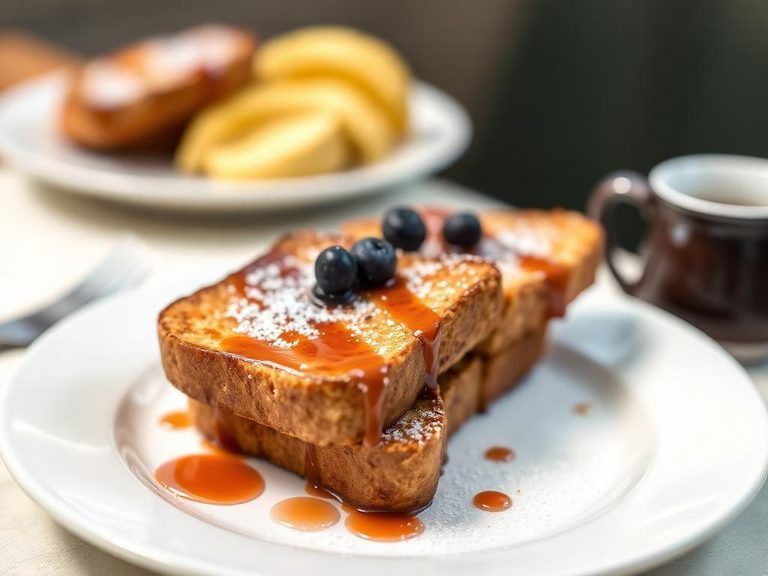
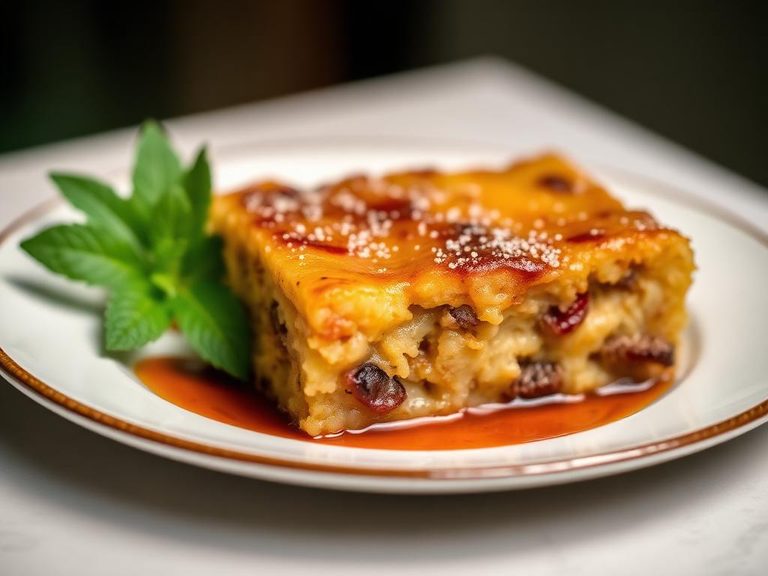
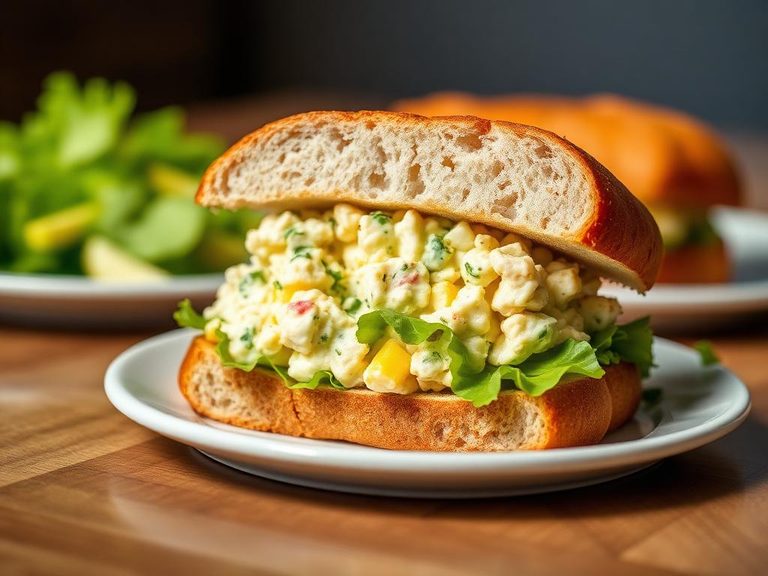

🌍 Where it's eaten
💡 Did you know?
The French dish 'Pain Perdu,' which translates to 'lost bread,' was originally created to use up stale egg bread by soaking it in an egg-milk mixture and frying it, effectively 'saving' it from being discarded.
Full nutrition (scales with serving)
| Water | 34.7 g |
| Energy | 287 kcal |
| Protein | 9.5 g |
| Total lipid (fat) | 6.0 g |
| Carbohydrate, by difference | 47.8 g |
| Fiber, total dietary | 2.3 g |
| Total Sugars | 1.8 g |
| Calcium, Ca | 93.0 mg |
| Iron, Fe | 3.0 mg |
| Magnesium, Mg | 19.0 mg |
| Phosphorus, P | 106 mg |
| Potassium, K | 115 mg |
| Sodium, Na | 380 mg |
| Zinc, Zn | 0.79 mg |
| Copper, Cu | 0.16 mg |
| Selenium, Se | 30.1 ug |
| Vitamin C, total ascorbic acid | 0.00 mg |
| Thiamin | 0.44 mg |
| Riboflavin | 0.44 mg |
| Niacin | 4.8 mg |
| Vitamin B-6 | 0.06 mg |
| Folate, total | 105 ug |
| Folic acid | 35.0 ug |
| Folate, food | 70.0 ug |
| Folate, DFE | 130 ug |
| Choline, total | 84.3 mg |
| Vitamin B-12 | 0.10 ug |
| Vitamin B-12, added | 0.00 ug |
| Vitamin A, RAE | 63.0 ug |
| Retinol | 63.0 ug |
| Carotene, beta | 0.00 ug |
| Carotene, alpha | 0.00 ug |
| Cryptoxanthin, beta | 0.00 ug |
| Lycopene | 0.00 ug |
| Lutein + zeaxanthin | 45.0 ug |
| Vitamin E (alpha-tocopherol) | 0.26 mg |
| Vitamin E, added | 0.00 mg |
| Vitamin D (D2 + D3) | 0.40 ug |
| Vitamin K (phylloquinone) | 0.90 ug |
| Fatty acids, total saturated | 1.6 g |
| SFA 4:0 | 0.00 g |
| SFA 6:0 | 0.00 g |
| SFA 8:0 | 0.00 g |
| SFA 10:0 | 0.00 g |
| SFA 12:0 | 0.00 g |
| SFA 14:0 | 0.02 g |
| SFA 16:0 | 1.1 g |
| SFA 18:0 | 0.46 g |
| Fatty acids, total monounsaturated | 2.3 g |
| MUFA 16:1 | 0.11 g |
| MUFA 18:1 | 2.2 g |
| MUFA 20:1 | 0.01 g |
| MUFA 22:1 | 0.00 g |
| Fatty acids, total polyunsaturated | 1.1 g |
| PUFA 18:2 | 1.00 g |
| PUFA 18:3 | 0.05 g |
| PUFA 18:4 | 0.00 g |
| PUFA 20:4 | 0.05 g |
| PUFA 20:5 n-3 (EPA) | 0.00 g |
| PUFA 22:5 n-3 (DPA) | 0.00 g |
| PUFA 22:6 n-3 (DHA) | 0.01 g |
| Cholesterol | 51.0 mg |
| Alcohol, ethyl | 0.00 g |
| Caffeine | 0.00 mg |
| Theobromine | 0.00 mg |
FAQ
How is egg bread different from regular white bread?
Egg bread incorporates eggs into the dough, which gives it a richer flavor, a more tender, cake-like crumb, and a slightly yellow hue from the yolks. It's generally softer and more enriched than standard white bread.
Can I use egg bread for savory dishes?
Absolutely. Its mild flavor and sturdy yet soft texture make it excellent for French toast (sweet or savory), bread pudding, strata (a savory egg casserole), or as the base for a hearty sandwich.
Is egg bread a good source of protein?
It provides a moderate amount of protein (about 9.5g per 100g), primarily from the eggs used in the recipe. While not a high-protein food like meat or legumes, it contributes more protein than many plain white breads.