

Rice, brown, long grain, unenriched, raw
Whole food · Cereal Grains and Pasta
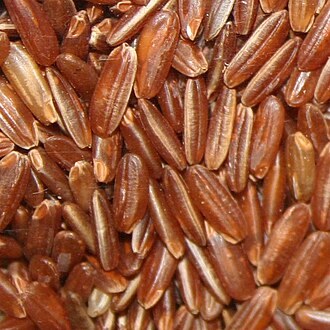
Photo: Wikipedia
Brown long-grain rice is a whole grain with a chewy texture, nutty flavor, and a slightly firm bite that holds its shape well after cooking. Its outer bran layer gives it a tan color and a more robust taste compared to white rice, while its nutritional profile offers a solid source of complex carbohydrates and fiber. With 3.021g of fiber per 100g, it provides a steadier energy release than refined grains, making it a staple in health-conscious kitchens.
Calorie split: 8% protein · 84% carbs · 8% fat
↓ Full nutrition💚 Why it's loved
People love brown long-grain rice for its earthy, nutty flavor and satisfying chew, which adds depth to dishes without overwhelming other ingredients. It's a cultural staple in many cuisines, valued for its ability to pair with everything from spicy curries to simple stir-fries, making it a beloved foundation for meals around the world.
⚠️ Watch-outs & how to enjoy it better
Brown rice has a longer cooking time and can be less fluffy than white rice, which some find less appealing for quick meals. Its higher fiber content may cause digestive discomfort for those not accustomed to it, and it contains phytic acid, which can reduce mineral absorption; soaking or sprouting the rice before cooking can help mitigate this. For blood sugar management, pairing it with protein or healthy fats can slow glucose absorption.
Key benefits
- Rich in dietary fiber for digestive health
- Provides sustained energy from complex carbohydrates
- Contains essential minerals like magnesium and selenium
- Whole grain that supports heart health
- Naturally gluten-free and versatile in cooking
🍽️ Popular dishes
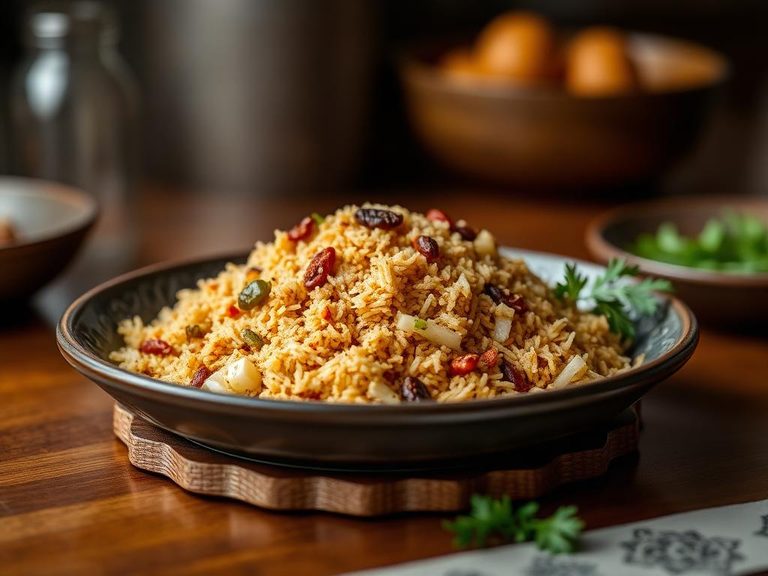
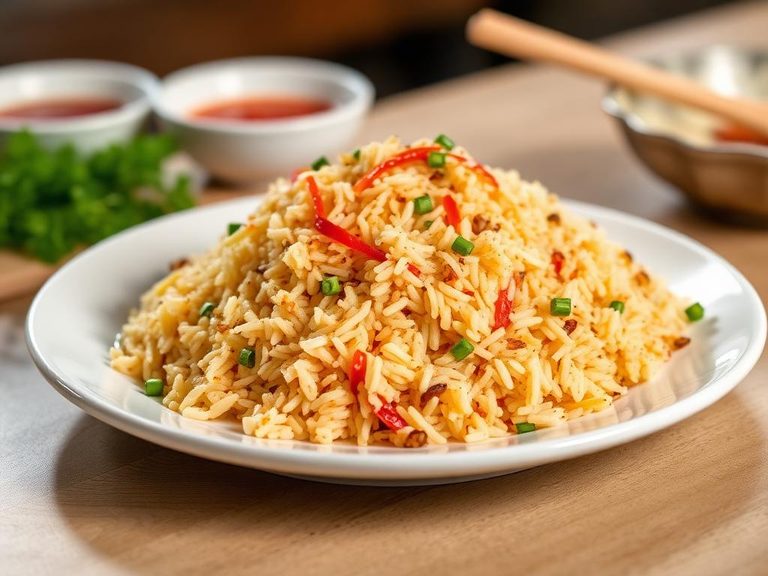
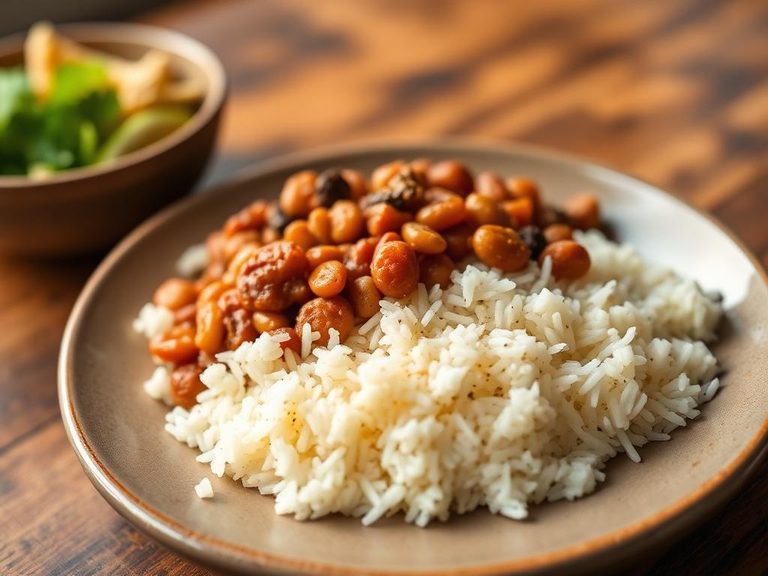
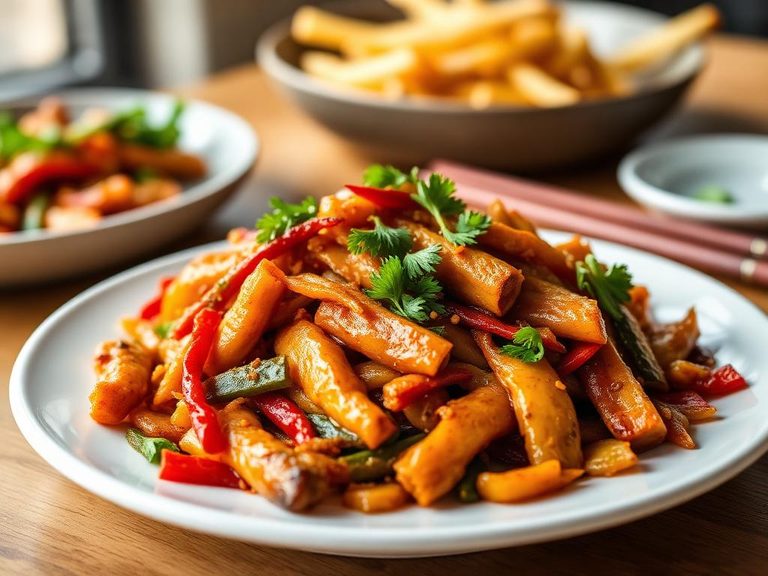
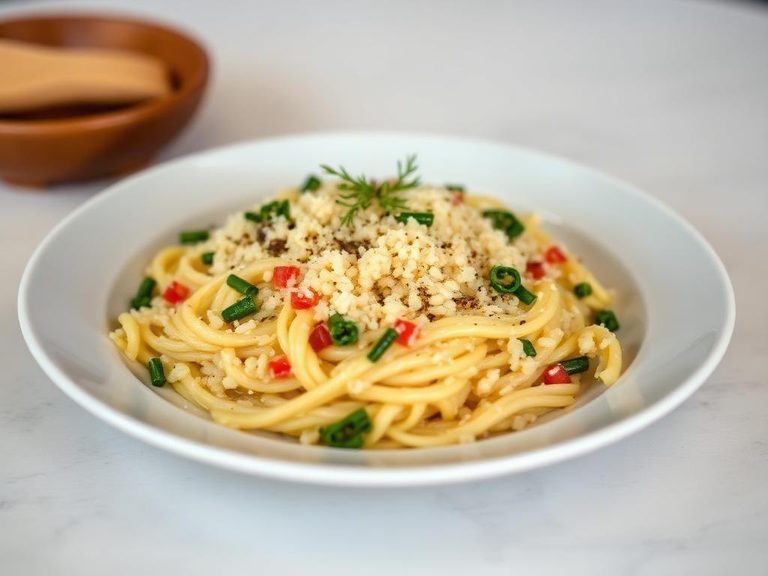
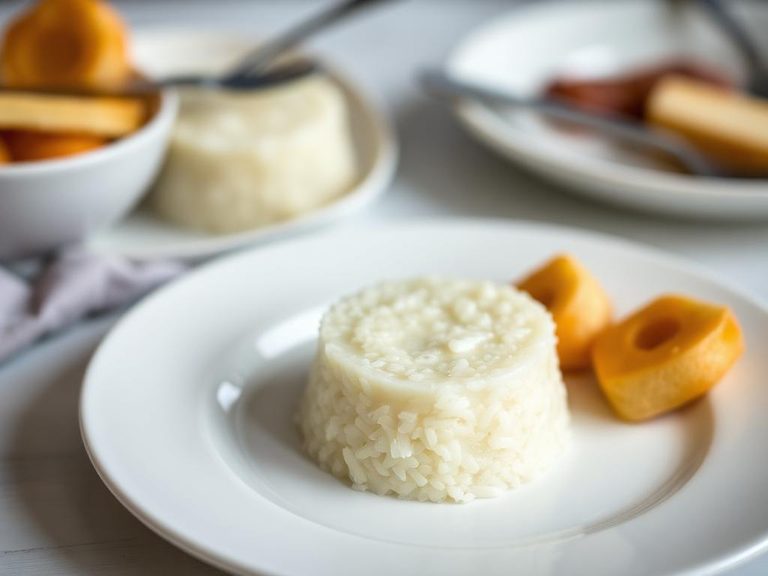
🌍 Where it's eaten
💡 Did you know?
Brown rice has a shorter shelf life than white rice because its bran layer contains oils that can go rancid, so it's best stored in a cool, dark place or refrigerator to maintain freshness.
Full nutrition (USDA data · scales with serving)
| Water | 11.5 g |
| Energy (Atwater General Factors) | 366 kcal |
| Energy (Atwater Specific Factors) | 368 kcal |
| Nitrogen | 1.2 g |
| Protein | 7.3 g |
| Total lipid (fat) | 3.3 g |
| Ash | 1.3 g |
| Carbohydrate, by difference | 76.7 g |
| Fiber, total dietary | 3.0 g |
| Total dietary fiber (AOAC 2011.25) | 4.3 g |
| High Molecular Weight Dietary Fiber (HMWDF) | 3.4 g |
| Low Molecular Weight Dietary Fiber (LMWDF) | 0.50 g |
| Starch | 71.6 g |
| Calcium, Ca | 8.1 mg |
| Iron, Fe | 1.2 mg |
| Magnesium, Mg | 115 mg |
| Phosphorus, P | 303 mg |
| Potassium, K | 250 mg |
| Sodium, Na | 0.00 mg |
| Zinc, Zn | 1.9 mg |
| Copper, Cu | 0.27 mg |
| Manganese, Mn | 2.7 mg |
| Selenium, Se | 14.8 ug |
| Molybdenum, Mo | 63.9 ug |
| Thiamin | 0.33 mg |
| Riboflavin | 0.10 mg |
| Niacin | 6.3 mg |
| Vitamin B-6 | 0.16 mg |
| Biotin | 5.0 ug |
Fat & fatty acid profile (per 100g)
Estimated from Rice, brown, medium-grain, cooked (Includes foods for USDA's Food Distribution Program) — USDA does not publish this profile for Rice.
| Fatty acids, total saturated | 0.17 g |
| SFA 12:0 | 0.00 g |
| SFA 14:0 | 0.00 g |
| SFA 16:0 | 0.14 g |
| SFA 18:0 | 0.01 g |
| Fatty acids, total monounsaturated | 0.30 g |
| MUFA 16:1 | 0.00 g |
| MUFA 18:1 | 0.30 g |
| Fatty acids, total polyunsaturated | 0.30 g |
| PUFA 18:2 | 0.28 g |
| PUFA 18:3 | 0.01 g |
| Cholesterol | 0.00 mg |
Amino acid profile (per 100g)
Estimated from Rice, brown, medium-grain, cooked (Includes foods for USDA's Food Distribution Program) — USDA does not publish this profile for Rice.
| Tryptophan | 0.03 g |
| Threonine | 0.09 g |
| Isoleucine | 0.10 g |
| Leucine | 0.19 g |
| Lysine | 0.09 g |
| Methionine | 0.05 g |
| Cystine | 0.03 g |
| Phenylalanine | 0.12 g |
| Tyrosine | 0.09 g |
| Valine | 0.14 g |
| Arginine | 0.17 g |
| Histidine | 0.06 g |
| Alanine | 0.14 g |
| Aspartic acid | 0.22 g |
| Glutamic acid | 0.47 g |
| Glycine | 0.11 g |
| Proline | 0.11 g |
| Serine | 0.12 g |
FAQ
How does brown long-grain rice differ from white rice?
Brown long-grain rice retains its bran and germ layers, giving it more fiber, vitamins, and minerals compared to white rice, which is refined and stripped of these nutrients. It also has a chewier texture and nuttier flavor, with a longer cooking time.
Is brown rice gluten-free?
Yes, brown long-grain rice is naturally gluten-free, making it a safe and nutritious option for those with celiac disease or gluten sensitivity.
How can I improve the texture of brown rice?
To achieve a fluffier texture, rinse the rice thoroughly, use a 2:1 water-to-rice ratio, and let it steam for 10 minutes after cooking. Soaking the rice for 30 minutes can also help soften the grains and reduce cooking time.
Nutrient density (calculated · NRF9.3)
Nutrient Rich Foods index: beneficial nutrients (protein, fiber, vitamins, minerals) minus saturated fat, added sugar & sodium, per 100 kcal.
NRF9.3 index — Fulgoni, Keast & Drewnowski, 2009. Computed from USDA nutrients.
Weight-loss friendliness (composite index)
Energy density 3.66 kcal/g · 8% calories from protein · 3.0 g fiber · 0.0 g sugar per 100 g.
Composite of energy density (Rolls et al., 1999), protein & fiber satiety, minus sugar. A calculated heuristic — ranks satiety-per-calorie, not a clinical measure.
Dietary load (calculated from USDA values)
Potential renal acid load. Positive = acid-forming, negative = alkaline-forming.
Sodium-to-potassium ratio: 0.00 (lower is better — aim for ≤ 1)
Sodium:potassium per WHO potassium guidance. Computed from USDA nutrients.