

Potato from Puerto Rican beef stew, with gravy
Common food

Photo: Wikipedia
A humble, starchy cube of potato that has surrendered its starch to the rich, savory broth of a Puerto Rican beef stew, resulting in a tender, almost creamy texture. It carries the deep, aromatic essence of sofrito and spices, offering a mild, earthy flavor that balances the meat's richness. At just 74 kcal per 100g, it is a light, fiber-containing source of energy that acts as the perfect, comforting vehicle for the stew's complex gravy.
Calorie split: 13% protein · 76% carbs · 11% fat
↓ Full nutrition💚 Why it's loved
People love this potato for its comforting, soul-warming quality and its ability to soak up the complex, savory flavors of the stew's broth. It is a beloved staple in Puerto Rican cuisine, representing home cooking and family gatherings, where its soft, yielding texture provides a perfect contrast to the tender beef.
⚠️ Watch-outs & how to enjoy it better
The primary downside is its high glycemic load, which can cause blood-sugar spikes, especially when eaten in large portions without balancing protein or fat. To counteract this, pair it with the stew's beef and add a side of non-starchy vegetables like steamed broccoli or a simple salad to slow digestion. Also, be mindful of sodium content in the gravy; using low-sodium broth or rinsing the stew lightly can help reduce intake.
Key benefits
- Provides quick-release energy from its 14.45g of carbohydrates.
- Contains 1.3g of dietary fiber per 100g, supporting digestive health.
- Very low in fat (0.93g per 100g), making it a lean carbohydrate source.
- Acts as a natural thickener, enriching the stew's gravy with body.
- A good source of potassium and vitamin C, though reduced by cooking.
🍽️ Popular dishes
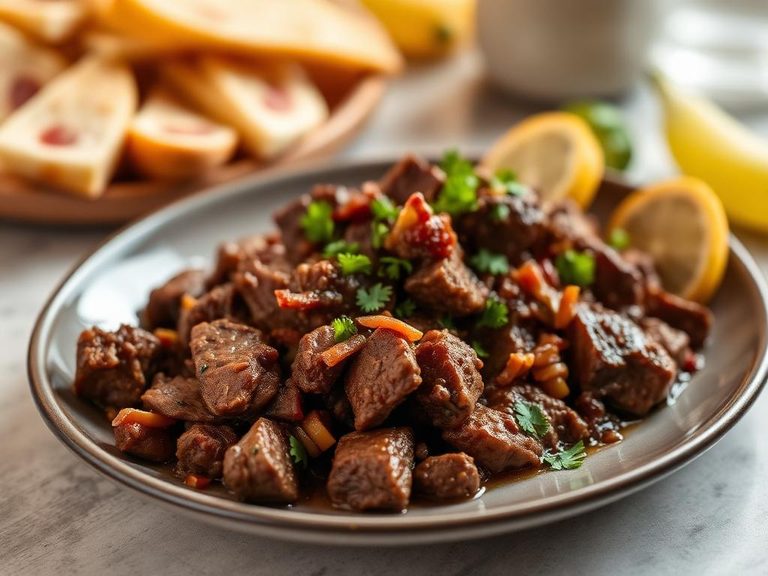
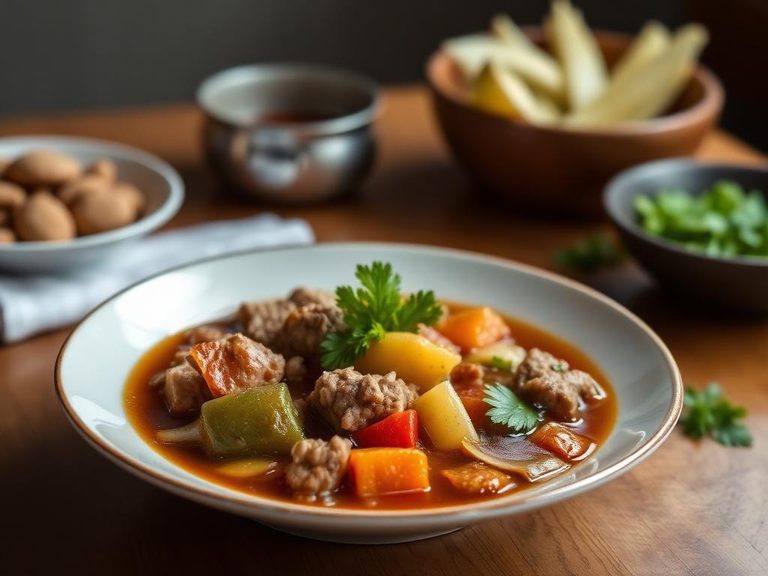
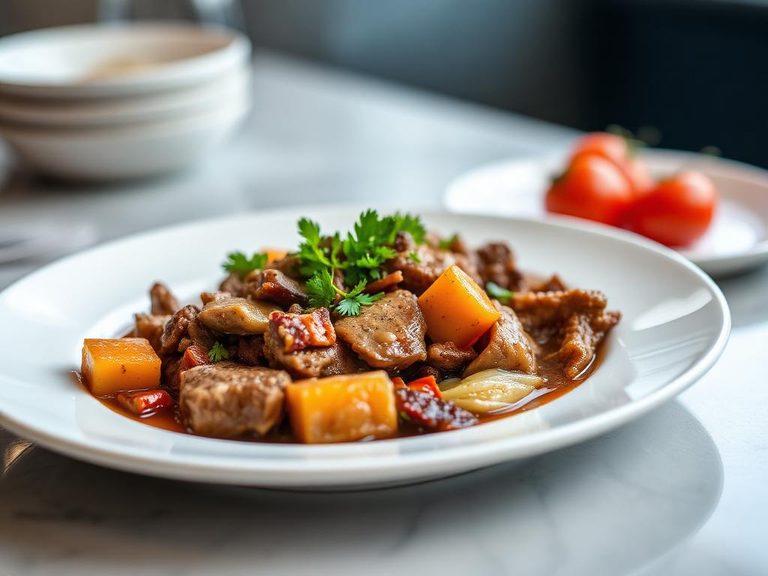
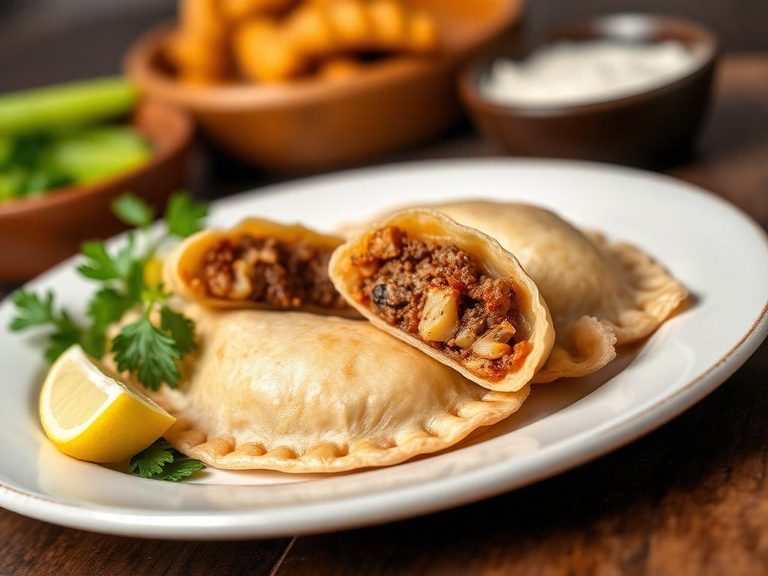
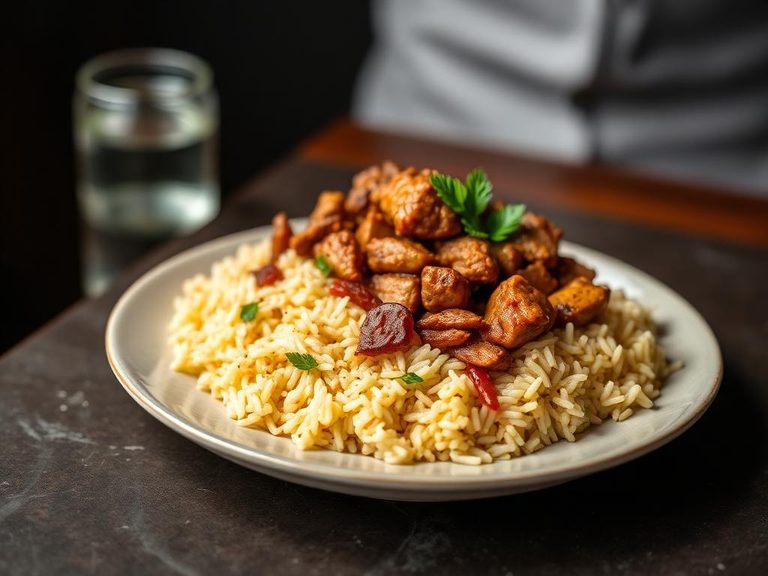
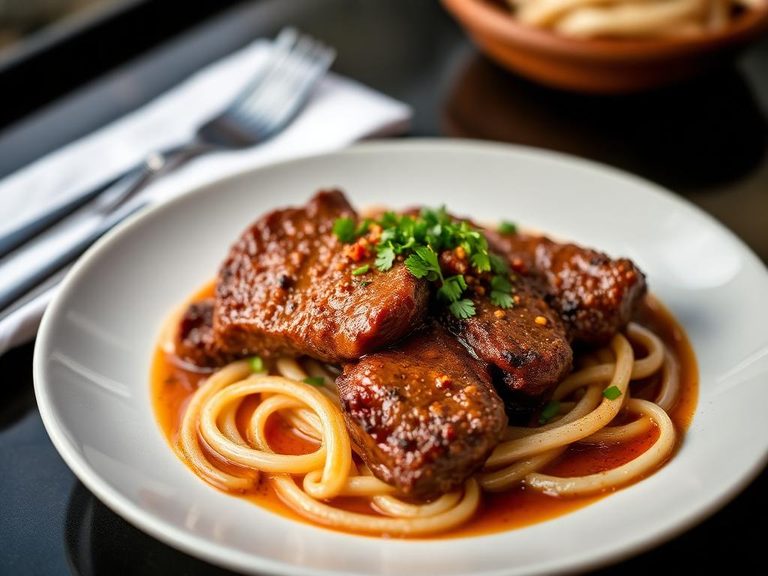
🌍 Where it's eaten
💡 Did you know?
The potato's ability to absorb flavors is due to its high starch content, which gelatinizes during cooking, creating a porous structure that soaks up the stew's gravy like a sponge.
Full nutrition (USDA data · scales with serving)
| Water | 81.1 g |
| Energy | 74.0 kcal |
| Protein | 2.5 g |
| Total lipid (fat) | 0.93 g |
| Carbohydrate, by difference | 14.4 g |
| Fiber, total dietary | 1.3 g |
| Total Sugars | 0.64 g |
| Calcium, Ca | 7.0 mg |
| Iron, Fe | 0.45 mg |
| Magnesium, Mg | 13.0 mg |
| Phosphorus, P | 36.0 mg |
| Potassium, K | 238 mg |
| Sodium, Na | 235 mg |
| Zinc, Zn | 0.54 mg |
| Copper, Cu | 0.14 mg |
| Selenium, Se | 0.60 ug |
| Vitamin C, total ascorbic acid | 4.7 mg |
| Thiamin | 0.07 mg |
| Riboflavin | 0.03 mg |
| Niacin | 1.1 mg |
| Vitamin B-6 | 0.17 mg |
| Folate, total | 6.0 ug |
| Folic acid | 0.00 ug |
| Folate, food | 6.0 ug |
| Folate, DFE | 6.0 ug |
| Choline, total | 10.7 mg |
| Vitamin B-12 | 0.04 ug |
| Vitamin B-12, added | 0.00 ug |
| Vitamin A, RAE | 0.00 ug |
| Retinol | 0.00 ug |
| Carotene, beta | 1.0 ug |
| Carotene, alpha | 0.00 ug |
| Cryptoxanthin, beta | 0.00 ug |
| Lycopene | 0.00 ug |
| Lutein + zeaxanthin | 6.0 ug |
| Vitamin E (alpha-tocopherol) | 0.01 mg |
| Vitamin E, added | 0.00 mg |
| Vitamin D (D2 + D3) | 0.00 ug |
| Vitamin K (phylloquinone) | 1.4 ug |
| Alcohol, ethyl | 0.00 g |
| Caffeine | 0.00 mg |
| Theobromine | 0.00 mg |
Fat & fatty acid profile (per 100g)
| Fatty acids, total saturated | 0.44 g |
| SFA 4:0 | 0.00 g |
| SFA 6:0 | 0.00 g |
| SFA 8:0 | 0.00 g |
| SFA 10:0 | 0.00 g |
| SFA 12:0 | 0.01 g |
| SFA 14:0 | 0.03 g |
| SFA 16:0 | 0.23 g |
| SFA 18:0 | 0.17 g |
| Fatty acids, total monounsaturated | 0.35 g |
| MUFA 16:1 | 0.04 g |
| MUFA 18:1 | 0.31 g |
| MUFA 20:1 | 0.00 g |
| MUFA 22:1 | 0.00 g |
| Fatty acids, total polyunsaturated | 0.06 g |
| PUFA 18:2 | 0.05 g |
| PUFA 18:3 | 0.01 g |
| PUFA 18:4 | 0.00 g |
| PUFA 20:4 | 0.00 g |
| PUFA 20:5 n-3 (EPA) | 0.00 g |
| PUFA 22:5 n-3 (DPA) | 0.00 g |
| PUFA 22:6 n-3 (DHA) | 0.00 g |
| Cholesterol | 1.0 mg |
FAQ
Is this potato dish high in calories?
No, at 74 kcal per 100g, it is relatively low in calories. A typical serving of about 118g (one medium potato) would be around 87 kcal, making it a light addition to a meal.
How does the cooking method affect its nutrition?
Boiling or stewing the potato reduces its vitamin C content but increases its digestibility. The starch becomes more easily absorbed, and the potato absorbs minerals and flavors from the broth, which can add sodium.
Can I eat this if I'm watching my blood sugar?
Yes, but with caution. Pair it with protein (like the beef in the stew) and fiber (from vegetables) to slow the absorption of carbohydrates. Stick to a smaller portion, like 100g, and avoid adding extra sugar to the gravy.
Nutrient density (calculated · NRF9.3)
Nutrient Rich Foods index: beneficial nutrients (protein, fiber, vitamins, minerals) minus saturated fat, added sugar & sodium, per 100 kcal.
NRF9.3 index — Fulgoni, Keast & Drewnowski, 2009. Computed from USDA nutrients.
Weight-loss friendliness (composite index)
Energy density 0.74 kcal/g · 13% calories from protein · 1.3 g fiber · 0.6 g sugar per 100 g.
Composite of energy density (Rolls et al., 1999), protein & fiber satiety, minus sugar. A calculated heuristic — ranks satiety-per-calorie, not a clinical measure.
Dietary load (calculated from USDA values)
Potential renal acid load. Positive = acid-forming, negative = alkaline-forming.
Sodium-to-potassium ratio: 0.99 (lower is better — aim for ≤ 1)
Sodium:potassium per WHO potassium guidance. Computed from USDA nutrients.