

Peppers, sweet, yellow, raw
Whole food · Vegetables and Vegetable Products

Photo: Wikipedia
The raw yellow bell pepper is a vibrant, crunchy fruit with a thick, juicy flesh and a distinctively sweet, mildly tangy flavor that is less bitter than its green counterpart. Nutritionally, it's a powerhouse of vitamin C and a low-calorie source of fiber, making it a refreshing and satisfying snack or ingredient.
Calorie split: 13% protein · 81% carbs · 6% fat
↓ Full nutrition💚 Why it's loved
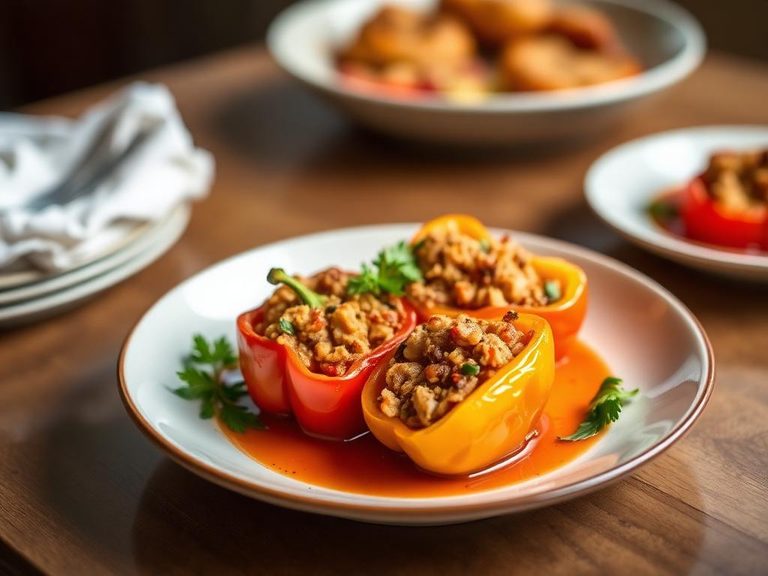
People love its sunny color, satisfying crunch, and natural sweetness that requires no cooking. It's incredibly versatile, eaten raw in salads, stuffed, roasted, or as a vibrant addition to countless dishes.
⚠️ Watch-outs & how to enjoy it better
While low in sugar, its carbohydrate content can contribute to blood sugar rises if consumed in very large quantities alone. To counteract this, pair it with a protein (like hummus or cheese) or healthy fat (like olive oil) to slow digestion and stabilize glucose response.
Key benefits
- Excellent source of vitamin C, supporting immune function and skin health
- Very low in calories and fat, aiding in weight management
- Provides dietary fiber for digestive health
- Contains antioxidants like beta-carotene and lutein
- High water content for hydration
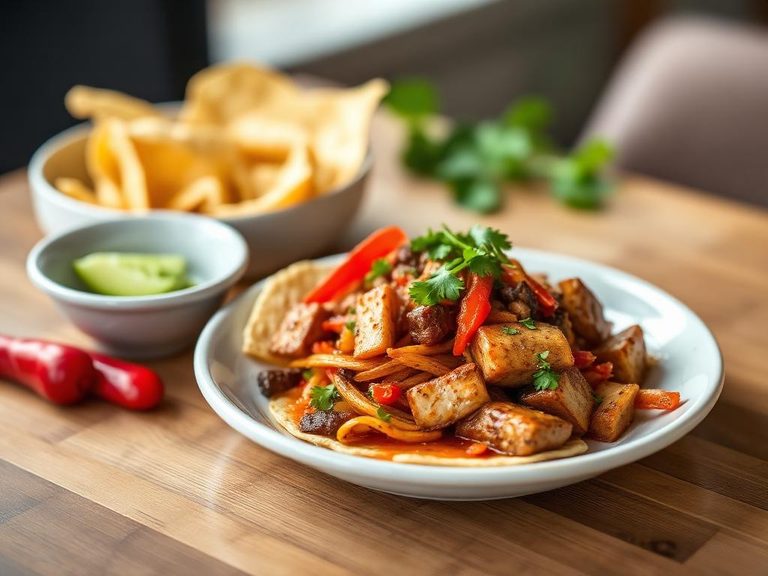
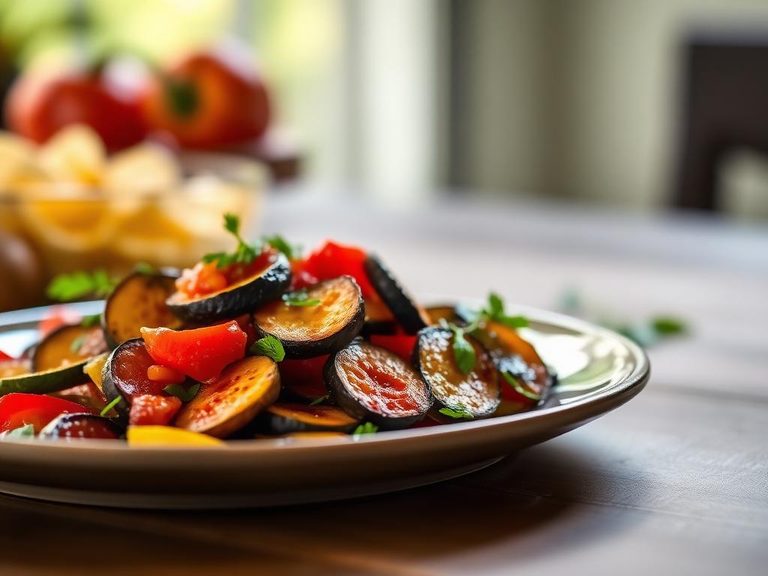
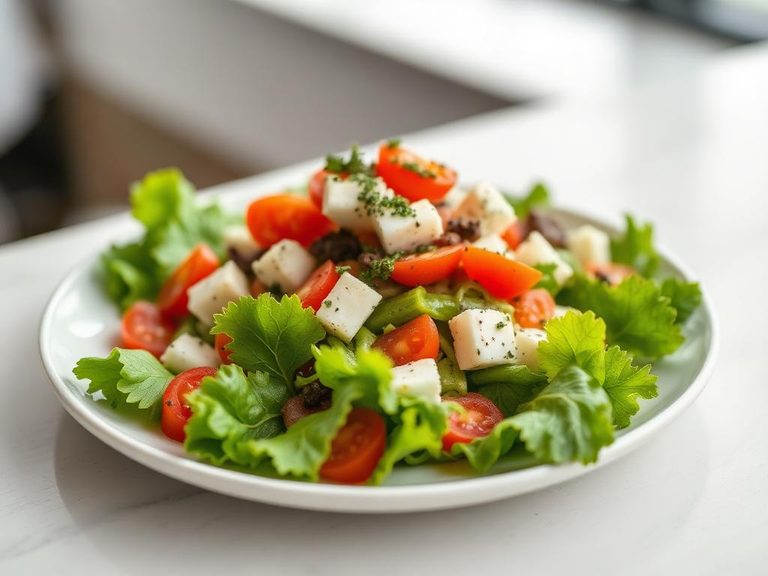
🍽️ Popular dishes
🌍 Where it's eaten
💡 Did you know?
The yellow bell pepper is actually a fully ripened version of the green bell pepper; it's the same fruit picked at a different stage, which is why it develops a sweeter flavor and brighter color.
Full nutrition (USDA data · scales with serving)
| Water | 92.0 g |
| Energy | 27.0 kcal |
| Energy | 112 kj |
| Protein | 1.0 g |
| Total lipid (fat) | 0.21 g |
| Ash | 0.45 g |
| Carbohydrate, by difference | 6.3 g |
| Fiber, total dietary | 0.90 g |
| Calcium, Ca | 11.0 mg |
| Iron, Fe | 0.46 mg |
| Magnesium, Mg | 12.0 mg |
| Phosphorus, P | 24.0 mg |
| Potassium, K | 212 mg |
| Sodium, Na | 2.0 mg |
| Zinc, Zn | 0.17 mg |
| Copper, Cu | 0.11 mg |
| Manganese, Mn | 0.12 mg |
| Selenium, Se | 0.30 ug |
| Vitamin C, total ascorbic acid | 184 mg |
| Thiamin | 0.03 mg |
| Riboflavin | 0.03 mg |
| Niacin | 0.89 mg |
| Pantothenic acid | 0.17 mg |
| Vitamin B-6 | 0.17 mg |
| Folate, total | 26.0 ug |
| Folic acid | 0.00 ug |
| Folate, food | 26.0 ug |
| Folate, DFE | 26.0 ug |
| Vitamin B-12 | 0.00 ug |
| Vitamin A, RAE | 10.0 ug |
| Retinol | 0.00 ug |
| Carotene, beta | 120 ug |
| Vitamin A, IU | 200 iu |
| Vitamin D (D2 + D3), International Units | 0.00 iu |
| Vitamin D (D2 + D3) | 0.00 ug |
Fat & fatty acid profile (per 100g)
| Fatty acids, total saturated | 0.03 g |
| Fatty acids, total trans | 0.00 g |
| Cholesterol | 0.00 mg |
Amino acid profile (per 100g)
| Tryptophan | 0.01 g |
| Threonine | 0.04 g |
| Isoleucine | 0.03 g |
| Leucine | 0.05 g |
| Lysine | 0.04 g |
| Methionine | 0.01 g |
| Cystine | 0.02 g |
| Phenylalanine | 0.03 g |
| Tyrosine | 0.02 g |
| Valine | 0.04 g |
| Arginine | 0.05 g |
| Histidine | 0.02 g |
| Alanine | 0.04 g |
| Aspartic acid | 0.14 g |
| Glutamic acid | 0.13 g |
| Glycine | 0.04 g |
| Proline | 0.04 g |
| Serine | 0.04 g |
FAQ
How is a yellow pepper different from a green one?
A yellow pepper is a fully ripened green pepper. This ripening process converts some starches to sugars, resulting in a sweeter taste, softer texture, and higher vitamin C content.
Is the skin of a yellow pepper edible?
Yes, the skin is completely edible and a good source of fiber. However, if you find it tough, you can easily peel it by charring the pepper over a flame or under a broiler, then steaming it in a covered bowl.
How should I store yellow peppers to keep them fresh?
Store them unwashed in the crisper drawer of your refrigerator, where they should stay fresh for about a week. Avoid cutting them until ready to use, as cut peppers will lose moisture and crispness more quickly.
Nutrient density (calculated · NRF9.3)
Nutrient Rich Foods index: beneficial nutrients (protein, fiber, vitamins, minerals) minus saturated fat, added sugar & sodium, per 100 kcal.
NRF9.3 index — Fulgoni, Keast & Drewnowski, 2009. Computed from USDA nutrients.
Weight-loss friendliness (composite index)
Energy density 0.27 kcal/g · 15% calories from protein · 0.9 g fiber · 0.0 g sugar per 100 g.
Composite of energy density (Rolls et al., 1999), protein & fiber satiety, minus sugar. A calculated heuristic — ranks satiety-per-calorie, not a clinical measure.
Dietary load (calculated from USDA values)
Potential renal acid load. Positive = acid-forming, negative = alkaline-forming.
Sodium-to-potassium ratio: 0.01 (lower is better — aim for ≤ 1)
Sodium:potassium per WHO potassium guidance. Computed from USDA nutrients.