Peppers, sweet, green, raw
Common food
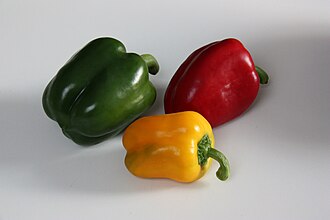
Photo: Wikipedia
The vibrant, glossy green bell pepper is a hollow, crisp fruit prized for its satisfying crunch and mild, slightly grassy flavor. Its thin skin and juicy flesh make it a refreshing raw snack, while its structure acts as a perfect edible vessel for countless fillings. Nutritionally, it's a low-calorie powerhouse, delivering a significant dose of vitamin C—more than an orange per gram—and a good amount of vitamin A.
💚 Why it's loved
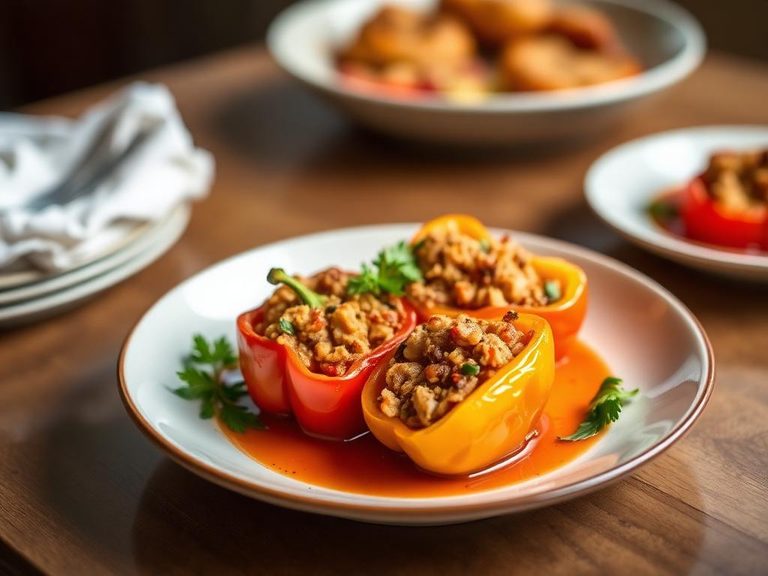
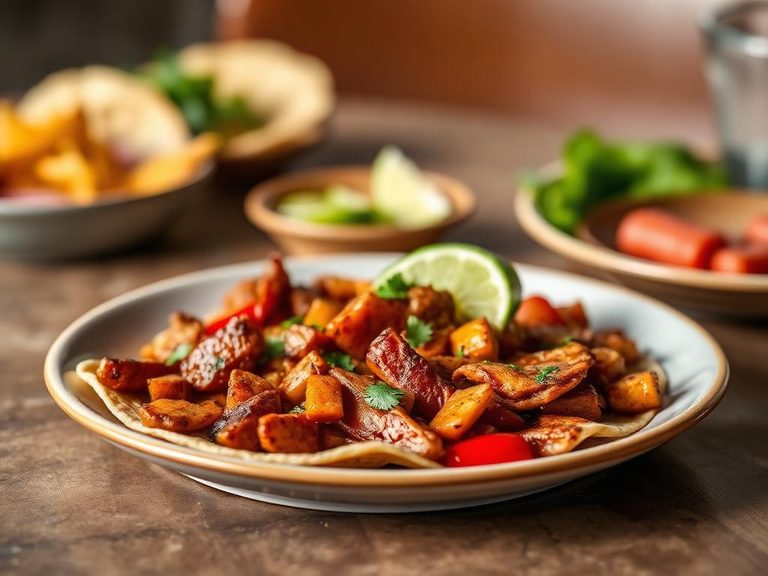
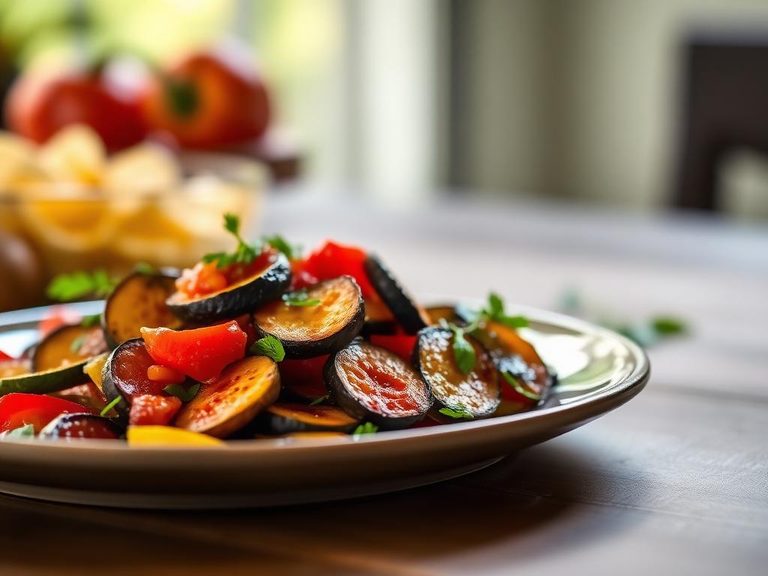
People adore the green pepper for its remarkable versatility; it adds a fresh, crisp texture to salads, stir-fries, and fajitas, and can be stuffed, roasted, or grilled. Its mild flavor serves as a perfect canvas for bolder ingredients, making it a staple in cuisines from Mexican to Mediterranean.
⚠️ Watch-outs & how to enjoy it better
Some find the raw flavor slightly bitter or grassy, and the high fiber content can cause digestive discomfort in sensitive individuals. To counteract bitterness, pair it with a flavorful dip like hummus (adding protein and fat) or cook it to mellow the taste. For digestive ease, start with smaller portions or cook it thoroughly to break down the fiber.
Key benefits
- Exceptionally high in immune-supporting vitamin C
- Rich in antioxidants like capsanthin and quercetin
- Very low in calories, aiding weight management
- Good source of dietary fiber for digestive health
- Contains vitamin B6, important for metabolism
🍽️ Popular dishes
🌍 Where it's eaten
💡 Did you know?
Despite being commonly called a vegetable, the green bell pepper is botanically a fruit—specifically, a berry—and is the same species as the red, yellow, and orange varieties, just harvested before full ripeness.
Full nutrition (scales with serving)
| Water | 94.1 g |
| Energy | 23.0 kcal |
| Protein | 0.72 g |
| Total lipid (fat) | 0.11 g |
| Carbohydrate, by difference | 4.8 g |
| Fiber, total dietary | 0.90 g |
| Total Sugars | 2.4 g |
| Calcium, Ca | 7.0 mg |
| Iron, Fe | 0.19 mg |
| Magnesium, Mg | 9.0 mg |
| Phosphorus, P | 17.0 mg |
| Potassium, K | 163 mg |
| Sodium, Na | 0.00 mg |
| Zinc, Zn | 0.13 mg |
| Copper, Cu | 0.06 mg |
| Selenium, Se | 0.00 ug |
| Vitamin C, total ascorbic acid | 99.5 mg |
| Thiamin | 0.04 mg |
| Riboflavin | 0.09 mg |
| Niacin | 0.64 mg |
| Vitamin B-6 | 0.25 mg |
| Folate, total | 22.0 ug |
| Folic acid | 0.00 ug |
| Folate, food | 22.0 ug |
| Folate, DFE | 22.0 ug |
| Choline, total | 5.5 mg |
| Vitamin B-12 | 0.00 ug |
| Vitamin B-12, added | 0.00 ug |
| Vitamin A, RAE | 18.0 ug |
| Retinol | 0.00 ug |
| Carotene, beta | 208 ug |
| Carotene, alpha | 21.0 ug |
| Cryptoxanthin, beta | 7.0 ug |
| Lycopene | 0.00 ug |
| Lutein + zeaxanthin | 341 ug |
| Vitamin E (alpha-tocopherol) | 0.37 mg |
| Vitamin E, added | 0.00 mg |
| Vitamin D (D2 + D3) | 0.00 ug |
| Vitamin K (phylloquinone) | 7.4 ug |
| Fatty acids, total saturated | 0.06 g |
| SFA 4:0 | 0.00 g |
| SFA 6:0 | 0.00 g |
| SFA 8:0 | 0.00 g |
| SFA 10:0 | 0.00 g |
| SFA 12:0 | 0.00 g |
| SFA 14:0 | 0.00 g |
| SFA 16:0 | 0.05 g |
| SFA 18:0 | 0.01 g |
| Fatty acids, total monounsaturated | 0.01 g |
| MUFA 16:1 | 0.00 g |
| MUFA 18:1 | 0.01 g |
| MUFA 20:1 | 0.00 g |
| MUFA 22:1 | 0.00 g |
| Fatty acids, total polyunsaturated | 0.06 g |
| PUFA 18:2 | 0.05 g |
| PUFA 18:3 | 0.01 g |
| PUFA 18:4 | 0.00 g |
| PUFA 20:4 | 0.00 g |
| PUFA 20:5 n-3 (EPA) | 0.00 g |
| PUFA 22:5 n-3 (DPA) | 0.00 g |
| PUFA 22:6 n-3 (DHA) | 0.00 g |
| Cholesterol | 0.00 mg |
| Alcohol, ethyl | 0.00 g |
| Caffeine | 0.00 mg |
| Theobromine | 0.00 mg |
FAQ
Why are green peppers cheaper than red or yellow ones?
Green peppers are harvested earlier, while red, yellow, and orange peppers are left on the plant longer to fully ripen, which increases their sugar content, sweetness, and production cost.
Can I eat the seeds and white pith inside?
Yes, they are edible, but the seeds can be bitter and the white pith (placenta) is tough. Most people remove them for a milder flavor and smoother texture in dishes.
How do I store them to keep them crisp?
Store unwashed peppers whole in the crisper drawer of your refrigerator, where they can last up to a week. Once cut, wrap tightly and use within a couple of days.