Peaches, yellow, raw
Whole food · Fruits and Fruit Juices
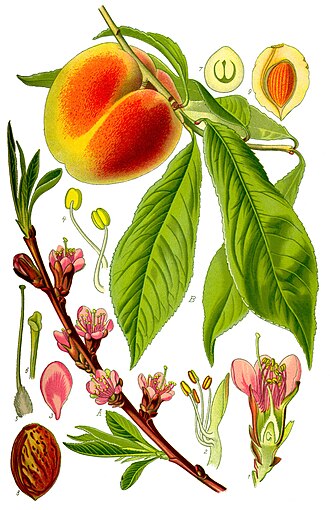
Photo: Wikipedia
A ripe yellow peach is a sun-drenched orb of sweet, floral perfume and a juicy, melting flesh that yields to a velvety skin. Its vibrant golden hue signals a bounty of beta-carotene, while its low calorie count makes it a guilt-free summer indulgence. Each bite is a perfect balance of honeyed sweetness and a gentle, tangy finish.
💚 Why it's loved
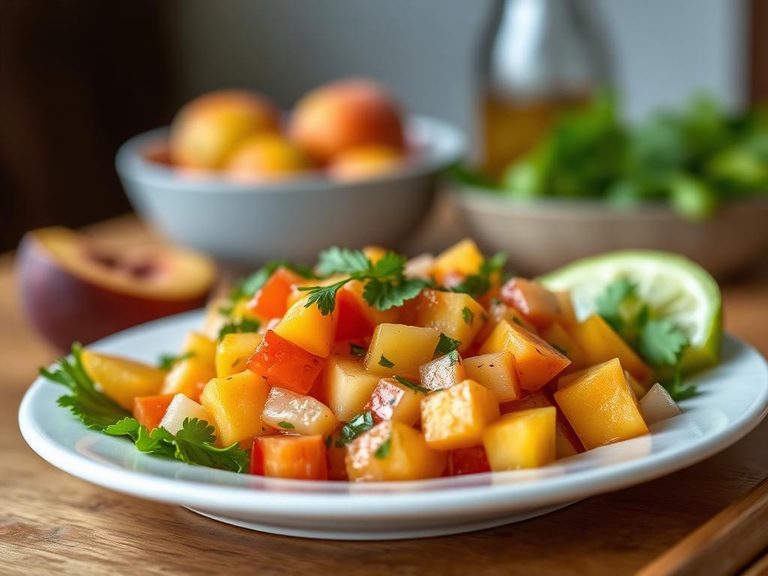
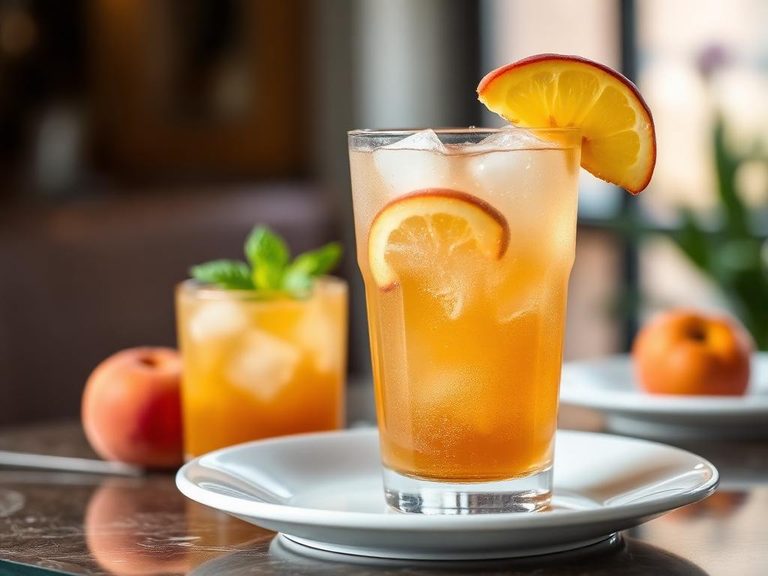
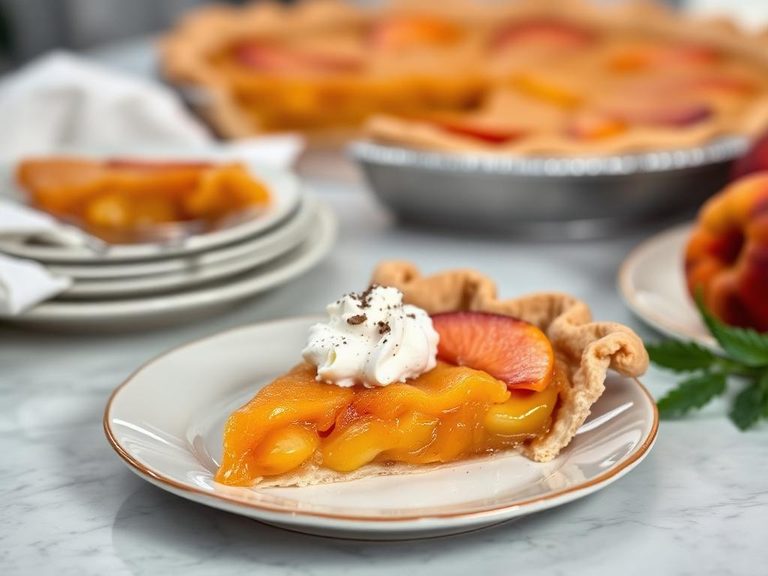
People adore the peach for its intoxicating summer aroma and the sheer juiciness that drips down the chin, evoking nostalgic memories of orchards and warm days. Its versatility shines from being eaten out of hand to being grilled, baked, or blended into both sweet and savory creations.
⚠️ Watch-outs & how to enjoy it better
The natural sugars, while healthy, can cause a quicker blood-sugar rise compared to lower-glycemic fruits, a consideration for those managing diabetes. The fuzzy skin can be an irritant for some, and it is a member of the Rosaceae family, which includes common allergens like almonds and apples. To counteract, pair a peach with a source of protein or healthy fat like Greek yogurt or nuts to slow sugar absorption, and simply peel the skin if it's bothersome.
Key benefits
- Excellent source of vitamin C, supporting immune function.
- Rich in beta-carotene, which the body converts to vitamin A for eye health.
- Provides dietary fiber for digestive regularity.
- Low in calories and naturally hydrating due to high water content.
- Contains antioxidants like chlorogenic acid.
🍽️ Popular dishes
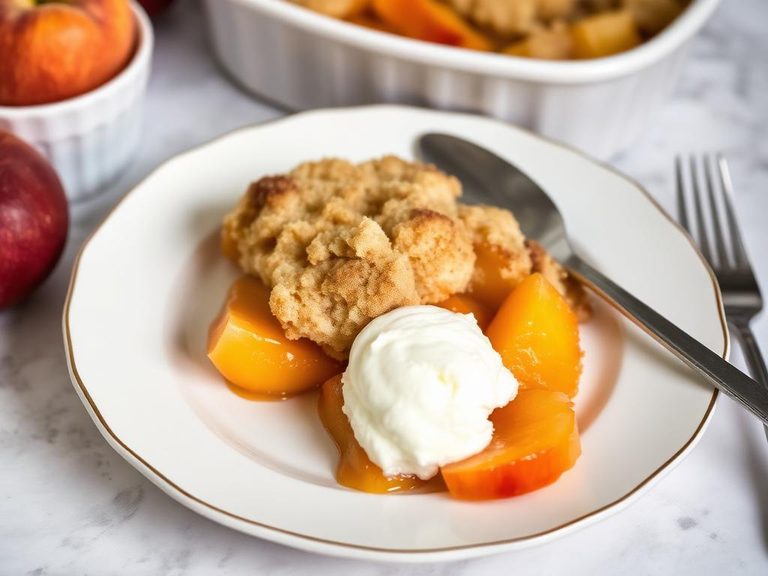
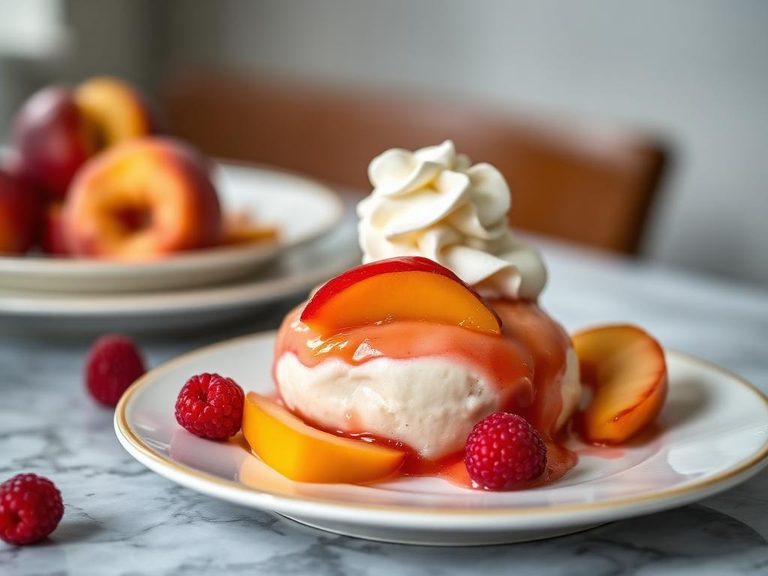
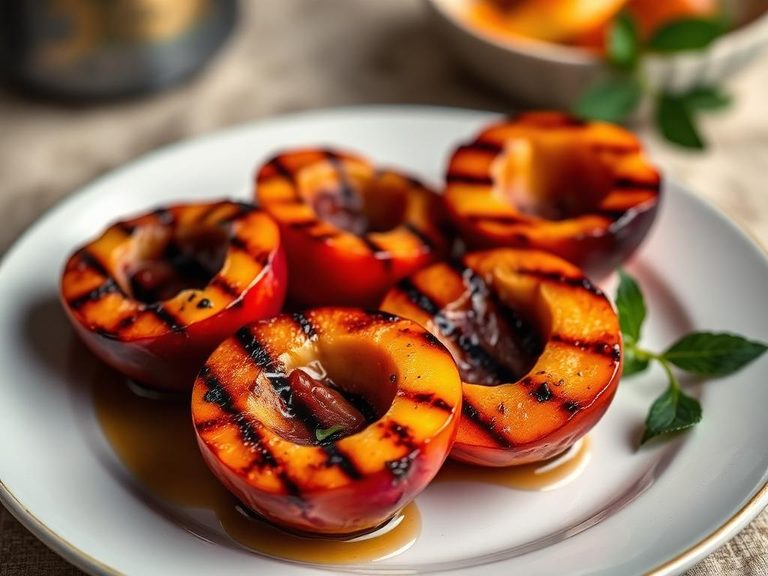
🌍 Where it's eaten
💡 Did you know?
The scientific name for the peach, *Prunus persica*, means 'Persian plum,' as ancient Romans mistakenly believed the fruit originated in Persia (modern-day Iran), when it was actually first domesticated in China over 8,000 years ago.
Full nutrition (scales with serving)
| Water | 88.3 g |
| Energy (Atwater General Factors) | 46.0 kcal |
| Energy (Atwater Specific Factors) | 42.0 kcal |
| Energy | 42.0 kcal |
| Energy | 174 kj |
| Nitrogen | 0.15 g |
| Protein | 0.91 g |
| Total lipid (fat) | 0.27 g |
| Ash | 0.43 g |
| Carbohydrate, by difference | 10.1 g |
| Carbohydrate, by summation | 9.9 g |
| Fiber, total dietary | 1.5 g |
| Fiber, soluble | 0.60 g |
| Fiber, insoluble | 0.90 g |
| Sugars, Total | 8.4 g |
| Sucrose | 4.8 g |
| Glucose | 1.9 g |
| Fructose | 1.5 g |
| Lactose | 0.00 g |
| Maltose | 0.08 g |
| Galactose | 0.06 g |
| Starch | 0.00 g |
| Calcium, Ca | 4.0 mg |
| Iron, Fe | 0.34 mg |
| Magnesium, Mg | 8.0 mg |
| Phosphorus, P | 22.0 mg |
| Potassium, K | 122 mg |
| Sodium, Na | 13.0 mg |
| Zinc, Zn | 0.23 mg |
| Copper, Cu | 0.08 mg |
| Manganese, Mn | 0.03 mg |
| Selenium, Se | 2.1 ug |
| Vitamin C, total ascorbic acid | 4.1 mg |
| Thiamin | 0.02 mg |
| Riboflavin | 0.03 mg |
| Niacin | 0.81 mg |
| Pantothenic acid | 0.15 mg |
| Vitamin B-6 | 0.03 mg |
| Folate, total | 6.0 ug |
| Vitamin A, RAE | 24.0 ug |
| Carotene, beta | 224 ug |
| Carotene, alpha | 0.00 ug |
| Cryptoxanthin, beta | 117 ug |
| Lycopene | 0.00 ug |
| Lutein + zeaxanthin | 132 ug |
| Vitamin K (phylloquinone) | 3.0 ug |
| Vitamin K (Dihydrophylloquinone) | 0.00 ug |
| Tryptophan | 0.01 g |
| Threonine | 0.01 g |
| Isoleucine | 0.02 g |
| Leucine | 0.03 g |
| Lysine | 0.03 g |
| Methionine | 0.01 g |
| Cystine | 0.01 g |
| Phenylalanine | 0.02 g |
| Tyrosine | 0.01 g |
| Valine | 0.02 g |
| Arginine | 0.02 g |
| Histidine | 0.01 g |
| Alanine | 0.03 g |
| Aspartic acid | 0.41 g |
| Glutamic acid | 0.05 g |
| Glycine | 0.02 g |
| Proline | 0.02 g |
| Serine | 0.03 g |
FAQ
What's the difference between a yellow and white peach?
Yellow peaches typically have a more balanced sweet-tart flavor with a classic 'peachy' taste, while white peaches are often sweeter with lower acidity and a more floral, delicate profile.
How do I ripen a peach faster?
Place the peach in a brown paper bag with an apple or banana. The ethylene gas released by the other fruit will accelerate the ripening process, usually within 1-2 days.
Can I eat the skin?
Yes, the skin is edible and contains fiber and antioxidants. However, if you find the texture or fuzz unpleasant, it's easy to peel by blanching the peach in boiling water for 30 seconds and then plunging it into ice water.