

Pasta, fresh-refrigerated, plain, as purchased
Whole food · Cereal Grains and Pasta

Photo: Wikipedia
This is fresh pasta, typically sold in the refrigerated section, made from just flour and eggs. It has a tender, slightly chewy texture and a rich, eggy flavor that dries to a firm bite when cooked al dente. Nutritionally, it's a concentrated source of carbohydrate energy with a moderate amount of protein.
Calorie split: 16% protein · 77% carbs · 7% fat
↓ Full nutrition💚 Why it's loved
People love fresh pasta for its luxurious, tender texture and rich flavor that elevates simple sauces. It's also cherished for its speed, transforming from package to plate in just a few minutes for a satisfying meal.
⚠️ Watch-outs & how to enjoy it better
Its high carbohydrate content and lack of fiber can lead to rapid blood-sugar spikes if eaten alone. To counteract this, pair it with protein-rich foods like chicken, fish, or legumes, and load it with non-starchy vegetables like spinach, broccoli, or zucchini to add fiber and slow digestion.
Key benefits
- Quick-cooking convenience compared to dried pasta
- Provides a good source of energy from complex carbs
- Contains protein from eggs for muscle maintenance
- Offers a superior, tender texture for many sauces
- A versatile base for countless quick meals
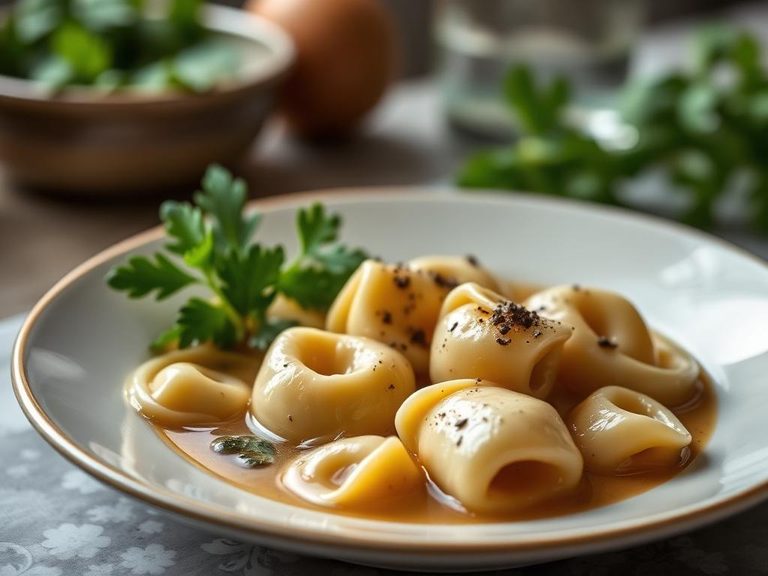
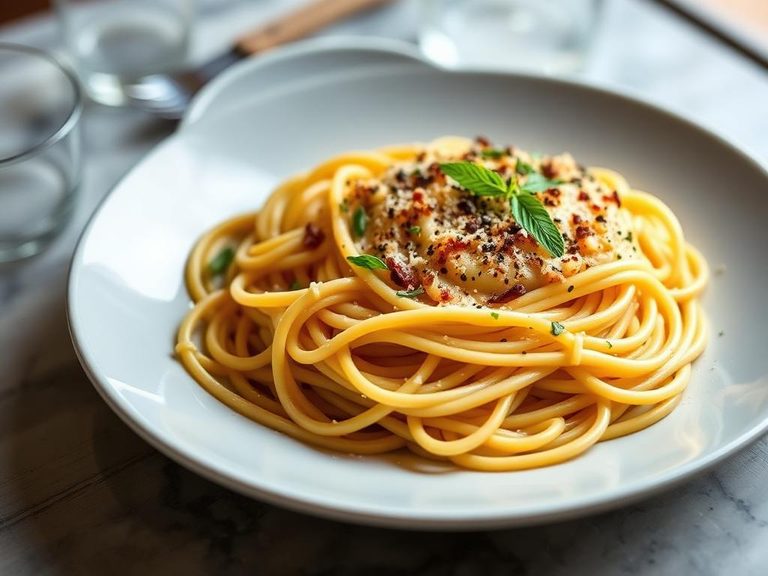
🍽️ Popular dishes
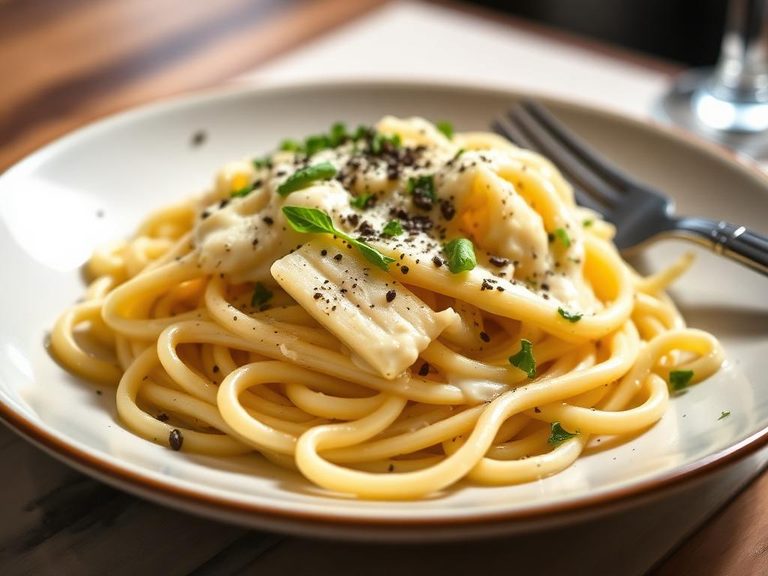
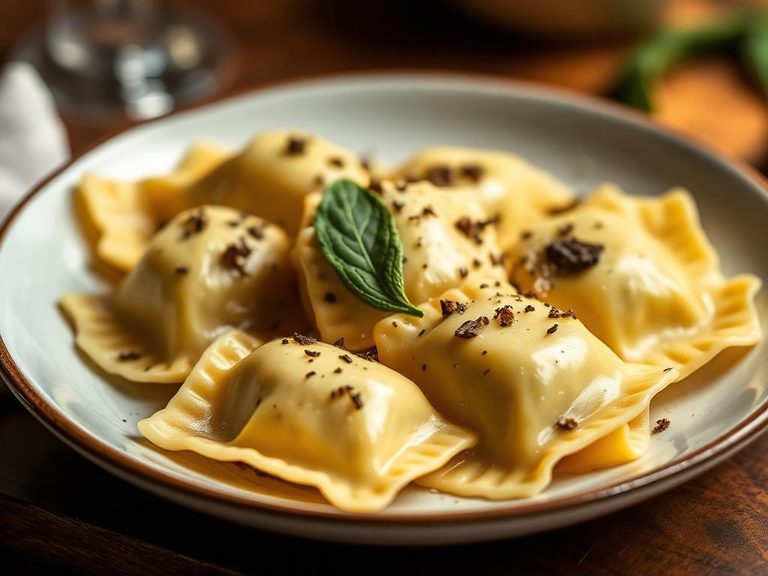
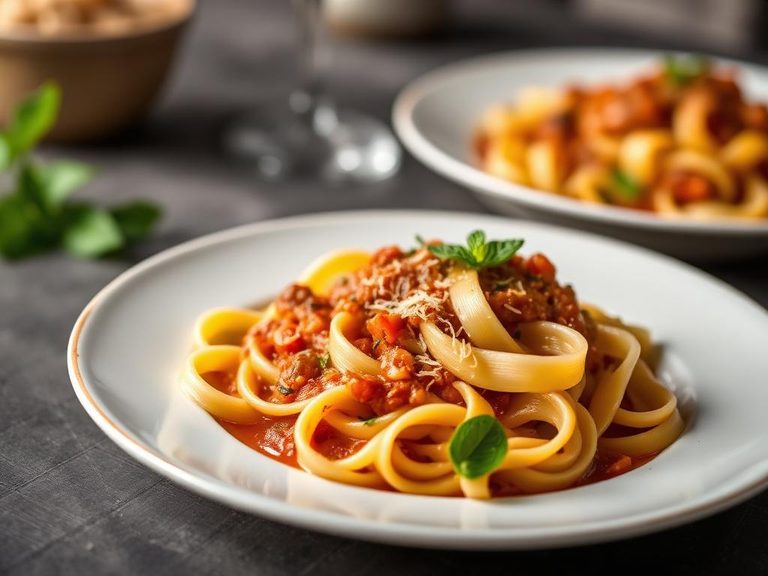
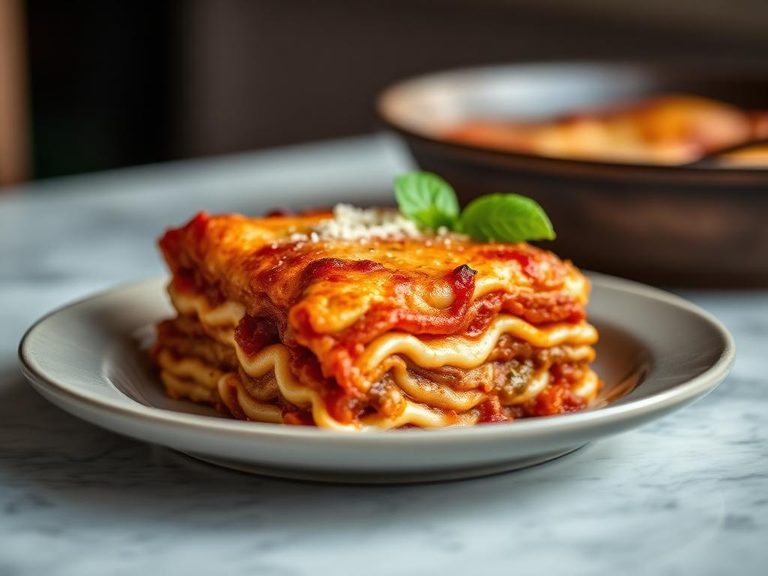
🌍 Where it's eaten
💡 Did you know?
The name 'fettuccine' literally means 'little ribbons' in Italian, describing its classic flat, narrow shape.
Full nutrition (USDA data · scales with serving)
| Water | 31.0 g |
| Energy | 288 kcal |
| Energy | 1205 kj |
| Protein | 11.3 g |
| Total lipid (fat) | 2.3 g |
| Ash | 0.66 g |
| Carbohydrate, by difference | 54.7 g |
| Calcium, Ca | 15.0 mg |
| Iron, Fe | 3.4 mg |
| Magnesium, Mg | 46.0 mg |
| Phosphorus, P | 163 mg |
| Potassium, K | 179 mg |
| Sodium, Na | 26.0 mg |
| Zinc, Zn | 1.2 mg |
| Copper, Cu | 0.23 mg |
| Manganese, Mn | 0.55 mg |
| Vitamin C, total ascorbic acid | 0.00 mg |
| Thiamin | 0.70 mg |
| Riboflavin | 0.44 mg |
| Niacin | 3.4 mg |
| Pantothenic acid | 0.54 mg |
| Vitamin B-6 | 0.09 mg |
| Folate, total | 176 ug |
| Folic acid | 154 ug |
| Folate, food | 22.0 ug |
| Folate, DFE | 284 ug |
| Vitamin B-12 | 0.31 ug |
| Vitamin A, RAE | 14.0 ug |
| Retinol | 14.0 ug |
| Vitamin A, IU | 47.0 iu |
Fat & fatty acid profile (per 100g)
| Fatty acids, total saturated | 0.33 g |
| SFA 14:0 | 0.01 g |
| SFA 16:0 | 0.29 g |
| SFA 18:0 | 0.04 g |
| Fatty acids, total monounsaturated | 0.27 g |
| MUFA 18:1 | 0.27 g |
| Fatty acids, total polyunsaturated | 0.94 g |
| PUFA 18:2 | 0.86 g |
| PUFA 18:3 | 0.08 g |
| Cholesterol | 73.0 mg |
Amino acid profile (per 100g)
| Tryptophan | 0.14 g |
| Threonine | 0.29 g |
| Isoleucine | 0.43 g |
| Leucine | 0.76 g |
| Lysine | 0.21 g |
| Methionine | 0.17 g |
| Cystine | 0.32 g |
| Phenylalanine | 0.54 g |
| Tyrosine | 0.29 g |
| Valine | 0.48 g |
| Arginine | 0.41 g |
| Histidine | 0.23 g |
| Alanine | 0.33 g |
| Aspartic acid | 0.46 g |
| Glutamic acid | 4.0 g |
| Glycine | 0.35 g |
| Proline | 1.2 g |
| Serine | 0.53 g |
FAQ
How is fresh pasta different from dried pasta?
Fresh pasta contains eggs and has a higher moisture content, resulting in a softer, more tender texture and shorter cooking time. Dried pasta is typically made from just semolina flour and water, is harder, and holds its shape better with robust sauces.
How long does fresh pasta take to cook?
It cooks very quickly, usually in just 2-4 minutes in boiling salted water. It's done when it floats to the surface and is tender but still has a slight bite.
Can I freeze fresh pasta?
Yes. To prevent sticking, spread the uncooked pasta on a floured baking sheet to freeze individually first, then transfer to a freezer bag. It can be cooked directly from frozen, adding a minute or two to the cooking time.
Nutrient density (calculated · NRF9.3)
Nutrient Rich Foods index: beneficial nutrients (protein, fiber, vitamins, minerals) minus saturated fat, added sugar & sodium, per 100 kcal.
NRF9.3 index — Fulgoni, Keast & Drewnowski, 2009. Computed from USDA nutrients.
Weight-loss friendliness (composite index)
Energy density 2.88 kcal/g · 16% calories from protein · 0.0 g fiber · 0.0 g sugar per 100 g.
Composite of energy density (Rolls et al., 1999), protein & fiber satiety, minus sugar. A calculated heuristic — ranks satiety-per-calorie, not a clinical measure.
Dietary load (calculated from USDA values)
Potential renal acid load. Positive = acid-forming, negative = alkaline-forming.
Sodium-to-potassium ratio: 0.15 (lower is better — aim for ≤ 1)
Sodium:potassium per WHO potassium guidance. Computed from USDA nutrients.