

Nuts, formulated, wheat-based, unflavored, with salt added
Whole food · Nut and Seed Products

Photo: Wikipedia
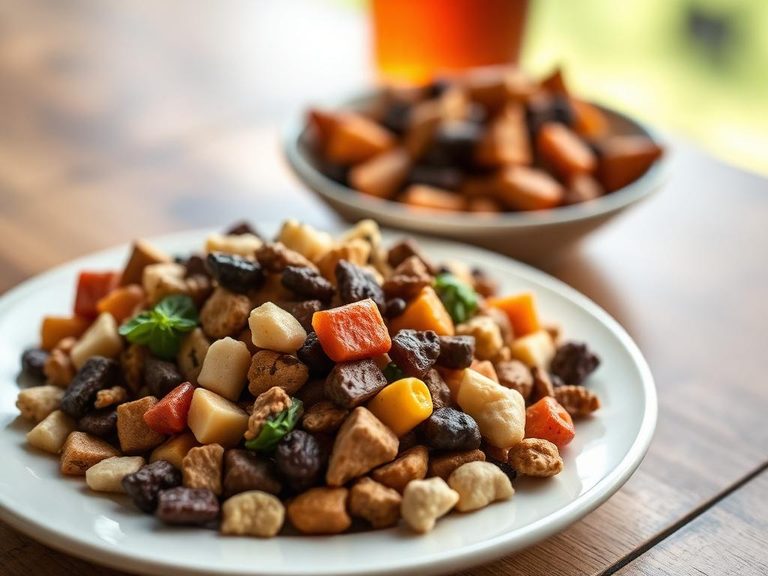
This is a savory, crunchy snack made from a wheat-based dough that is formulated to mimic the texture and satisfying bite of nuts. It has a salty, toasty flavor and a dense, crisp consistency. Nutritionally, it's a high-fat, high-calorie energy source, providing significant fat and calories per 100g.
Calorie split: 8% protein · 14% carbs · 78% fat
↓ Full nutrition💚 Why it's loved
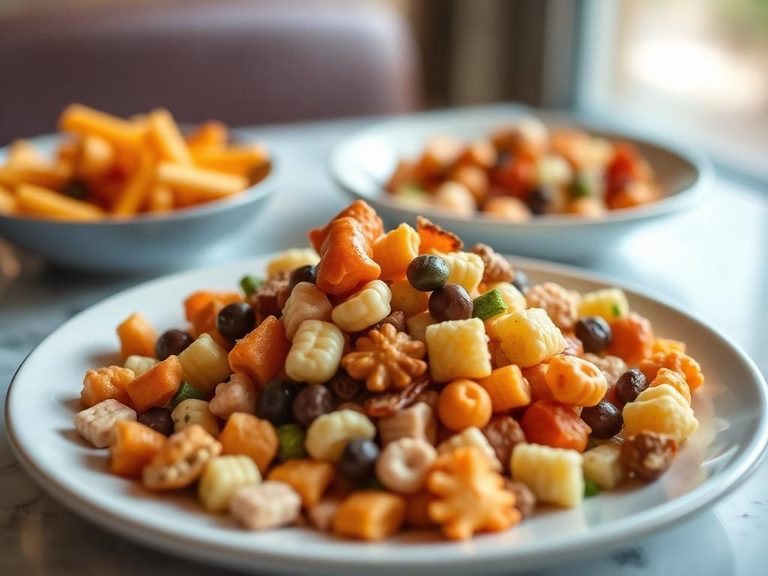
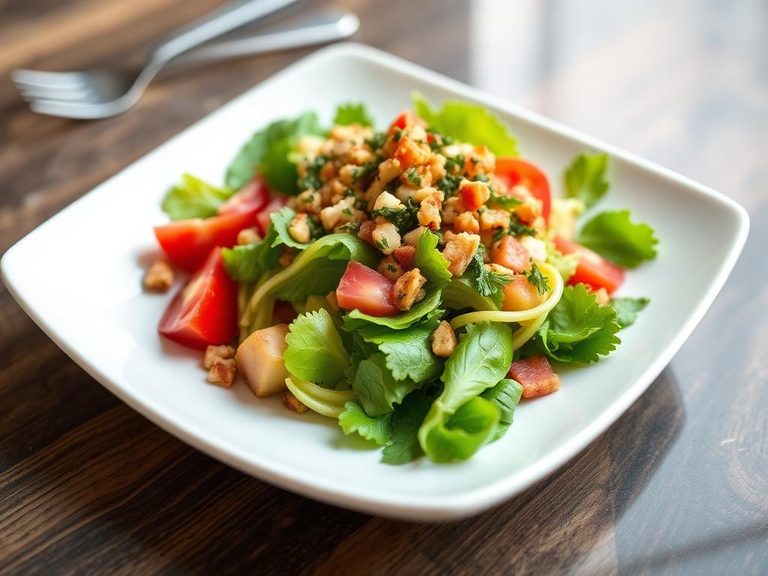
People love it for its addictive salty crunch and satisfying, nut-like texture that's perfect for snacking. Its versatility makes it a popular addition to trail mixes, salads, and cheese boards.
⚠️ Watch-outs & how to enjoy it better
The high sodium content can be a concern for those monitoring blood pressure, and the high fat and calorie density requires mindful portion control. As a wheat-based product, it is not suitable for those with celiac disease or gluten sensitivities. Tip: Pair a small handful with a piece of fruit or vegetable to balance the meal and increase volume without excessive calories.
Key benefits
- High in energy-dense calories for quick fuel.
- Good source of dietary fat for satiety.
- Provides a notable amount of plant-based protein.
- Contains dietary fiber for digestive health.
- Offers a crunchy, savory alternative to traditional nuts.
🍽️ Popular dishes

🌍 Where it's eaten
💡 Did you know?
These wheat-based 'nuts' are often engineered to have a specific 'snap' that mimics the experience of biting into a real nut, using precise baking and frying techniques.
Full nutrition (USDA data · scales with serving)
| Water | 2.5 g |
| Energy | 622 kcal |
| Energy | 2602 kj |
| Protein | 13.8 g |
| Total lipid (fat) | 57.7 g |
| Ash | 2.3 g |
| Carbohydrate, by difference | 23.7 g |
| Fiber, total dietary | 5.2 g |
| Calcium, Ca | 26.0 mg |
| Iron, Fe | 2.4 mg |
| Magnesium, Mg | 58.0 mg |
| Phosphorus, P | 371 mg |
| Potassium, K | 318 mg |
| Sodium, Na | 505 mg |
| Zinc, Zn | 2.9 mg |
| Copper, Cu | 0.18 mg |
| Manganese, Mn | 7.9 mg |
| Vitamin C, total ascorbic acid | 0.10 mg |
| Thiamin | 0.30 mg |
| Riboflavin | 0.30 mg |
| Niacin | 1.5 mg |
| Pantothenic acid | 0.31 mg |
| Vitamin B-6 | 0.39 mg |
| Folate, total | 142 ug |
| Folic acid | 0.00 ug |
| Folate, food | 142 ug |
| Folate, DFE | 142 ug |
| Vitamin B-12 | 0.00 ug |
| Vitamin A, RAE | 0.00 ug |
| Retinol | 0.00 ug |
| Vitamin A, IU | 1.0 iu |
| Vitamin D (D2 + D3), International Units | 0.00 iu |
| Vitamin D (D2 + D3) | 0.00 ug |
Fat & fatty acid profile (per 100g)
| Fatty acids, total saturated | 8.7 g |
| SFA 14:0 | 0.09 g |
| SFA 16:0 | 6.0 g |
| SFA 18:0 | 2.7 g |
| Fatty acids, total monounsaturated | 23.5 g |
| MUFA 16:1 | 0.23 g |
| MUFA 18:1 | 23.3 g |
| Fatty acids, total polyunsaturated | 22.7 g |
| PUFA 18:2 | 21.0 g |
| PUFA 18:3 | 1.7 g |
| Cholesterol | 0.00 mg |
Amino acid profile (per 100g)
| Tryptophan | 0.16 g |
| Threonine | 0.58 g |
| Isoleucine | 0.56 g |
| Leucine | 0.99 g |
| Lysine | 0.91 g |
| Methionine | 0.28 g |
| Cystine | 0.25 g |
| Phenylalanine | 0.60 g |
| Tyrosine | 0.48 g |
| Valine | 0.73 g |
| Arginine | 1.1 g |
| Histidine | 0.39 g |
| Alanine | 0.82 g |
| Aspartic acid | 1.3 g |
| Glutamic acid | 2.5 g |
| Glycine | 0.77 g |
| Proline | 0.85 g |
| Serine | 0.70 g |
FAQ
Is this a healthy snack?
It can be part of a balanced diet in moderation. It's high in calories and fat, so portion control is key. It provides energy and some protein but should be balanced with other nutrient-dense foods.
How is it different from real nuts?
It's made from wheat flour and is formulated to taste and feel like nuts. It typically has a higher carbohydrate content than most nuts and lacks some of the specific micronutrients found in tree nuts or peanuts.
Can I use it in cooking?
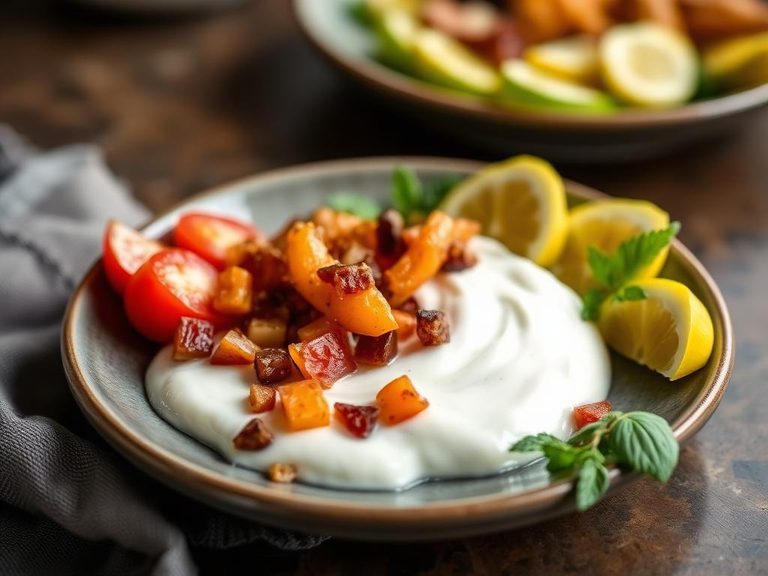
Yes, it's excellent for adding crunch. Use it as a topping for casseroles, in stuffings, or as a coating for baked proteins like chicken or fish.
Nutrient density (calculated · NRF9.3)
Nutrient Rich Foods index: beneficial nutrients (protein, fiber, vitamins, minerals) minus saturated fat, added sugar & sodium, per 100 kcal.
NRF9.3 index — Fulgoni, Keast & Drewnowski, 2009. Computed from USDA nutrients.
Weight-loss friendliness (composite index)
Energy density 6.22 kcal/g · 9% calories from protein · 5.2 g fiber · 0.0 g sugar per 100 g.
Composite of energy density (Rolls et al., 1999), protein & fiber satiety, minus sugar. A calculated heuristic — ranks satiety-per-calorie, not a clinical measure.
Dietary load (calculated from USDA values)
Potential renal acid load. Positive = acid-forming, negative = alkaline-forming.
Sodium-to-potassium ratio: 1.59 (lower is better — aim for ≤ 1)
Sodium:potassium per WHO potassium guidance. Computed from USDA nutrients.