

Nuts, chestnuts, japanese, boiled and steamed
Whole food · Nut and Seed Products

Photo: Wikipedia
Japanese chestnuts, known as kuri, are a starchy, subtly sweet nut that becomes tender and floury when boiled or steamed. Unlike many nuts, they are remarkably low in fat and high in complex carbohydrates, offering a satisfying, earthy flavor reminiscent of sweet potato. Their soft, mealy texture makes them a comforting and versatile ingredient in both savory and sweet dishes.
Calorie split: 6% protein · 91% carbs · 3% fat
↓ Full nutrition💚 Why it's loved
People love Japanese chestnuts for their delicate, nutty-sweet flavor and satisfyingly soft, starchy texture that feels both hearty and light. They are a cherished seasonal ingredient in Japan, deeply embedded in autumn traditions and festive cuisine.
⚠️ Watch-outs & how to enjoy it better
Their high carbohydrate content can cause blood-sugar spikes if consumed in large quantities, especially for those with diabetes. To mitigate this, pair them with a source of protein or healthy fat (like a small amount of cheese or nuts) and practice portion control. Some individuals may also have a chestnut allergy, so caution is advised.
Key benefits
- Low in fat and a good source of complex carbohydrates.
- Provides vitamin C, which is uncommon for nuts.
- Contains minerals like potassium and manganese.
- Offers a mild, sweet flavor without added sugar.
- Can be used in both sweet and savory preparations.
🍽️ Popular dishes
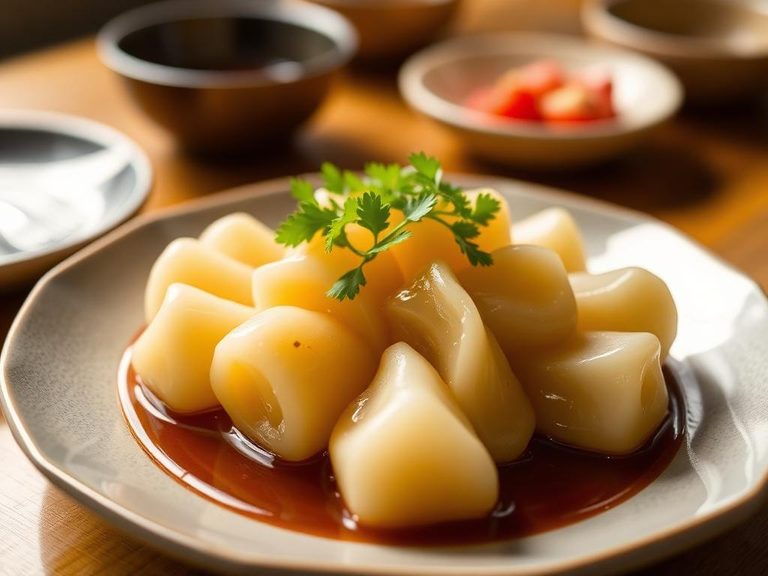
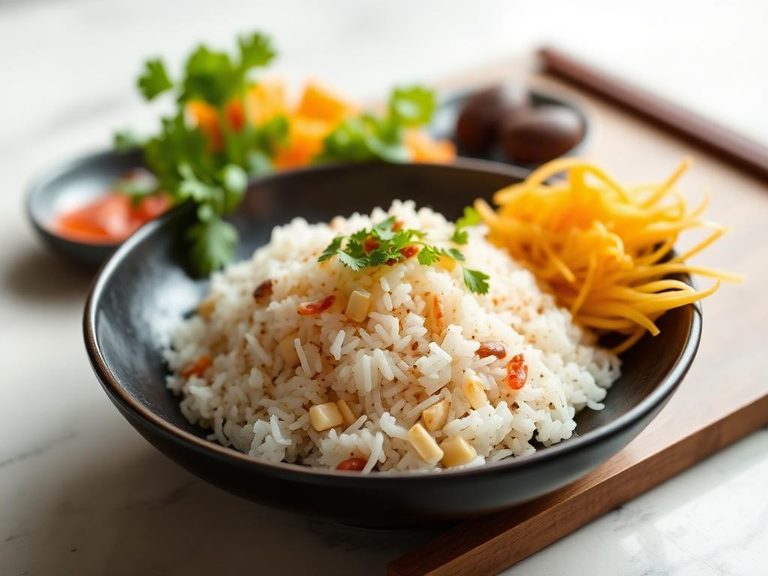

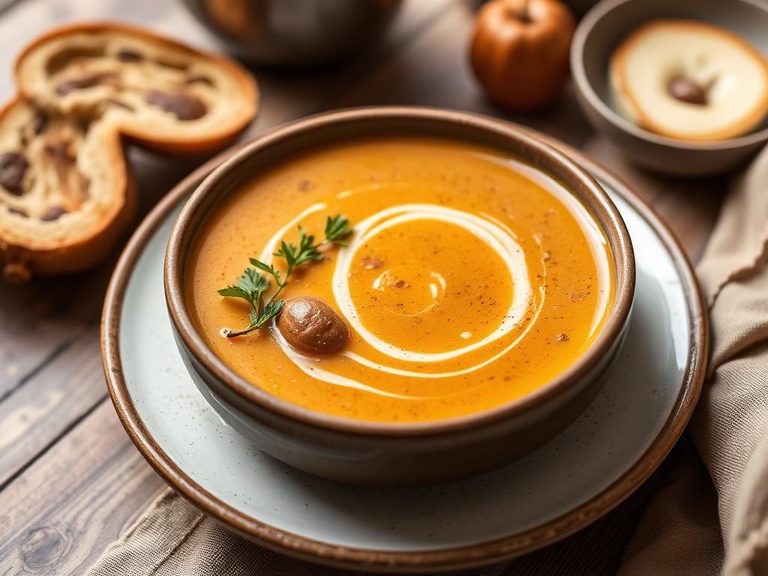
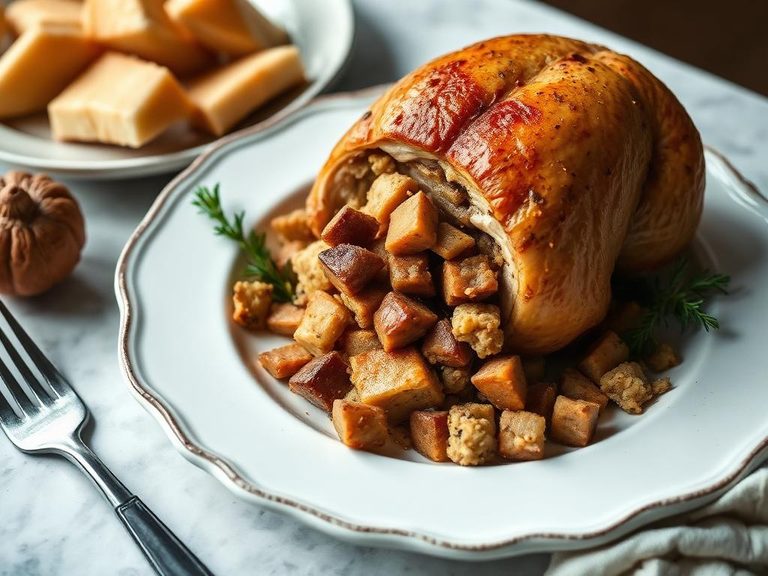
🌍 Where it's eaten
💡 Did you know?
Japanese chestnuts (Castanea crenata) are one of the few nuts that contain significant amounts of vitamin C, a nutrient typically associated with fruits and vegetables.
Full nutrition (USDA data · scales with serving)
| Water | 86.0 g |
| Energy | 56.0 kcal |
| Energy | 234 kj |
| Protein | 0.82 g |
| Total lipid (fat) | 0.19 g |
| Ash | 0.33 g |
| Carbohydrate, by difference | 12.6 g |
| Calcium, Ca | 11.0 mg |
| Iron, Fe | 0.53 mg |
| Magnesium, Mg | 18.0 mg |
| Phosphorus, P | 26.0 mg |
| Potassium, K | 119 mg |
| Sodium, Na | 5.0 mg |
| Zinc, Zn | 0.40 mg |
| Copper, Cu | 0.20 mg |
| Manganese, Mn | 0.58 mg |
| Vitamin C, total ascorbic acid | 9.5 mg |
| Thiamin | 0.13 mg |
| Riboflavin | 0.06 mg |
| Niacin | 0.54 mg |
| Pantothenic acid | 0.07 mg |
| Vitamin B-6 | 0.10 mg |
| Folate, total | 17.0 ug |
| Folic acid | 0.00 ug |
| Folate, food | 17.0 ug |
| Folate, DFE | 17.0 ug |
| Vitamin B-12 | 0.00 ug |
| Vitamin A, RAE | 1.0 ug |
| Retinol | 0.00 ug |
| Vitamin A, IU | 13.0 iu |
| Vitamin D (D2 + D3), International Units | 0.00 iu |
| Vitamin D (D2 + D3) | 0.00 ug |
Fat & fatty acid profile (per 100g)
| Fatty acids, total saturated | 0.03 g |
| SFA 16:0 | 0.03 g |
| SFA 18:0 | 0.00 g |
| Fatty acids, total monounsaturated | 0.10 g |
| MUFA 16:1 | 0.00 g |
| MUFA 18:1 | 0.10 g |
| MUFA 20:1 | 0.00 g |
| Fatty acids, total polyunsaturated | 0.05 g |
| PUFA 18:2 | 0.04 g |
| PUFA 18:3 | 0.01 g |
| Cholesterol | 0.00 mg |
Amino acid profile (per 100g)
| Tryptophan | 0.01 g |
| Threonine | 0.03 g |
| Isoleucine | 0.04 g |
| Leucine | 0.05 g |
| Lysine | 0.05 g |
| Methionine | 0.02 g |
| Cystine | 0.02 g |
| Phenylalanine | 0.03 g |
| Tyrosine | 0.02 g |
| Valine | 0.05 g |
| Arginine | 0.05 g |
| Histidine | 0.02 g |
| Alanine | 0.07 g |
| Aspartic acid | 0.17 g |
| Glutamic acid | 0.16 g |
| Glycine | 0.04 g |
| Proline | 0.05 g |
| Serine | 0.04 g |
FAQ
How do I prepare Japanese chestnuts for boiling or steaming?
To prepare Japanese chestnuts, score a small X on the flat side of each chestnut with a sharp knife. This prevents them from bursting during cooking. Boil or steam them for about 20-30 minutes until tender, then peel while still warm.
Are Japanese chestnuts gluten-free?
Yes, Japanese chestnuts are naturally gluten-free, making them a safe and nutritious option for those with gluten sensitivities or celiac disease.
What is the best way to store boiled or steamed Japanese chestnuts?
Store boiled or steamed Japanese chestnuts in an airtight container in the refrigerator for up to 5 days. For longer storage, you can freeze them for up to 3 months.
Nutrient density (calculated · NRF9.3)
Nutrient Rich Foods index: beneficial nutrients (protein, fiber, vitamins, minerals) minus saturated fat, added sugar & sodium, per 100 kcal.
NRF9.3 index — Fulgoni, Keast & Drewnowski, 2009. Computed from USDA nutrients.
Weight-loss friendliness (composite index)
Energy density 0.56 kcal/g · 6% calories from protein · 0.0 g fiber · 0.0 g sugar per 100 g.
Composite of energy density (Rolls et al., 1999), protein & fiber satiety, minus sugar. A calculated heuristic — ranks satiety-per-calorie, not a clinical measure.
Dietary load (calculated from USDA values)
Potential renal acid load. Positive = acid-forming, negative = alkaline-forming.
Sodium-to-potassium ratio: 0.04 (lower is better — aim for ≤ 1)
Sodium:potassium per WHO potassium guidance. Computed from USDA nutrients.