

Nuts, chestnuts, chinese, raw
Whole food · Nut and Seed Products

Photo: Wikipedia
The Chinese chestnut (Castanea mollissima) is a starchy, subtly sweet nut with a firm, slightly crunchy texture when raw. Unlike its European cousin, it boasts a lower tannin content, making it less astringent. Its nutritional profile is dominated by complex carbohydrates, providing a steady source of energy with minimal fat.
Calorie split: 8% protein · 88% carbs · 4% fat
↓ Full nutrition💚 Why it's loved
People love its mild, sweet flavor and satisfyingly firm texture, which lends itself to both sweet and savory preparations. It is a cornerstone of East Asian cuisine, especially celebrated in festive dishes and roasted street snacks.
⚠️ Watch-outs & how to enjoy it better
Raw chestnuts contain tannins and antinutrients that can cause digestive discomfort or astringency. Their high carbohydrate content can lead to blood sugar spikes if consumed in large quantities. To mitigate, always cook them (roasting, boiling, or steaming) to break down antinutrients and pair with protein or fat to slow sugar absorption.
Key benefits
- Good source of complex carbohydrates for sustained energy
- Low in fat, making it a leaner nut option
- Contains vitamin C, an unusual trait for a nut
- Provides minerals like potassium and manganese
- Naturally gluten-free and low in sodium
🍽️ Popular dishes
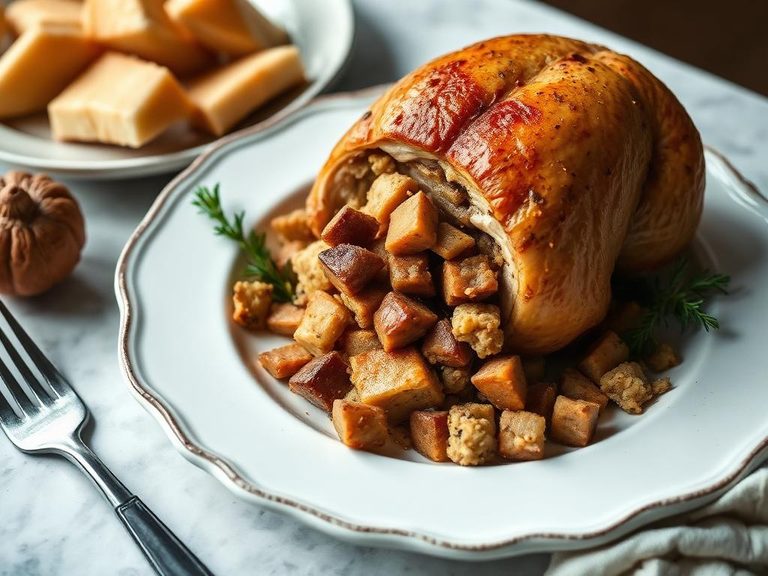
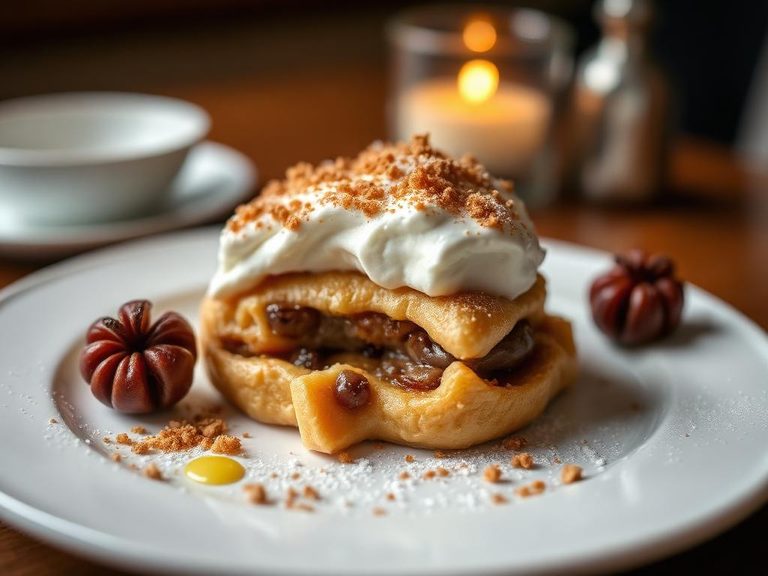
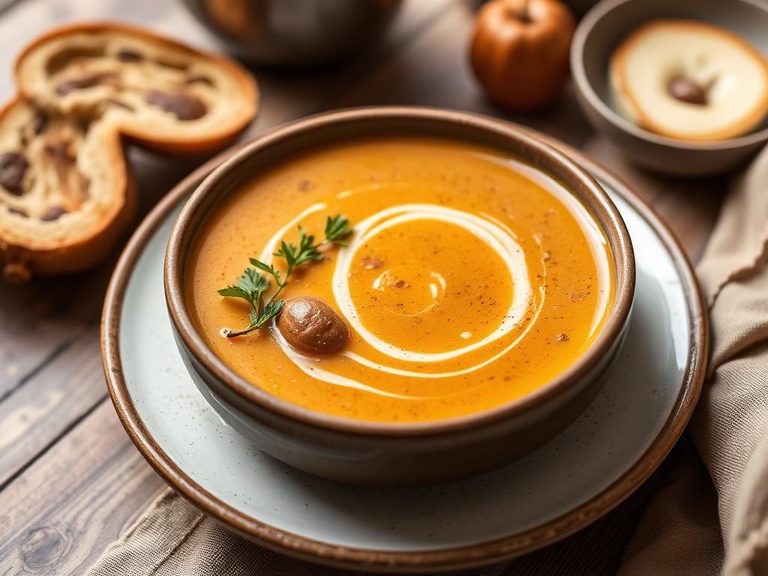
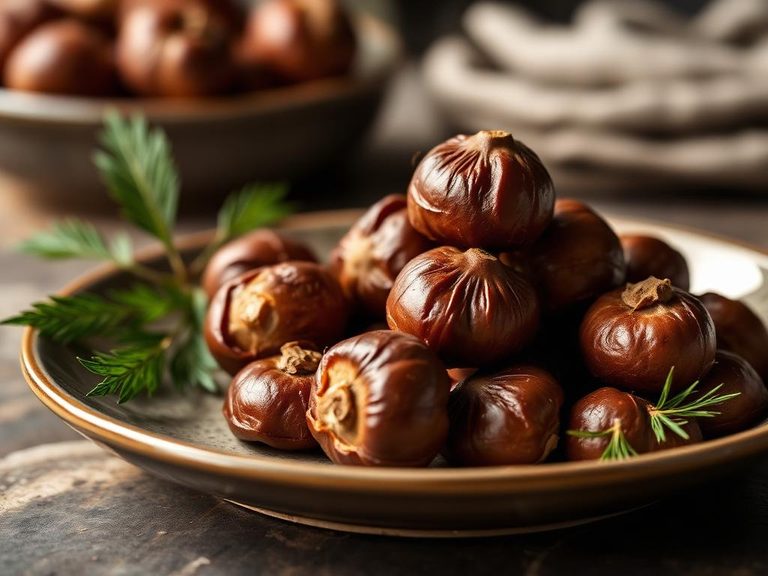
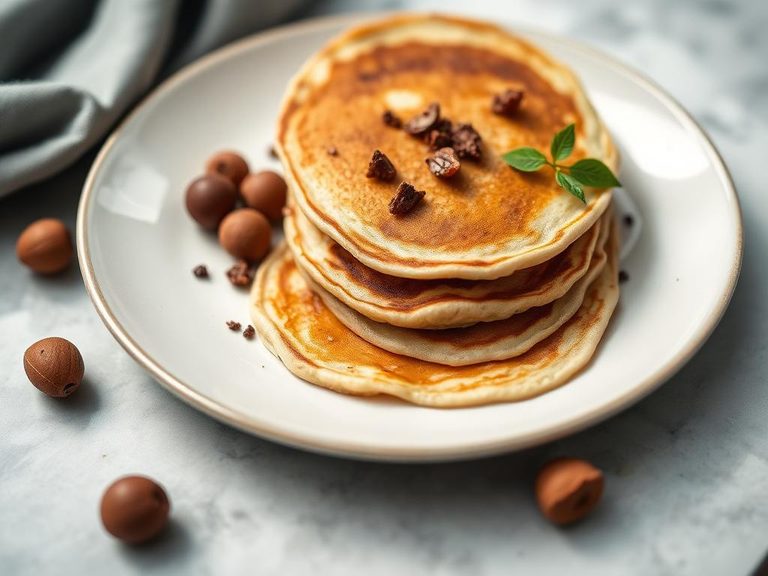
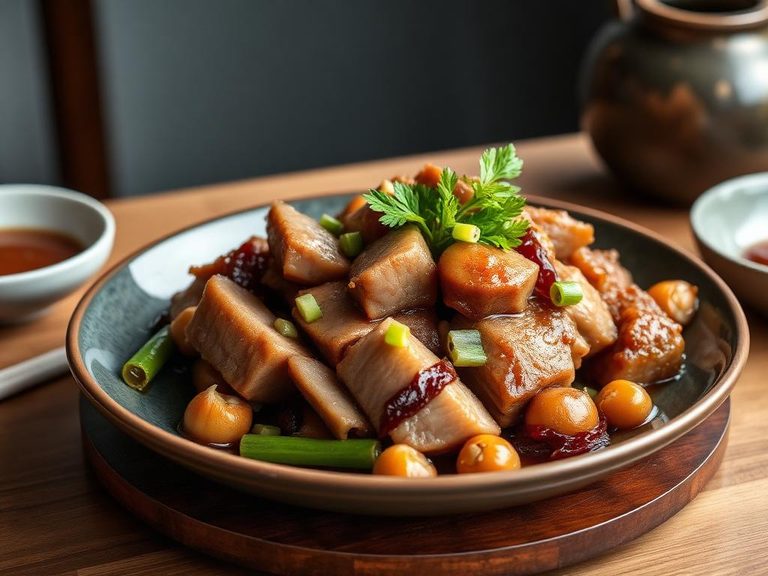
🌍 Where it's eaten
💡 Did you know?
Chinese chestnuts are one of the few nuts that contain significant vitamin C, a nutrient typically associated with fruits and vegetables.
Full nutrition (USDA data · scales with serving)
| Water | 44.0 g |
| Energy | 224 kcal |
| Energy | 937 kj |
| Protein | 4.2 g |
| Total lipid (fat) | 1.1 g |
| Ash | 1.7 g |
| Carbohydrate, by difference | 49.1 g |
| Calcium, Ca | 18.0 mg |
| Iron, Fe | 1.4 mg |
| Magnesium, Mg | 84.0 mg |
| Phosphorus, P | 96.0 mg |
| Potassium, K | 447 mg |
| Sodium, Na | 3.0 mg |
| Zinc, Zn | 0.87 mg |
| Copper, Cu | 0.36 mg |
| Manganese, Mn | 1.6 mg |
| Vitamin C, total ascorbic acid | 36.0 mg |
| Thiamin | 0.16 mg |
| Riboflavin | 0.18 mg |
| Niacin | 0.80 mg |
| Pantothenic acid | 0.56 mg |
| Vitamin B-6 | 0.41 mg |
| Folate, total | 68.0 ug |
| Folic acid | 0.00 ug |
| Folate, food | 68.0 ug |
| Folate, DFE | 68.0 ug |
| Vitamin B-12 | 0.00 ug |
| Vitamin A, RAE | 10.0 ug |
| Retinol | 0.00 ug |
| Vitamin A, IU | 202 iu |
| Vitamin D (D2 + D3), International Units | 0.00 iu |
| Vitamin D (D2 + D3) | 0.00 ug |
Fat & fatty acid profile (per 100g)
| Fatty acids, total saturated | 0.16 g |
| SFA 16:0 | 0.15 g |
| SFA 18:0 | 0.01 g |
| Fatty acids, total monounsaturated | 0.58 g |
| MUFA 16:1 | 0.01 g |
| MUFA 18:1 | 0.56 g |
| MUFA 20:1 | 0.01 g |
| Fatty acids, total polyunsaturated | 0.29 g |
| PUFA 18:2 | 0.26 g |
| PUFA 18:3 | 0.03 g |
| Cholesterol | 0.00 mg |
Amino acid profile (per 100g)
| Tryptophan | 0.05 g |
| Threonine | 0.17 g |
| Isoleucine | 0.16 g |
| Leucine | 0.26 g |
| Lysine | 0.23 g |
| Methionine | 0.10 g |
| Cystine | 0.11 g |
| Phenylalanine | 0.19 g |
| Tyrosine | 0.13 g |
| Valine | 0.22 g |
| Arginine | 0.43 g |
| Histidine | 0.12 g |
| Alanine | 0.20 g |
| Aspartic acid | 0.85 g |
| Glutamic acid | 0.54 g |
| Glycine | 0.18 g |
| Proline | 0.16 g |
| Serine | 0.18 g |
FAQ
Can you eat Chinese chestnuts raw?
While technically edible raw, they are best cooked. Raw chestnuts contain tannins that can be astringent and antinutrients that may cause digestive issues. Cooking improves flavor and digestibility.
How do Chinese chestnuts differ from European chestnuts?
Chinese chestnuts are generally smaller, sweeter, and have a thinner shell. They also contain less tannin, making them less bitter when raw compared to European varieties.
Are Chinese chestnuts high in sugar?
They are high in carbohydrates, which convert to sugar, but they contain no added sugar. Their natural sugars are accompanied by fiber and starch, which can moderate blood sugar impact when eaten in moderation.
Nutrient density (calculated · NRF9.3)
Nutrient Rich Foods index: beneficial nutrients (protein, fiber, vitamins, minerals) minus saturated fat, added sugar & sodium, per 100 kcal.
NRF9.3 index — Fulgoni, Keast & Drewnowski, 2009. Computed from USDA nutrients.
Weight-loss friendliness (composite index)
Energy density 2.24 kcal/g · 8% calories from protein · 0.0 g fiber · 0.0 g sugar per 100 g.
Composite of energy density (Rolls et al., 1999), protein & fiber satiety, minus sugar. A calculated heuristic — ranks satiety-per-calorie, not a clinical measure.
Dietary load (calculated from USDA values)
Potential renal acid load. Positive = acid-forming, negative = alkaline-forming.
Sodium-to-potassium ratio: 0.01 (lower is better — aim for ≤ 1)
Sodium:potassium per WHO potassium guidance. Computed from USDA nutrients.