

Nuts, chestnuts, chinese, dried
Whole food · Nut and Seed Products

Photo: Wikipedia
Dried Chinese chestnuts are a starchy, subtly sweet nut with a dense, chewy texture reminiscent of a mild, earthy potato. With nearly 80g of carbohydrates per 100g, they are a potent energy source, offering a comforting, nutty flavor that deepens when cooked. They are a staple in East Asian cuisine, prized for their ability to absorb savory sauces while maintaining a satisfying bite.
Calorie split: 8% protein · 88% carbs · 4% fat
↓ Full nutrition💚 Why it's loved
People love dried Chinese chestnuts for their unique, comforting flavor that bridges the gap between a nut and a root vegetable. Their ability to soak up rich, savory broths and sauces makes them a beloved addition to hearty stews and braises.
⚠️ Watch-outs & how to enjoy it better
Due to their very high carbohydrate and low fiber content, they can cause rapid blood-sugar spikes, especially when eaten alone or in large quantities. To counteract this, pair them with a source of protein (like chicken or tofu) and healthy fats (like sesame oil) to slow digestion and stabilize blood sugar. Soaking them before cooking can also improve texture and digestibility.
Key benefits
- High in complex carbohydrates for sustained energy
- Low in fat compared to most other nuts
- Good source of B vitamins and manganese
- Gluten-free and naturally cholesterol-free
- Versatile for both sweet and savory dishes
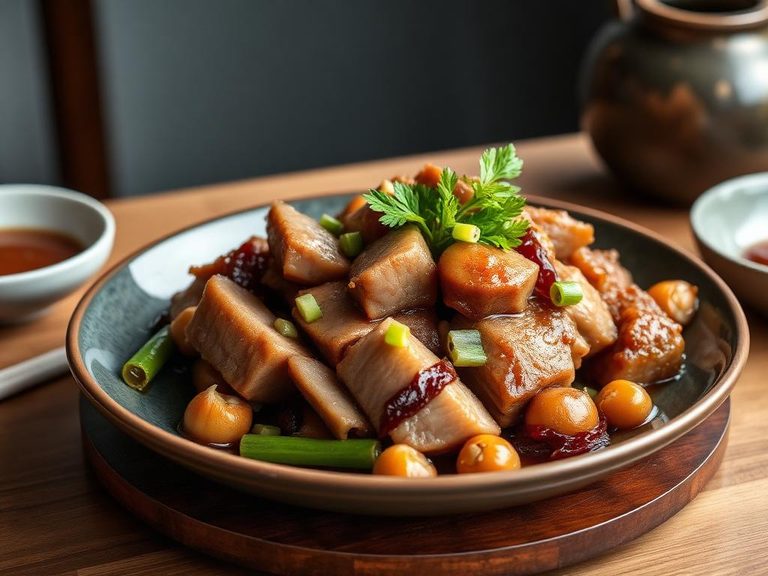
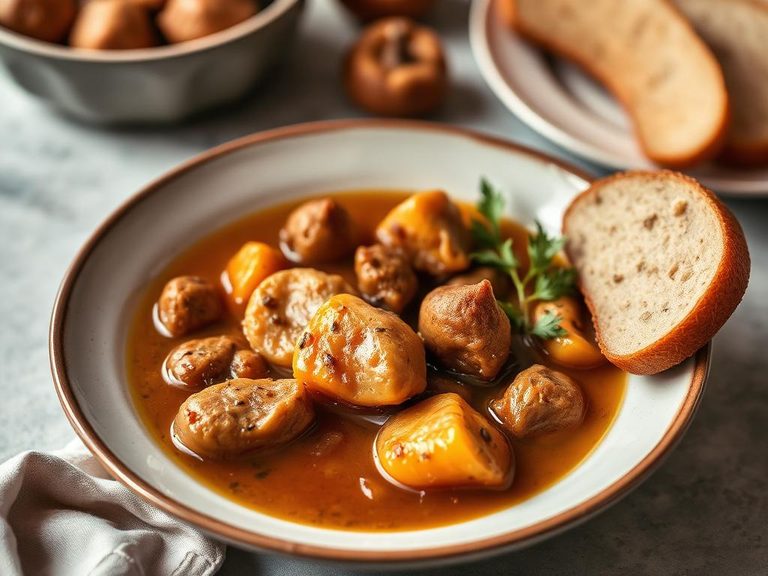
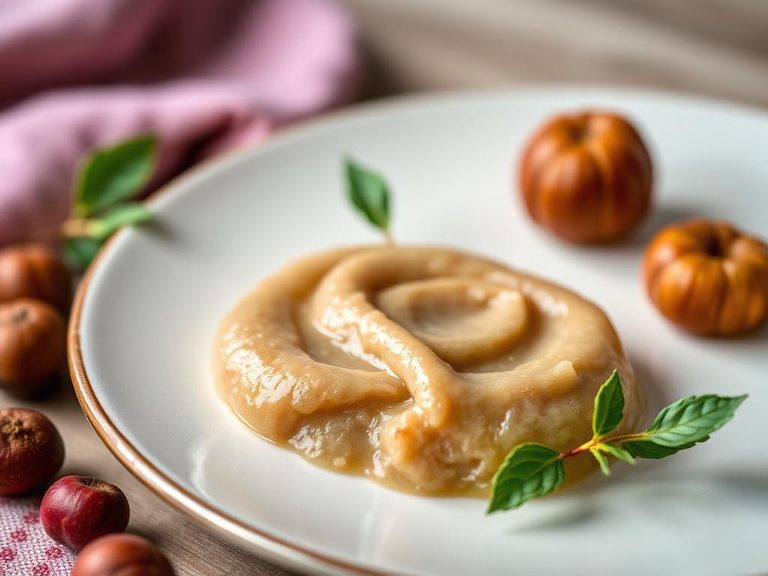
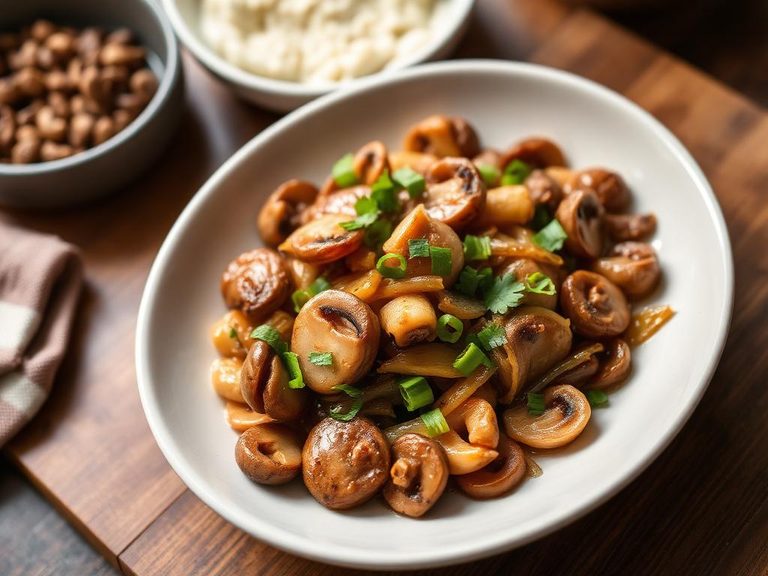
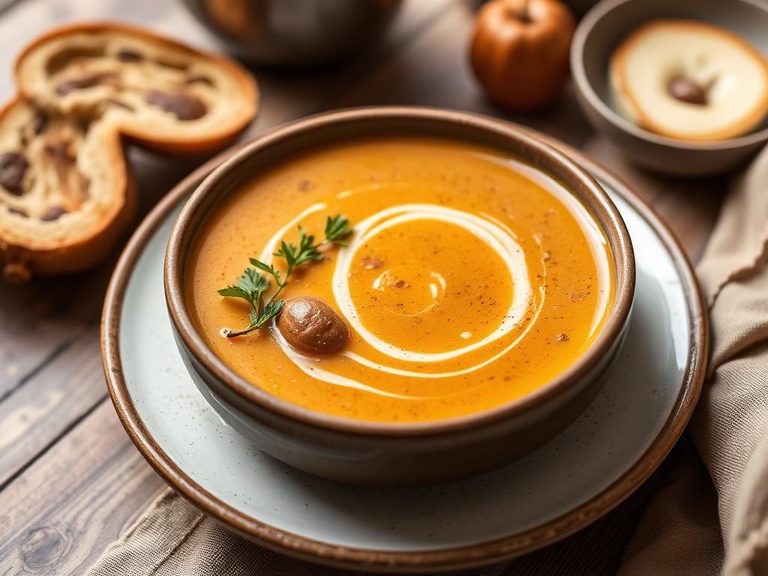
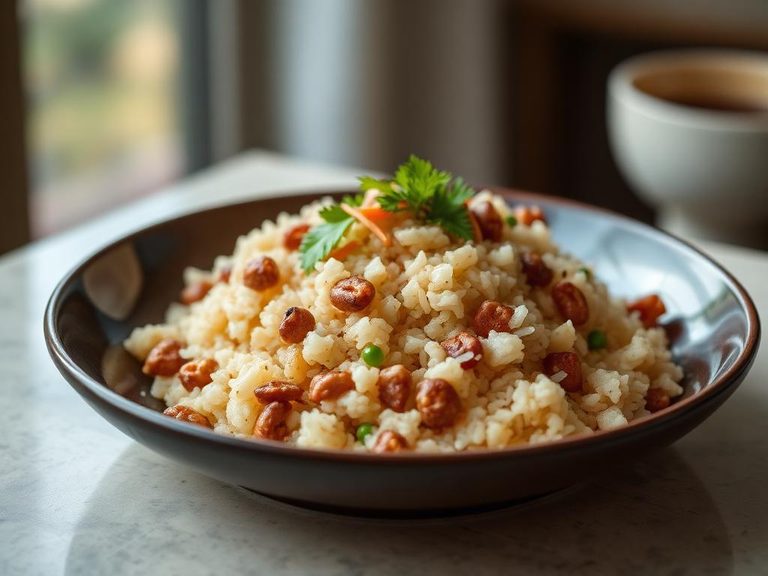
🍽️ Popular dishes
🌍 Where it's eaten
💡 Did you know?
Unlike most nuts, which are high in fat, Chinese chestnuts are over 80% carbohydrate, making them more nutritionally similar to a potato than an almond.
Full nutrition (USDA data · scales with serving)
| Water | 8.9 g |
| Energy | 363 kcal |
| Energy | 1519 kj |
| Protein | 6.8 g |
| Total lipid (fat) | 1.8 g |
| Ash | 2.7 g |
| Carbohydrate, by difference | 79.8 g |
| Calcium, Ca | 29.0 mg |
| Iron, Fe | 2.3 mg |
| Magnesium, Mg | 137 mg |
| Phosphorus, P | 155 mg |
| Potassium, K | 726 mg |
| Sodium, Na | 5.0 mg |
| Zinc, Zn | 1.4 mg |
| Copper, Cu | 0.59 mg |
| Manganese, Mn | 2.6 mg |
| Vitamin C, total ascorbic acid | 58.5 mg |
| Thiamin | 0.26 mg |
| Riboflavin | 0.29 mg |
| Niacin | 1.3 mg |
| Pantothenic acid | 0.90 mg |
| Vitamin B-6 | 0.67 mg |
| Folate, total | 110 ug |
| Folic acid | 0.00 ug |
| Folate, food | 110 ug |
| Folate, DFE | 110 ug |
| Vitamin B-12 | 0.00 ug |
| Vitamin A, RAE | 16.0 ug |
| Retinol | 0.00 ug |
| Vitamin A, IU | 328 iu |
| Vitamin D (D2 + D3), International Units | 0.00 iu |
| Vitamin D (D2 + D3) | 0.00 ug |
Fat & fatty acid profile (per 100g)
| Fatty acids, total saturated | 0.27 g |
| SFA 16:0 | 0.25 g |
| SFA 18:0 | 0.02 g |
| Fatty acids, total monounsaturated | 0.94 g |
| MUFA 16:1 | 0.01 g |
| MUFA 18:1 | 0.91 g |
| MUFA 20:1 | 0.02 g |
| Fatty acids, total polyunsaturated | 0.47 g |
| PUFA 18:2 | 0.42 g |
| PUFA 18:3 | 0.04 g |
| Cholesterol | 0.00 mg |
Amino acid profile (per 100g)
| Tryptophan | 0.08 g |
| Threonine | 0.27 g |
| Isoleucine | 0.26 g |
| Leucine | 0.42 g |
| Lysine | 0.37 g |
| Methionine | 0.17 g |
| Cystine | 0.18 g |
| Phenylalanine | 0.31 g |
| Tyrosine | 0.20 g |
| Valine | 0.36 g |
| Arginine | 0.70 g |
| Histidine | 0.20 g |
| Alanine | 0.32 g |
| Aspartic acid | 1.4 g |
| Glutamic acid | 0.87 g |
| Glycine | 0.30 g |
| Proline | 0.26 g |
| Serine | 0.30 g |
FAQ
What is the difference between Chinese chestnuts and European chestnuts?
Chinese chestnuts (Castanea mollissima) are generally smaller, sweeter, and have a more rounded shape compared to the larger, flatter European chestnuts (Castanea sativa). They are also more resistant to blight.
How do I rehydrate dried Chinese chestnuts?
Soak them in warm water for 2-4 hours, or overnight in cold water, until they are plump and slightly softened. This reduces cooking time and improves their texture in dishes.
Can I eat dried Chinese chestnuts raw?
While they are not toxic, dried Chinese chestnuts are very hard and difficult to chew raw. They are best enjoyed after being rehydrated and cooked, which brings out their full flavor and makes them digestible.
Nutrient density (calculated · NRF9.3)
Nutrient Rich Foods index: beneficial nutrients (protein, fiber, vitamins, minerals) minus saturated fat, added sugar & sodium, per 100 kcal.
NRF9.3 index — Fulgoni, Keast & Drewnowski, 2009. Computed from USDA nutrients.
Weight-loss friendliness (composite index)
Energy density 3.63 kcal/g · 8% calories from protein · 0.0 g fiber · 0.0 g sugar per 100 g.
Composite of energy density (Rolls et al., 1999), protein & fiber satiety, minus sugar. A calculated heuristic — ranks satiety-per-calorie, not a clinical measure.
Dietary load (calculated from USDA values)
Potential renal acid load. Positive = acid-forming, negative = alkaline-forming.
Sodium-to-potassium ratio: 0.01 (lower is better — aim for ≤ 1)
Sodium:potassium per WHO potassium guidance. Computed from USDA nutrients.