

Nutritional powder mix, whey based, NFS
Common food

Photo: Wikipedia
This is a highly concentrated, dry nutritional supplement powder, primarily derived from whey protein, designed to be mixed with water, milk, or other liquids. It has a fine, chalky texture that dissolves into a smooth, creamy shake, with flavors ranging from rich chocolate to vanilla. Its standout feature is its exceptional protein density, packing nearly 80 grams of protein per 100 grams of powder with minimal carbohydrates and fat.
Calorie split: 89% protein · 7% carbs · 4% fat
↓ Full nutrition💚 Why it's loved
Fitness enthusiasts and busy professionals love it for its unparalleled convenience in meeting high-protein goals, often enjoying the classic, indulgent flavors like chocolate or vanilla as a satisfying treat.
⚠️ Watch-outs & how to enjoy it better
Some individuals may experience digestive discomfort like bloating or gas due to the high whey protein concentration or lactose content. Those with milk allergies or severe lactose intolerance should avoid it or choose a whey isolate version. To mitigate digestive issues, start with a smaller portion, ensure thorough mixing, and consider taking it with a meal rather than on an empty stomach.
Key benefits
- Excellent source of complete, high-quality protein for muscle repair and growth.
- Very low in carbohydrates and sugar, suitable for low-carb or ketogenic diets.
- High protein content promotes satiety, aiding in appetite control.
- Convenient and portable way to boost daily protein intake.
- Typically rich in branched-chain amino acids (BCAAs) like leucine.
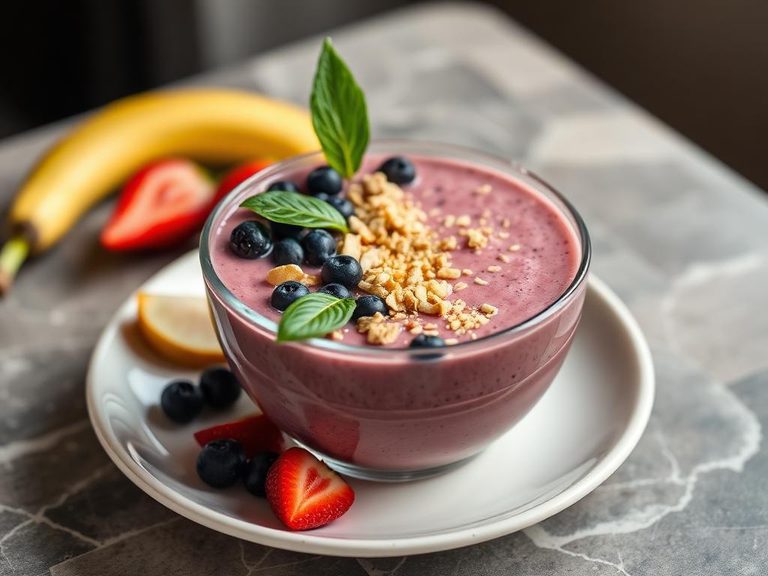
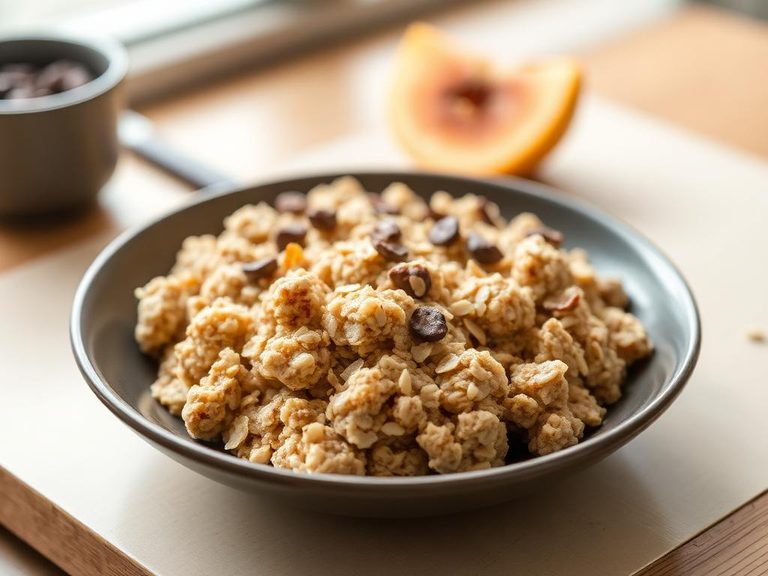
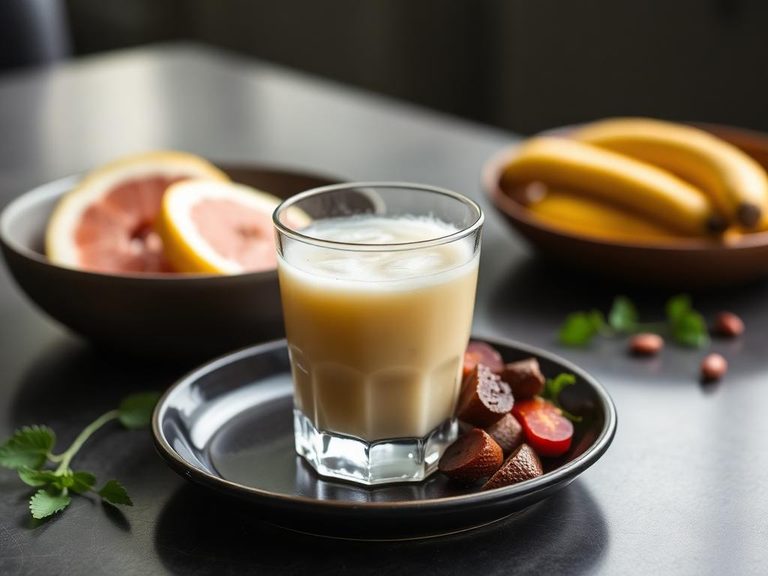
🍽️ Popular dishes


🌍 Where it's eaten
💡 Did you know?
Whey, the primary ingredient, was once considered a waste byproduct of cheese-making until its exceptional nutritional profile was scientifically recognized in the late 20th century.
Full nutrition (USDA data · scales with serving)
| Water | 3.4 g |
| Energy | 352 kcal |
| Protein | 78.1 g |
| Total lipid (fat) | 1.6 g |
| Carbohydrate, by difference | 6.3 g |
| Fiber, total dietary | 3.1 g |
| Total Sugars | 0.00 g |
| Calcium, Ca | 469 mg |
| Iron, Fe | 1.1 mg |
| Magnesium, Mg | 195 mg |
| Phosphorus, P | 1321 mg |
| Potassium, K | 500 mg |
| Sodium, Na | 156 mg |
| Zinc, Zn | 6.2 mg |
| Copper, Cu | 0.05 mg |
| Selenium, Se | 26.7 ug |
| Vitamin C, total ascorbic acid | 0.00 mg |
| Thiamin | 0.61 mg |
| Riboflavin | 2.0 mg |
| Niacin | 1.1 mg |
| Vitamin B-6 | 0.61 mg |
| Folate, total | 33.0 ug |
| Folic acid | 0.00 ug |
| Folate, food | 33.0 ug |
| Folate, DFE | 33.0 ug |
| Choline, total | 224 mg |
| Vitamin B-12 | 2.5 ug |
| Vitamin B-12, added | 0.00 ug |
| Vitamin A, RAE | 0.00 ug |
| Retinol | 0.00 ug |
| Carotene, beta | 0.00 ug |
| Carotene, alpha | 0.00 ug |
| Cryptoxanthin, beta | 0.00 ug |
| Lycopene | 0.00 ug |
| Lutein + zeaxanthin | 0.00 ug |
| Vitamin E (alpha-tocopherol) | 0.00 mg |
| Vitamin E, added | 0.00 mg |
| Vitamin D (D2 + D3) | 0.00 ug |
| Vitamin K (phylloquinone) | 0.00 ug |
| Alcohol, ethyl | 0.00 g |
| Caffeine | 0.00 mg |
| Theobromine | 0.00 mg |
Fat & fatty acid profile (per 100g)
| Fatty acids, total saturated | 0.78 g |
| SFA 4:0 | 0.04 g |
| SFA 6:0 | 0.01 g |
| SFA 8:0 | 0.01 g |
| SFA 10:0 | 0.02 g |
| SFA 12:0 | 0.01 g |
| SFA 14:0 | 0.07 g |
| SFA 16:0 | 0.43 g |
| SFA 18:0 | 0.14 g |
| Fatty acids, total monounsaturated | 0.16 g |
| MUFA 16:1 | 0.02 g |
| MUFA 18:1 | 0.14 g |
| MUFA 20:1 | 0.00 g |
| MUFA 22:1 | 0.00 g |
| Fatty acids, total polyunsaturated | 0.30 g |
| PUFA 18:2 | 0.26 g |
| PUFA 18:3 | 0.03 g |
| PUFA 18:4 | 0.00 g |
| PUFA 20:4 | 0.00 g |
| PUFA 20:5 n-3 (EPA) | 0.00 g |
| PUFA 22:5 n-3 (DPA) | 0.00 g |
| PUFA 22:6 n-3 (DHA) | 0.00 g |
| Cholesterol | 16.0 mg |
FAQ
What's the difference between whey protein concentrate and isolate in this powder?
Concentrate typically contains 70-80% protein with some lactose and fat, offering a creamier texture. Isolate is processed to be 90%+ protein, with most lactose and fat removed, making it better for lactose-sensitive individuals but often with a thinner consistency.
Can I use this powder in cooking or baking?
Yes, it's versatile. Add it to pancake batter, oatmeal, yogurt, or homemade energy bars to boost protein content. Be aware that high heat can denature some proteins, potentially affecting texture.
How much should I consume per day?
This depends on your total dietary protein needs, activity level, and goals. A common guideline is 1.6-2.2 grams of protein per kilogram of body weight for active individuals. Use the powder to supplement, not replace, whole food protein sources.
Nutrient density (calculated · NRF9.3)
Nutrient Rich Foods index: beneficial nutrients (protein, fiber, vitamins, minerals) minus saturated fat, added sugar & sodium, per 100 kcal.
NRF9.3 index — Fulgoni, Keast & Drewnowski, 2009. Computed from USDA nutrients.
Weight-loss friendliness (composite index)
Energy density 3.52 kcal/g · 89% calories from protein · 3.1 g fiber · 0.0 g sugar per 100 g.
Composite of energy density (Rolls et al., 1999), protein & fiber satiety, minus sugar. A calculated heuristic — ranks satiety-per-calorie, not a clinical measure.
Dietary load (calculated from USDA values)
Potential renal acid load. Positive = acid-forming, negative = alkaline-forming.
Sodium-to-potassium ratio: 0.31 (lower is better — aim for ≤ 1)
Sodium:potassium per WHO potassium guidance. Computed from USDA nutrients.