

Nutritional powder mix (EAS Whey Protein Powder)
Common food

Photo: Wikipedia
EAS Whey Protein Powder is a finely milled, highly concentrated protein supplement derived from whey, the liquid byproduct of cheese production. It typically has a smooth, non-gritty texture and a mild, slightly milky or vanilla-like taste that mixes easily into liquids. Nutritionally, it's a powerhouse, delivering a massive 66.67 grams of protein per 100g with minimal carbohydrates and fat.
Calorie split: 69% protein · 19% carbs · 12% fat
↓ Full nutrition💚 Why it's loved
Fitness enthusiasts and athletes love it for its potent protein content and clean nutritional profile, which supports recovery and performance. Its neutral flavor makes it incredibly versatile as a protein boost in everything from post-workout shakes to oatmeal and pancakes.
⚠️ Watch-outs & how to enjoy it better
Some individuals may experience digestive discomfort like bloating or gas due to lactose content, as whey is a dairy derivative. To mitigate this, start with a smaller portion, choose a whey isolate (which has less lactose), or consume it with a source of fat or fiber to slow digestion. Those with a milk allergy should avoid it entirely.
Key benefits
- Excellent source of complete, high-quality protein for muscle repair and growth.
- Low in fat and sugar, making it suitable for lean muscle-building diets.
- Highly soluble and easy to mix into shakes, smoothies, or baking.
- Provides essential amino acids, including a high concentration of BCAAs.
🍽️ Popular dishes

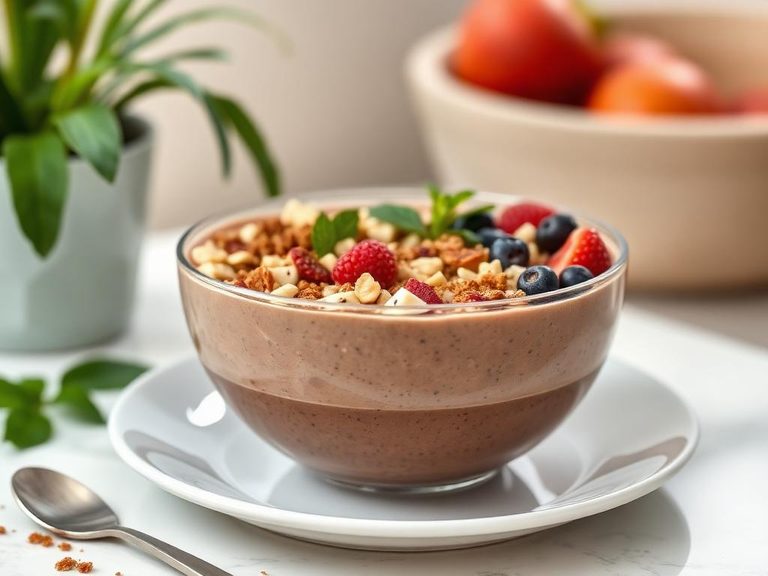
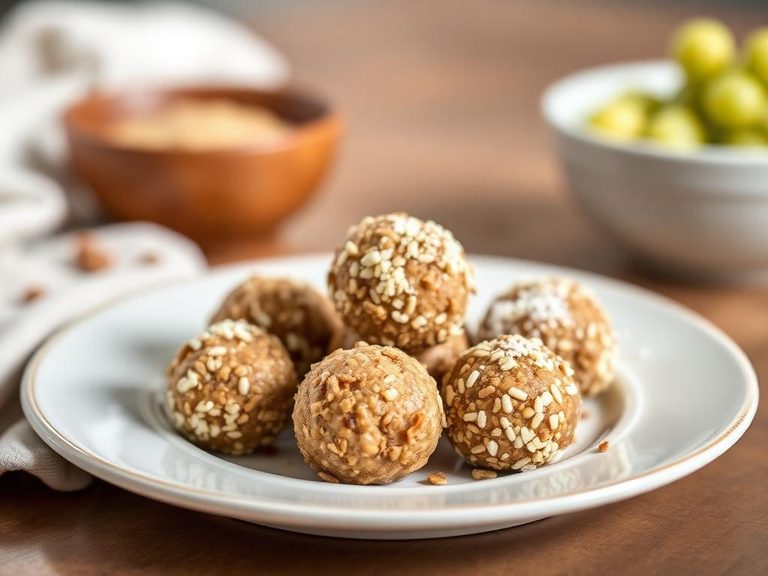

🌍 Where it's eaten
💡 Did you know?
Whey protein was once considered a waste byproduct of cheese making until its exceptional nutritional value and muscle-building properties were scientifically recognized in the late 20th century, transforming it into a global supplement industry staple.
Full nutrition (USDA data · scales with serving)
| Water | 6.6 g |
| Energy | 385 kcal |
| Protein | 66.7 g |
| Total lipid (fat) | 5.1 g |
| Carbohydrate, by difference | 17.9 g |
| Fiber, total dietary | 0.00 g |
| Total Sugars | 5.1 g |
| Calcium, Ca | 256 mg |
| Iron, Fe | 0.92 mg |
| Magnesium, Mg | 181 mg |
| Phosphorus, P | 643 mg |
| Potassium, K | 564 mg |
| Sodium, Na | 385 mg |
| Zinc, Zn | 7.1 mg |
| Copper, Cu | 1.0 mg |
| Selenium, Se | 24.8 ug |
| Vitamin C, total ascorbic acid | 0.80 mg |
| Thiamin | 0.71 mg |
| Riboflavin | 0.86 mg |
| Niacin | 10.0 mg |
| Vitamin B-6 | 1.0 mg |
| Folate, total | 200 ug |
| Folic acid | 200 ug |
| Folate, food | 0.00 ug |
| Folate, DFE | 340 ug |
| Choline, total | 81.6 mg |
| Vitamin B-12 | 2.3 ug |
| Vitamin B-12, added | 0.00 ug |
| Vitamin A, RAE | 15.0 ug |
| Retinol | 15.0 ug |
| Carotene, beta | 0.00 ug |
| Carotene, alpha | 0.00 ug |
| Cryptoxanthin, beta | 0.00 ug |
| Lycopene | 0.00 ug |
| Lutein + zeaxanthin | 0.00 ug |
| Vitamin E (alpha-tocopherol) | 0.38 mg |
| Vitamin E, added | 0.00 mg |
| Vitamin D (D2 + D3) | 0.00 ug |
| Vitamin K (phylloquinone) | 0.50 ug |
| Alcohol, ethyl | 0.00 g |
| Caffeine | 0.00 mg |
| Theobromine | 0.00 mg |
Fat & fatty acid profile (per 100g)
| Fatty acids, total saturated | 2.6 g |
| SFA 4:0 | 0.06 g |
| SFA 6:0 | 0.02 g |
| SFA 8:0 | 0.01 g |
| SFA 10:0 | 0.02 g |
| SFA 12:0 | 0.01 g |
| SFA 14:0 | 0.12 g |
| SFA 16:0 | 1.8 g |
| SFA 18:0 | 0.50 g |
| Fatty acids, total monounsaturated | 0.28 g |
| MUFA 16:1 | 0.02 g |
| MUFA 18:1 | 0.26 g |
| MUFA 20:1 | 0.00 g |
| MUFA 22:1 | 0.00 g |
| Fatty acids, total polyunsaturated | 0.93 g |
| PUFA 18:2 | 0.82 g |
| PUFA 18:3 | 0.10 g |
| PUFA 18:4 | 0.00 g |
| PUFA 20:4 | 0.00 g |
| PUFA 20:5 n-3 (EPA) | 0.00 g |
| PUFA 22:5 n-3 (DPA) | 0.00 g |
| PUFA 22:6 n-3 (DHA) | 0.00 g |
| Cholesterol | 205 mg |
FAQ
Is this the same as drinking a glass of milk?
No. While both come from milk, whey protein powder is a highly concentrated extract. A 30g scoop provides about 20g of protein, equivalent to roughly 3 cups of milk, but with far less lactose, fat, and calories.
Can I bake with it?
Yes, but with caution. It can replace some flour in recipes like pancakes or muffins to boost protein, but using too much can make baked goods dry and rubbery. Start by substituting 1/4 to 1/3 of the flour.
Will this make me bulky?
No. Protein powder is a nutrient, not a magic muscle-builder. It supports muscle repair and growth when combined with strength training. Bulking requires a sustained calorie surplus and specific training regimen.
Nutrient density (calculated · NRF9.3)
Nutrient Rich Foods index: beneficial nutrients (protein, fiber, vitamins, minerals) minus saturated fat, added sugar & sodium, per 100 kcal.
NRF9.3 index — Fulgoni, Keast & Drewnowski, 2009. Computed from USDA nutrients.
Weight-loss friendliness (composite index)
Energy density 3.85 kcal/g · 69% calories from protein · 0.0 g fiber · 5.1 g sugar per 100 g.
Composite of energy density (Rolls et al., 1999), protein & fiber satiety, minus sugar. A calculated heuristic — ranks satiety-per-calorie, not a clinical measure.
Dietary load (calculated from USDA values)
Potential renal acid load. Positive = acid-forming, negative = alkaline-forming.
Sodium-to-potassium ratio: 0.68 (lower is better — aim for ≤ 1)
Sodium:potassium per WHO potassium guidance. Computed from USDA nutrients.