

Nutritional powder mix (EAS Soy Protein Powder)
Common food

Photo: Wikipedia
EAS Soy Protein Powder is a fine, neutral-tasting powder designed for easy mixing into shakes or baked goods. It delivers a potent 47.62g of protein per 100g, making it a go-to for muscle recovery and protein supplementation. Its high carbohydrate content (43.94g) comes primarily from added sugars (40.48g), positioning it as a mass-gainer or energy-boosting supplement.
Calorie split: 48% protein · 44% carbs · 8% fat
↓ Full nutrition💚 Why it's loved
People love it for its smooth, mixable texture that blends seamlessly into smoothies without a gritty feel. It's a staple in fitness culture for its role in post-workout recovery and its ability to turn simple recipes into protein-packed meals.
⚠️ Watch-outs & how to enjoy it better
The very high sugar content (over 40g per 100g) can cause rapid blood-sugar spikes, making it unsuitable for diabetics or those managing insulin resistance. As a soy product, it's a common allergen and contains phytoestrogens, which some individuals may wish to avoid. To counteract sugar spikes, mix a smaller portion (e.g., 30g) with a source of healthy fat (like peanut butter) and fiber (like oats or chia seeds) to slow absorption.
Key benefits
- Excellent source of complete plant-based protein for muscle synthesis
- Provides a quick energy boost from its high carbohydrate content
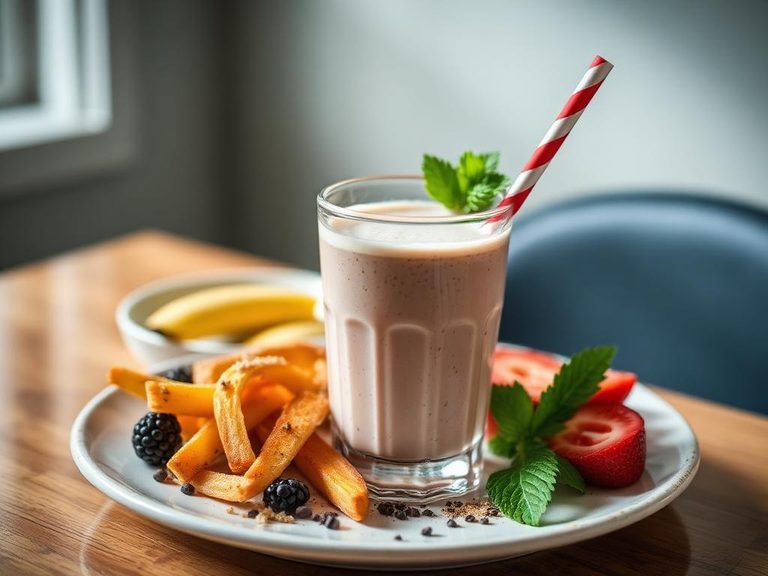
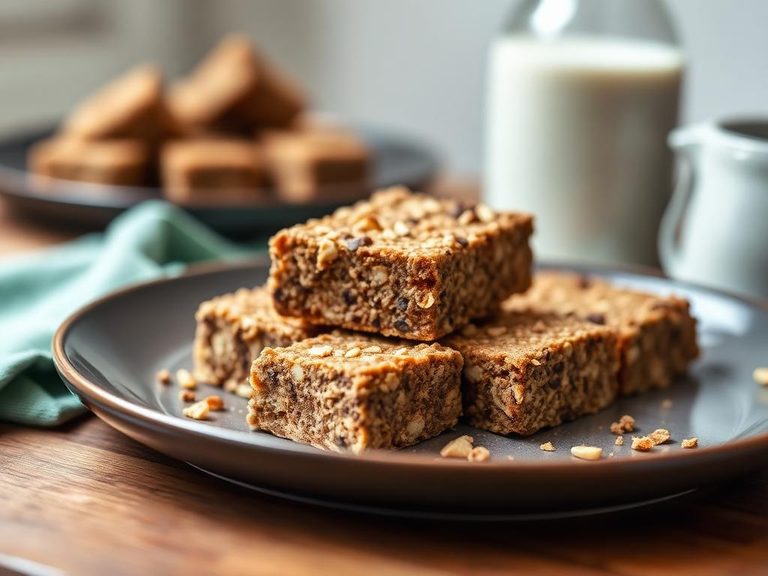
- Versatile base for homemade protein bars, pancakes, and shakes
- Lactose-free protein option for those with dairy sensitivities
- Convenient way to increase daily protein intake without cooking
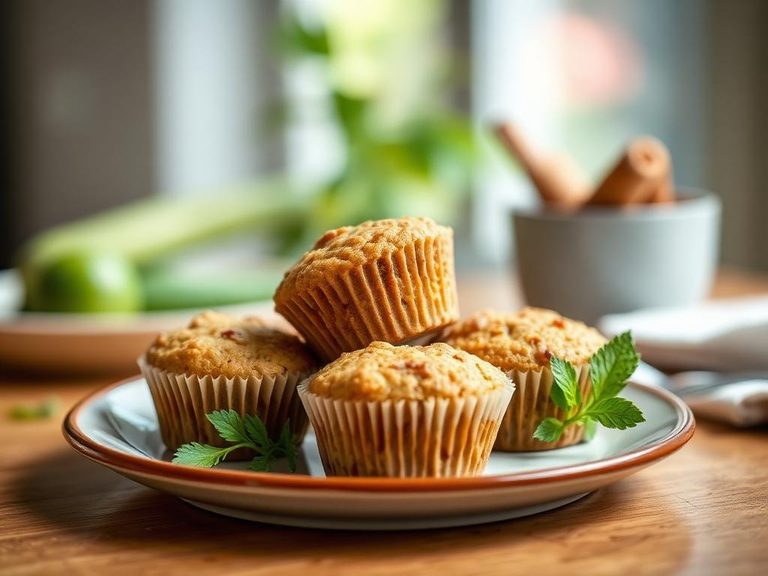
🍽️ Popular dishes

🌍 Where it's eaten
💡 Did you know?
Soy protein is one of the few plant-based proteins considered 'complete,' meaning it contains all nine essential amino acids the human body cannot produce on its own.
Full nutrition (USDA data · scales with serving)
| Water | 2.8 g |
| Energy | 405 kcal |
| Protein | 47.6 g |
| Total lipid (fat) | 3.6 g |
| Carbohydrate, by difference | 43.9 g |
| Fiber, total dietary | 0.00 g |
| Total Sugars | 40.5 g |
| Calcium, Ca | 95.0 mg |
| Iron, Fe | 6.4 mg |
| Magnesium, Mg | 22.0 mg |
| Phosphorus, P | 441 mg |
| Potassium, K | 714 mg |
| Sodium, Na | 452 mg |
| Zinc, Zn | 2.3 mg |
| Copper, Cu | 1.0 mg |
| Selenium, Se | 0.70 ug |
| Vitamin C, total ascorbic acid | 0.00 mg |
| Thiamin | 0.10 mg |
| Riboflavin | 0.06 mg |
| Niacin | 0.82 mg |
| Vitamin B-6 | 0.06 mg |
| Folate, total | 100 ug |
| Folic acid | 0.00 ug |
| Folate, food | 100 ug |
| Folate, DFE | 100 ug |
| Choline, total | 114 mg |
| Vitamin B-12 | 0.00 ug |
| Vitamin B-12, added | 0.00 ug |
| Vitamin A, RAE | 0.00 ug |
| Retinol | 0.00 ug |
| Carotene, beta | 0.00 ug |
| Carotene, alpha | 0.00 ug |
| Cryptoxanthin, beta | 0.00 ug |
| Lycopene | 0.00 ug |
| Lutein + zeaxanthin | 0.00 ug |
| Vitamin E (alpha-tocopherol) | 0.12 mg |
| Vitamin E, added | 0.00 mg |
| Vitamin D (D2 + D3) | 0.00 ug |
| Vitamin K (phylloquinone) | 2.7 ug |
| Alcohol, ethyl | 0.00 g |
| Caffeine | 0.00 mg |
| Theobromine | 0.00 mg |
Fat & fatty acid profile (per 100g)
| Fatty acids, total saturated | 0.00 g |
| SFA 4:0 | 0.00 g |
| SFA 6:0 | 0.00 g |
| SFA 8:0 | 0.00 g |
| SFA 10:0 | 0.00 g |
| SFA 12:0 | 0.00 g |
| SFA 14:0 | 0.00 g |
| SFA 16:0 | 0.00 g |
| SFA 18:0 | 0.00 g |
| Fatty acids, total monounsaturated | 0.64 g |
| MUFA 16:1 | 0.01 g |
| MUFA 18:1 | 0.63 g |
| MUFA 20:1 | 0.00 g |
| MUFA 22:1 | 0.00 g |
| Fatty acids, total polyunsaturated | 2.0 g |
| PUFA 18:2 | 1.7 g |
| PUFA 18:3 | 0.23 g |
| PUFA 18:4 | 0.00 g |
| PUFA 20:4 | 0.00 g |
| PUFA 20:5 n-3 (EPA) | 0.00 g |
| PUFA 22:5 n-3 (DPA) | 0.00 g |
| PUFA 22:6 n-3 (DHA) | 0.00 g |
| Cholesterol | 0.00 mg |
FAQ
Is this the same as soy flour?
No. This is a processed protein isolate or concentrate designed for supplementation, with most carbohydrates and fats removed. Soy flour is the whole ground bean, containing more fiber, fat, and a different protein concentration.
Can I bake with it?
Yes, but it will significantly alter the texture and moisture of baked goods, often making them denser. It's best used in recipes specifically designed for protein powder, like pancakes or muffins, rather than as a direct flour substitute.
Why is the sugar content so high?
The sugar is typically added to improve the taste and mixability of the powder, as unflavored soy protein can be quite bitter. This makes it more palatable but also increases the carbohydrate load.
Nutrient density (calculated · NRF9.3)
Nutrient Rich Foods index: beneficial nutrients (protein, fiber, vitamins, minerals) minus saturated fat, added sugar & sodium, per 100 kcal.
NRF9.3 index — Fulgoni, Keast & Drewnowski, 2009. Computed from USDA nutrients.
Weight-loss friendliness (composite index)
Energy density 4.05 kcal/g · 47% calories from protein · 0.0 g fiber · 40.5 g sugar per 100 g.
Composite of energy density (Rolls et al., 1999), protein & fiber satiety, minus sugar. A calculated heuristic — ranks satiety-per-calorie, not a clinical measure.
Dietary load (calculated from USDA values)
Potential renal acid load. Positive = acid-forming, negative = alkaline-forming.
Sodium-to-potassium ratio: 0.63 (lower is better — aim for ≤ 1)
Sodium:potassium per WHO potassium guidance. Computed from USDA nutrients.