

Lentils, sprouted, raw
Whole food · Vegetables and Vegetable Products

Photo: Wikipedia
Sprouted raw lentils are the tender, germinated seeds of the lentil plant, eaten before they develop leaves. They have a fresh, crisp, slightly nutty flavor and a crunchy texture, offering a concentrated boost of plant-based protein and complex carbohydrates.
Calorie split: 28% protein · 68% carbs · 4% fat
↓ Full nutrition💚 Why it's loved
People love them for their fresh, crunchy texture and mild, earthy taste that adds a nutritious punch to salads and wraps. They are also a staple in many cultures for their quick preparation and role in traditional, healthy cuisine.
⚠️ Watch-outs & how to enjoy it better
As a legume, they contain antinutrients like phytic acid which can affect mineral absorption, and their high carbohydrate content may impact blood sugar for some. To counteract this, pair them with a source of fat or protein (like nuts or yogurt) and consume in moderate portions; thorough rinsing after sprouting helps reduce antinutrients.
Key benefits
- Excellent source of plant-based protein (nearly 9g per 100g).
- Rich in complex carbohydrates for sustained energy.
- Low in fat and contains no cholesterol.
- Sprouting can increase the bioavailability of certain nutrients.
- Provides a good amount of folate and iron.
🍽️ Popular dishes
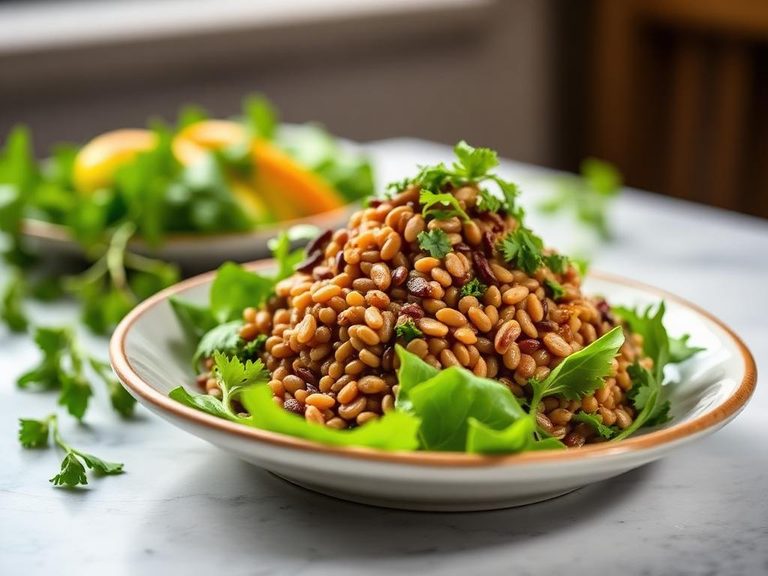
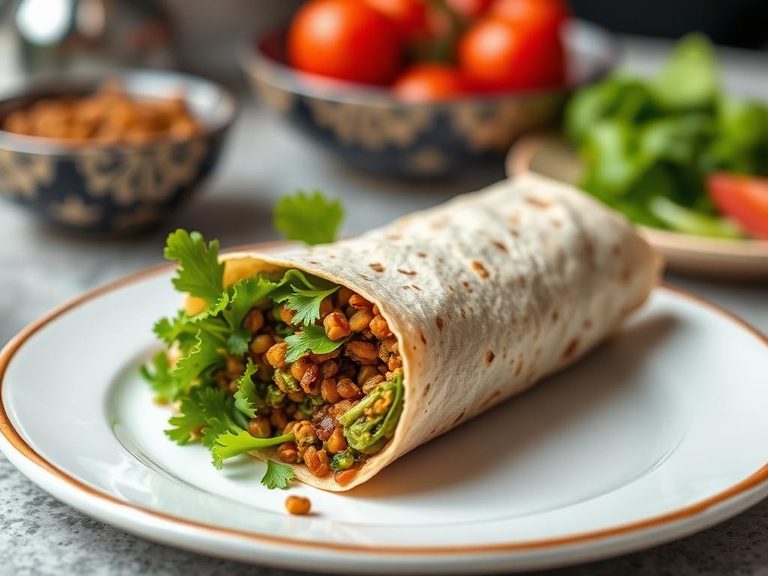
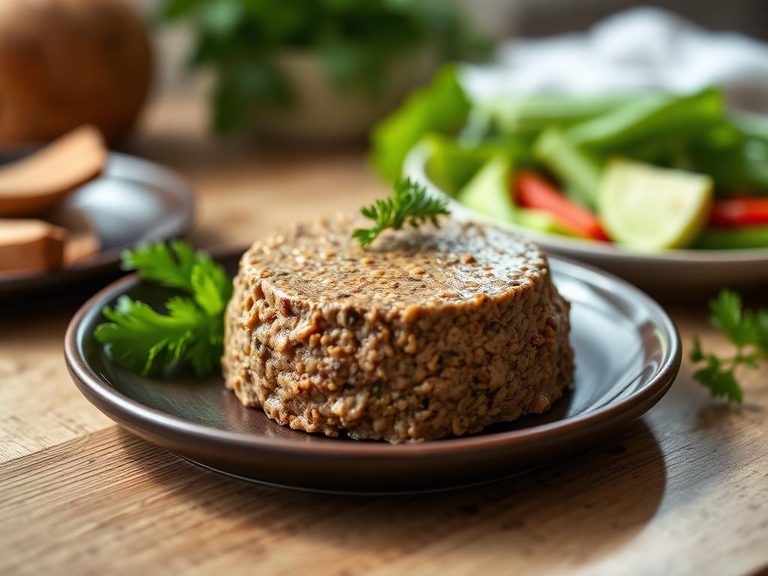
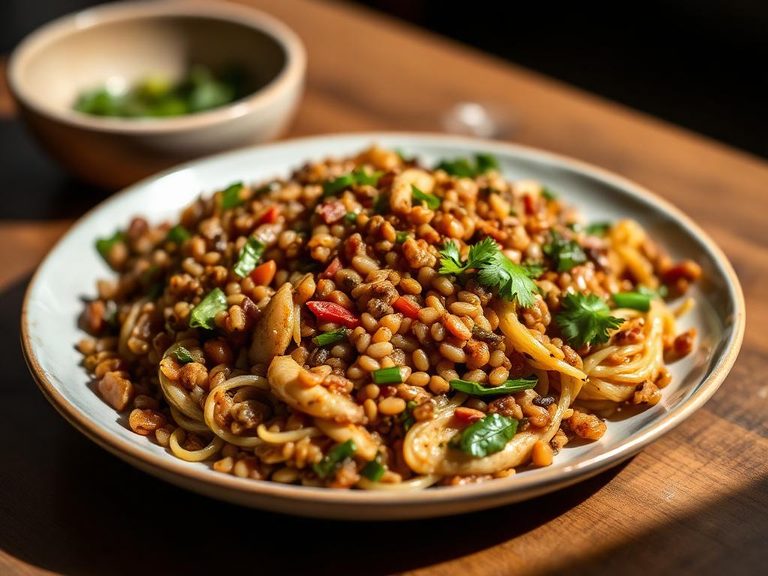
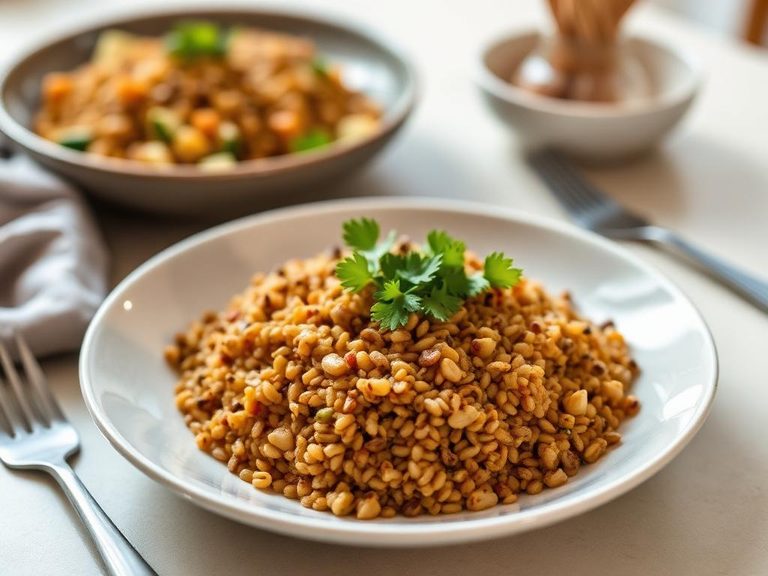
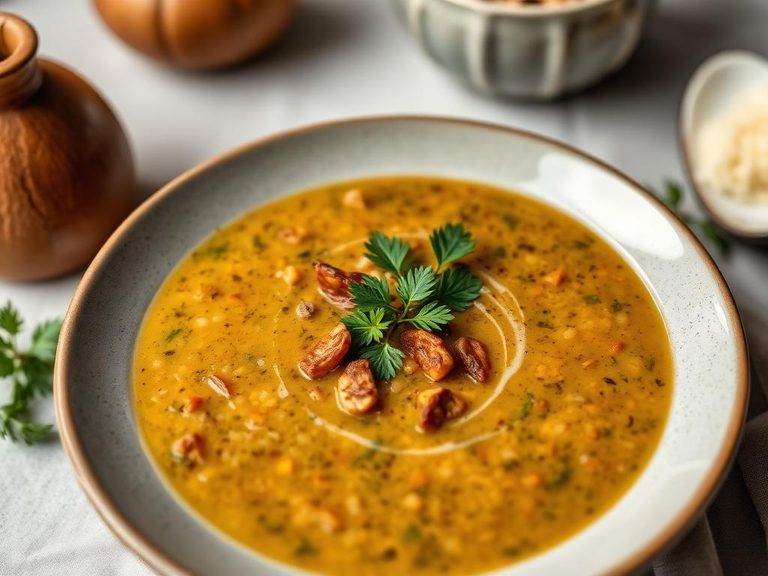
🌍 Where it's eaten
💡 Did you know?
The process of sprouting can increase the vitamin C content in lentils, which is virtually absent in the dried seed.
Full nutrition (USDA data · scales with serving)
| Water | 67.3 g |
| Energy | 106 kcal |
| Energy | 444 kj |
| Protein | 9.0 g |
| Total lipid (fat) | 0.55 g |
| Ash | 1.0 g |
| Carbohydrate, by difference | 22.1 g |
| Calcium, Ca | 25.0 mg |
| Iron, Fe | 3.2 mg |
| Magnesium, Mg | 37.0 mg |
| Phosphorus, P | 173 mg |
| Potassium, K | 322 mg |
| Sodium, Na | 11.0 mg |
| Zinc, Zn | 1.5 mg |
| Copper, Cu | 0.35 mg |
| Manganese, Mn | 0.51 mg |
| Selenium, Se | 0.60 ug |
| Vitamin C, total ascorbic acid | 16.5 mg |
| Thiamin | 0.23 mg |
| Riboflavin | 0.13 mg |
| Niacin | 1.1 mg |
| Pantothenic acid | 0.58 mg |
| Vitamin B-6 | 0.19 mg |
| Folate, total | 100 ug |
| Folic acid | 0.00 ug |
| Folate, food | 100 ug |
| Folate, DFE | 100 ug |
| Vitamin B-12 | 0.00 ug |
| Vitamin A, RAE | 2.0 ug |
| Retinol | 0.00 ug |
| Vitamin A, IU | 45.0 iu |
| Vitamin D (D2 + D3), International Units | 0.00 iu |
| Vitamin D (D2 + D3) | 0.00 ug |
Fat & fatty acid profile (per 100g)
| Fatty acids, total saturated | 0.06 g |
| SFA 16:0 | 0.05 g |
| SFA 18:0 | 0.01 g |
| Fatty acids, total monounsaturated | 0.10 g |
| MUFA 18:1 | 0.10 g |
| Fatty acids, total polyunsaturated | 0.22 g |
| PUFA 18:2 | 0.18 g |
| PUFA 18:3 | 0.04 g |
| Fatty acids, total trans | 0.00 g |
| Cholesterol | 0.00 mg |
Amino acid profile (per 100g)
| Threonine | 0.33 g |
| Isoleucine | 0.33 g |
| Leucine | 0.63 g |
| Lysine | 0.71 g |
| Methionine | 0.10 g |
| Cystine | 0.33 g |
| Phenylalanine | 0.44 g |
| Tyrosine | 0.25 g |
| Valine | 0.40 g |
| Arginine | 0.61 g |
| Histidine | 0.26 g |
| Alanine | 0.36 g |
| Aspartic acid | 1.4 g |
| Glutamic acid | 1.3 g |
| Glycine | 0.32 g |
| Proline | 0.36 g |
| Serine | 0.49 g |
FAQ
Are sprouted raw lentils safe to eat?
Yes, when properly rinsed and from a clean source, they are safe. However, as with any raw sprout, there is a small risk of bacterial contamination, so purchase from reputable suppliers or ensure strict hygiene when sprouting at home.
How do they differ from regular cooked lentils?
Sprouted raw lentils are uncooked, offering a crunchy texture and fresh taste. Cooking softens them, breaks down some antinutrients, and makes them easier to digest for some people, but changes the texture completely.
Can I sprout lentils at home?
Absolutely. Rinse dried lentils, soak overnight, then drain and rinse twice daily in a jar with a mesh lid. In 2-4 days, you'll have fresh sprouts ready to eat.
Nutrient density (calculated · NRF9.3)
Nutrient Rich Foods index: beneficial nutrients (protein, fiber, vitamins, minerals) minus saturated fat, added sugar & sodium, per 100 kcal.
NRF9.3 index — Fulgoni, Keast & Drewnowski, 2009. Computed from USDA nutrients.
Weight-loss friendliness (composite index)
Energy density 1.06 kcal/g · 34% calories from protein · 0.0 g fiber · 0.0 g sugar per 100 g.
Composite of energy density (Rolls et al., 1999), protein & fiber satiety, minus sugar. A calculated heuristic — ranks satiety-per-calorie, not a clinical measure.
Dietary load (calculated from USDA values)
Potential renal acid load. Positive = acid-forming, negative = alkaline-forming.
Sodium-to-potassium ratio: 0.03 (lower is better — aim for ≤ 1)
Sodium:potassium per WHO potassium guidance. Computed from USDA nutrients.